
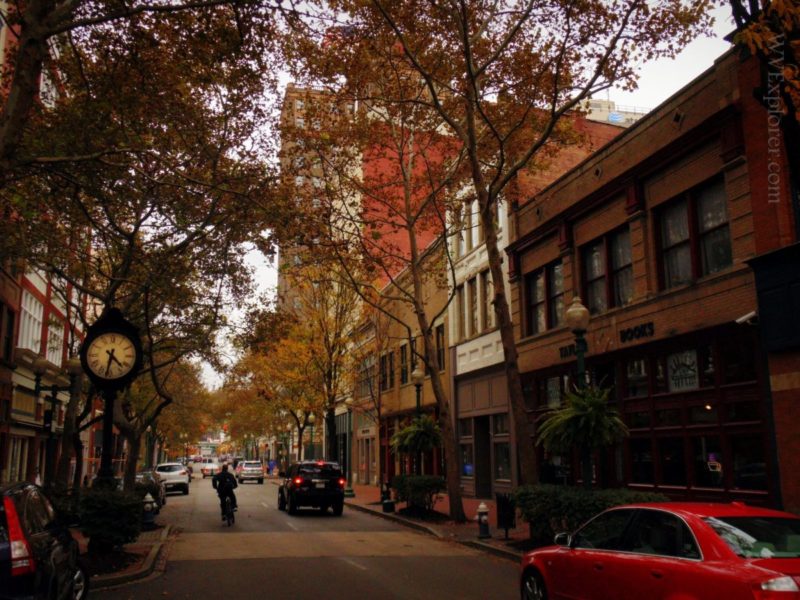
Historic landmarks in West Virginia preserve the state’s rich cultural, architectural, industrial, and political heritage. From frontier forts and Civil War sites to railroad depots, company towns, and grand public buildings, these landmarks provide insight into the people and events that shaped the Mountain State. Many are protected through local, state, or federal preservation programs and serve as important destinations for education and tourism.

The state’s historic landmarks reflect centuries of settlement and development. Early landmarks include frontier-era structures associated with European settlement west of the Appalachian Mountains, while later sites document the growth of transportation, industry, and commerce. Historic churches, courthouses, schools, bridges, and homes can be found throughout West Virginia, illustrating a wide range of architectural styles and historical periods.
Some of the state’s most recognized landmarks are in Harpers Ferry National Historical Park, the site of abolitionist John Brown’s 1859 raid and a strategic location during the American Civil War. Other notable landmarks include Independence Hall, where delegates voted to create the state of West Virginia during the Civil War; West Virginia State Capitol, known for its distinctive gold dome; and Trans-Allegheny Lunatic Asylum, one of the largest hand-cut stone masonry buildings in North America.
Railroad history is represented by landmarks such as Cass Scenic Railroad State Park, where visitors can experience a restored logging railroad and company town. Historic districts in communities such as Lewisburg, Shepherdstown, and Thomas preserve commercial buildings, residences, and streetscapes that reflect the state’s development during the nineteenth and early twentieth centuries.
Industrial landmarks also play a significant role in West Virginia’s history. Coal mining communities, coke ovens, railroad infrastructure, and manufacturing sites document the industries that helped fuel the nation’s growth. Sites such as New River Gorge Bridge and the historic communities of the New River Gorge region illustrate the relationship between engineering, transportation, and resource extraction in Appalachia.
Many historic landmarks in West Virginia are listed on the National Register of Historic Places, the federal government’s official list of properties recognized for their historical significance. Preservation efforts by government agencies, nonprofit organizations, and local communities help maintain these sites for future generations. Through restoration projects, educational programs, and heritage tourism initiatives, historic landmarks continue to connect residents and visitors with the state’s past.
Today, West Virginia’s historic landmarks remain among its most valued cultural resources. They provide tangible links to frontier settlement, statehood, industry, transportation, and community life, helping to preserve the stories and traditions that define the Mountain State.
Select Historic Landmarks in West Virginia
- Adaland
- Alberts Chapel
- Alderson Bridge
- Alfred Beckley Mill
- Apollo Theatre
- Baltimore & Ohio Depot
- Barger Springs
- Beckley Courthouse Square Historic District
- Beckley Exhibition Coal Mine
- Bennett Hospital
- Berkeley Castle
- Big Bend Tunnel
- Blennerhassett Island
- Blue Sulphur Springs Pavilion
- Booker T. Washington High School
- Cain House
- Cameron City Pool
- Camp Caesar
- Campbell Mansion
- Campbellton
- Capon Springs
- Carnegie Public Library
- Carnifex Ferry Battlefield
- Cass Scenic Railroad
- Charleston Municipal Auditorium
- Circleville School
- Colonel Thomas Brown House
- Confederate Cemetery at Lewisburg
- Continental Clay Brick Plant
- Cottrill Opera House
- Daniel Boone Hotel
- E.B. Hawkins House
- Fairmont Masonic Temple
- Ferguson’s Rock
- Fort Scammon
- Fort Van Meter
- Gassaway Depot
- Gibson-Todd House
- Gilmer County Poor Farm Infirmary
- Glen Ferris Inn
- Governor Joseph Johnson House
- Governor Samuel Price House
- Grafton National Cemetery
- Grant County Courthouse
- Greenbrier, The
- Halliehurst
- Halltown Union Sunday School
- Harmony Cemetery
- Harrisville Grade School
- Hatfield Cemeteries
- Henry Clay Furnace
- Holley Hills Estate
- Hydroelectric Power Plant
- Indian Cave Petroglyphs
- Inn at Fowlerstown
- Kanawha Hotel
- Kay Moor No. 1 Coal Mine
- Kenwood
- LaBelle Iron Works
- Lick Run Plantation
- Light Horse Harry Lee Cabin
- Lost River General Store
- Madison National Bank
- Meadow River Lumber Building
- Meldahl House
- Memorial Arch
- Middle Mountain Cabins
- Millers Tavern
- Morgan (William G.) House
- Mount Saint Joseph
- Mud River Covered Bridge
- Mullens National Historic District
- Municipal Building of Bluefield
- New River Gorge Bridge
- Noah Snyder Farm
- Oglebay Mansion Museum
- Ohev Shalom Temple
- Old Clay County Courthouse
- Old Opera House
- Old Ravenswood School
- Old Sweet Springs
- Opequon Golf Club
- Organ Cave
- Page-Vawter House
- Pence Springs Hotel Historic District
- Peter Tarr Furnace
- Point Pleasant Battleground
- Pricketts Fort
- Putnam County Courthouse
- Quaker State Windmill
- Reber Radio Telescope
- Rich Mountain Battlefield
- Robey Theatre
- Ruddell General Store
- Saint Mary’s Orthodox Church
- Sandlick Sportsman’s Club
- Seneca Glass Company Building
- Shepherds Mill
- Smoot Theatre
- South Charleston Mound
- Stewart Hall
- Stewart’s Tavern
- Sutton National Historic District
- Terra Alta Bank
- The Beeches
- The Wells Inn
- Thornburg House
- Tomlinson Mansion
- Virginia Furnace
- Virginian Railway Yard
- War Memorial Building
- Wellsburg Wharf
- West Union Downtown Historic District
- West Virginia State Penitentiary
- Weston State Hospital
- Wheeling Custom House
- Wheeling Suspension Bridge
- Whipple Company Store
- William Post Mansion
- World War Memorial
- Z. D. Ramsdell House
Help us find new historic landmarks
Please let a member of our editorial staff know if you or your organization has recognized a culturally historic landmark that has not been included in our guide. Our editors are working continuously to complete this section.