History / Prehistory

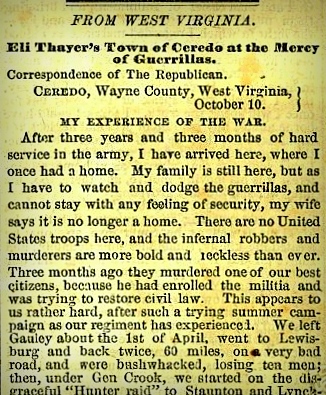
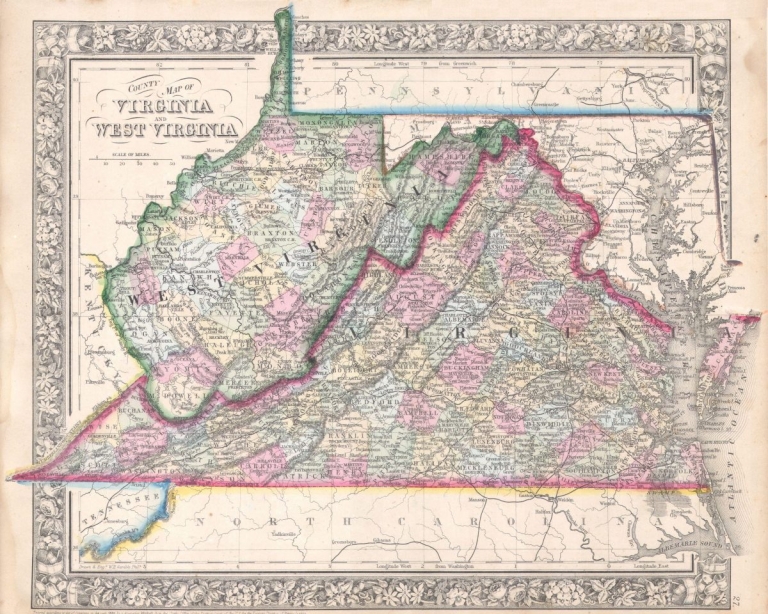
The history and prehistory of West Virginia reveal a fascinating journey from ancient Native American cultures to its role in America’s story. Prehistoric sites, such as the Grave Creek Mound, showcase the region’s mound-building cultures that left behind impressive burial mounds and earthworks. Later, European settlers ventured into the rugged Appalachian Mountains, forging frontier communities and thriving amidst challenging terrain. During the American Civil War, West Virginia famously seceded from Virginia to remain loyal to the Union, becoming the 35th state in 1863. Coal mining played a vital role in shaping West Virginia’s economy and identity, fueling America’s industrial growth and leaving a lasting legacy in the state’s communities and culture. Today, visitors can explore historic towns, Civil War battlefields, and preserved pioneer homesteads that tell the rich, enduring story of West Virginia’s resilient spirit and deep mountain roots.

Correction abbreviation for West Virginia

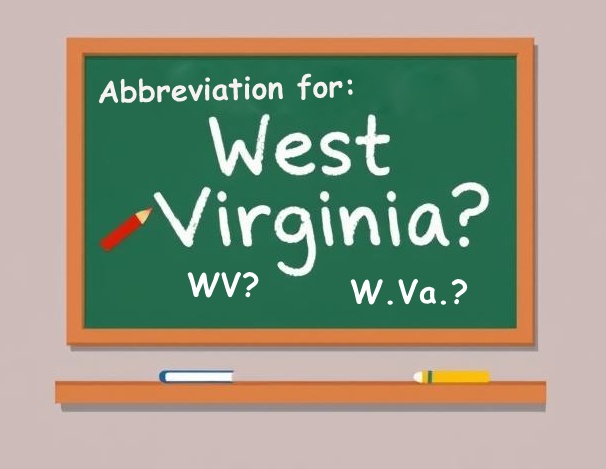
Which is the correct abbreviation for West Virginia?

CHARLESTON, W.Va. — Throughout this publication, you’ll see West Virginia abbreviated in two ways: “WV” and “W.Va.” This is intentional. We follow journalistic guidelines that emphasize clarity, even if it means using different forms depending on context. Which abbreviation for West Virginia is correct? According to official style guides for American English, “W.Va.” remains the … Read more

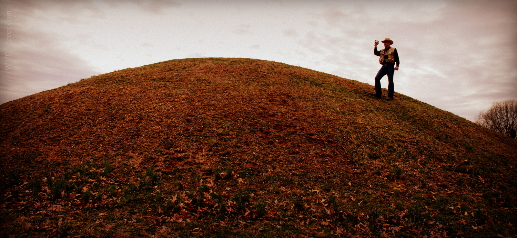
Exploring Shawnee Park Mound near Dunbar, West Virginia, for Prehistoric Landmarks Initiative

Join WVExplorer prehistoric landmarks initiative!

Burial mounds, mysterious carvings, inexplicable stone walls — relics of the prehistoric past are found throughout West Virginia, but perhaps too few people know of them, and West Virginia Explorer would like to change that. This week we’ll launch an eight-month initiative to locate every protected public landmark of native and prehistoric origin and publish … Read more