Breweries in West Virginia have evolved from nineteenth-century industrial enterprises serving immigrant and mining communities into a diverse network of modern craft producers that contribute to the state’s economy, tourism industry, and cultural identity. These brewing traditions reflect broader national trends, evolving from small local operations serving immigrant communities to modern craft breweries that emphasize regional identity and locally sourced ingredients.

Today, brewing is an important component of West Virginia’s hospitality and tourism industries, contributing to downtown revitalization efforts and the state’s growing reputation as an outdoor recreation destination.
Early Brewing History
Commercial brewing in West Virginia developed in the nineteenth century as industrial towns expanded and waves of European immigrants settled across the region. German, Irish, and Central European immigrants brought brewing traditions that shaped the production of lagers, ales, and other beer styles. Breweries emerged in river cities and railroad centers, where transportation networks provided access to raw materials and regional markets.
The state’s abundant supply of clean mountain water proved advantageous for brewing, while local agriculture supplied grains and other ingredients. By the late nineteenth century, breweries operated in several of West Virginia’s largest communities, serving both local consumers and nearby markets.
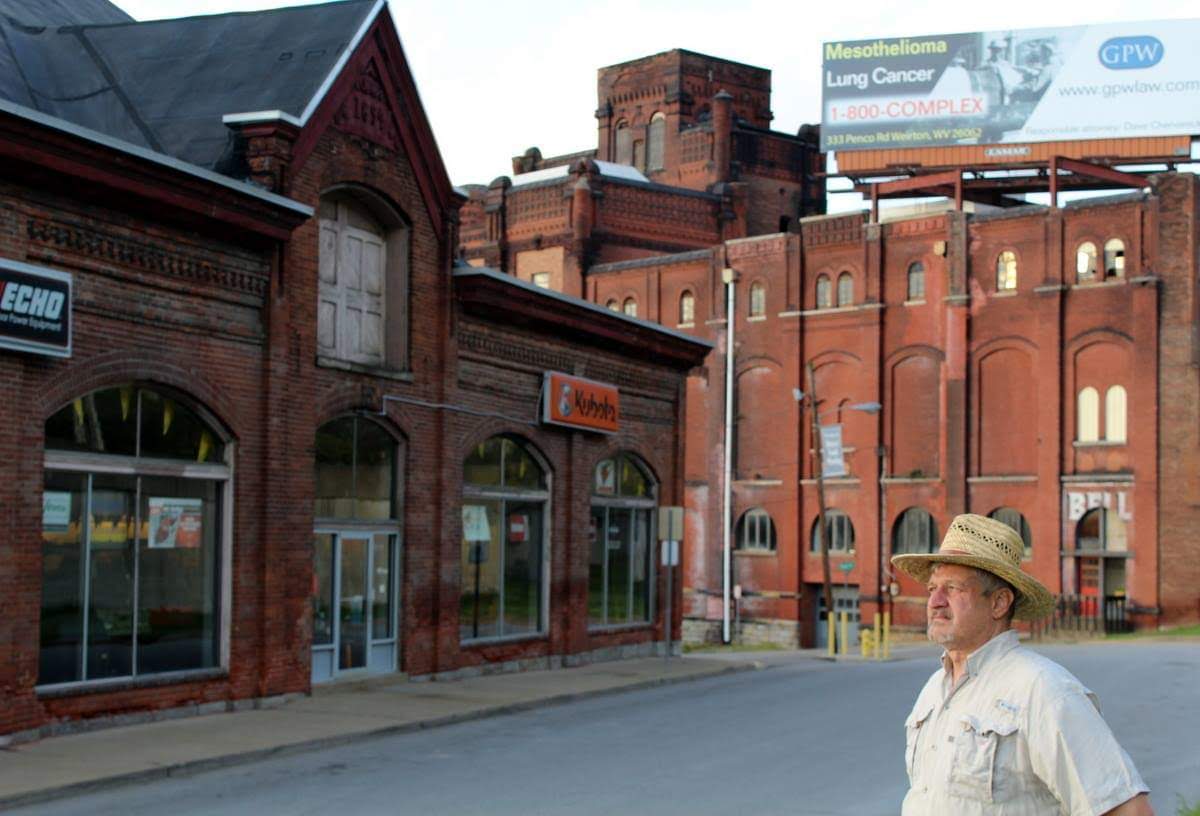
The earliest commercial breweries in what’s now West Virginia appeared in the mid-nineteenth century, particularly in Wheeling, then one of the region’s largest industrial and transportation centers. Among the oldest known breweries was the P.P. Beck Brewery, established in 1847. Under the leadership of George and Anton Reymann, it later became the Reymann Brewing Company and grew into one of the largest brewing operations in the state.
Another pioneering enterprise was the brewery Frederick Ziegler founded in 1855 in South Wheeling, which evolved into the Nail City Brewing Company and later the Schmulbach Brewing Company. By the late nineteenth century, Wheeling supported multiple breweries that supplied beer throughout the Ohio Valley and beyond, benefiting from the city’s growing population, German immigrant community, railroad connections, and abundant water supply. Brewing became one of Wheeling’s most important manufacturing industries, and the city’s breweries ranked among the largest industrial enterprises in West Virginia before statewide prohibition took effect in 1914.
The Impact of Prohibition
The brewing industry faced a severe setback with the enactment of Prohibition. West Virginia adopted statewide prohibition measures even before the ratification of the Eighteenth Amendment to the U.S. Constitution, resulting in the closure of breweries throughout the state. Many brewing facilities were abandoned, converted to other uses, or demolished. (Read: “Prohibition in wild, woolly West Virginia was a deadly undertaking.”)
Although the repeal of Prohibition in 1933 allowed brewing to resume, the industry never fully regained its pre-Prohibition prominence. National consolidation increasingly favored larger breweries capable of producing and distributing beer on a mass scale. For much of the twentieth century, beer sold in West Virginia was produced primarily outside the state.
The Rise of Craft Brewing
Beginning in the late twentieth century, changes in consumer preferences and brewing laws encouraged the growth of small-scale brewing operations. The national craft beer movement, which emphasized traditional brewing methods, distinctive flavors, and local ownership, reached West Virginia in the 1990s and accelerated during the early twenty-first century.

Legislative reforms helped support the industry by allowing breweries to operate tasting rooms, sell products directly to consumers, and participate in tourism initiatives. These changes made it easier for entrepreneurs to establish brewing businesses and attract visitors.
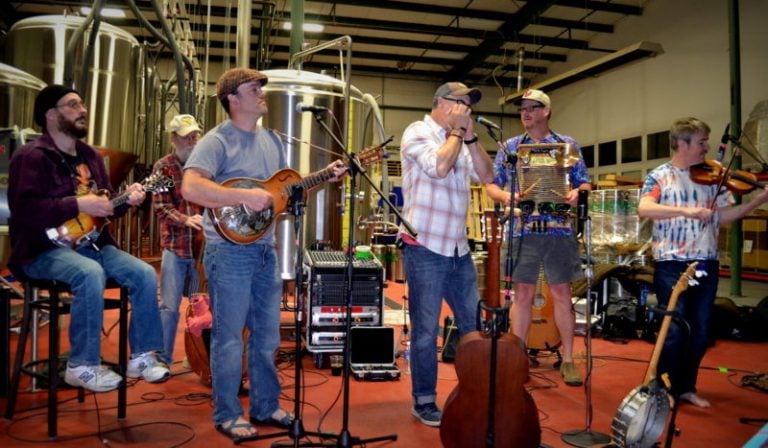
Craft breweries often revitalized historic commercial districts and former industrial buildings, transforming underused properties into gathering places for residents and tourists. Many became centers for community events, live music, and local food culture.
Brewing and Tourism
Breweries have become increasingly connected to West Virginia’s tourism economy. Many are located near its rivers, ski areas, hiking and biking trails, and historic downtowns, serving visitors who travel to the state for outdoor recreation. The growth of brewery tourism has paralleled the expansion of cycling routes, rail trails, and adventure travel destinations.
State and local tourism organizations have promoted brewery trails, festivals, and special events that encourage visitors to explore multiple communities. These initiatives contribute to local spending and help showcase West Virginia’s distinctive regional character.
Breweries also frequently collaborate with farmers, artisans, and food producers, strengthening connections between agriculture, hospitality, and tourism.
Brewing Ingredients and Regional Identity
West Virginia’s natural environment has influenced the development of its brewing industry. Mountain water, locally grown grains, honey, fruits, and botanicals have been incorporated into specialty beers that reflect regional tastes and traditions. Brewers often draw inspiration from Appalachian culture, history, folklore, and landscapes when creating products and marketing campaigns.
This emphasis on local identity distinguishes many West Virginia breweries from larger national producers and aligns with consumer interest in authentic, place-based experiences.
Economic Significance
The modern brewing industry contributes to employment, tourism revenue, and business development across the state. Breweries support jobs in manufacturing, hospitality, agriculture, distribution, and retail. Their presence can increase foot traffic in commercial districts and encourage investment in surrounding businesses.
Industry advocates also point to breweries as examples of successful small-business entrepreneurship, particularly in communities seeking economic diversification beyond traditional industries such as coal mining and manufacturing.
Cultural Impact
Beyond their economic role, breweries have become important social institutions in many West Virginia communities. They often serve as gathering places that host educational programs, charitable events, outdoor recreation groups, and cultural activities. Their popularity reflects broader national trends favoring locally produced goods and community-oriented businesses.
As the craft brewing movement continues to evolve, breweries remain an increasingly visible part of West Virginia’s cultural landscape, linking the state’s historic brewing traditions with contemporary tourism, recreation, and economic development.
List of participating breweries in West Virginia
Abolitionist Ale Works
129 W Washington Street
Charles Town, WV 25414
681-252-1548
Bad Shepherd Brewery
702 Quarrier Street
Charleston, WV 25301
304-343-2739
Banning’s Inc.
620 Water Street
Summersville, WV 26651
Berkeley Springs Brewing Company
110 Michigan Lane
Berkeley Springs, WV 25411
304-258-3369
Big Timber Brewing Company
1210 S Davis Avenue
Elkins, WV 26241
304-637-5008
Blackwater Brewing Company
912 William Avenue
Davis, WV 26260
304-209-8118
Brew Keepers
2200 Main Street
Wheeling, WV 26003
724-809-8968
Brewstel Brew Stop & Hostel
120 Davis Avenue
Elkins, WV 26241
304-997-4769
Bridge Brew Works
335 Nick Rahall Greenway
Fayetteville, WV 25840
304-282-2201
Buffalo Trail Restaurant & Brewery
190 Buffalo Trail
Bluefield, WV 24701
304-324-3204
Chestnut Brew Works
444 Brockway Avenue
Morgantown, WV 26501
304-212-5079
Dobra Zupas
600 S. Oakwood Avenue
Beckley, WV 25801
304-253-9872
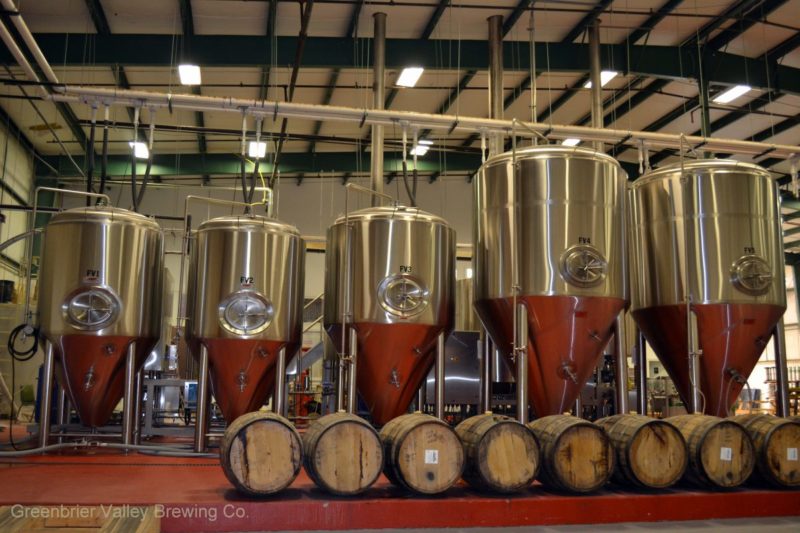
Greenbrier Valley Brewing Company
862 Industrial Park Road A
Maxwelton, WV 24857
304-520-4669
Hawk Knob Hard Cider & Mead
2245 Blue Sulphur Pike
Lewisburg, WV 24901
304-227-4414
Healthberry Farm
Snyder Road
Harman, WV 26270
304-227-4414
Morgantown Brewing Company
1291 University Avenue
Morgantown, WV 26505
304-292-6959

Mountain State Brewing Company
1 Nelson Boulevard
Thomas, WV 26292
304-463-4500
Mountain State Brewing Company
54 Clay Street
Morgantown, WV 26501
304-241-1976
North End Tavern & Brewing
3500 Emerson Avenue
Parkersburg, WV 26104
304-428-5854
Parkersburg Brewing Company
707 Market Street
Parkersburg, WV 26104
304-916-1502
Patrick Brewing Company
3 Appaloosa Lane
Scott Depot, WV 25560
The Peddler
835 3rd Avenue
Huntington, WV 25701
304-691-0415
Pinchgut Hollow Brewery
Heston Farm
1602 Tulip Lane
Fairmont, WV 26554
304-366-9463
Rambling Root
101 Fairmont Avenue
Fairmont, WV 26554
304-534-8475
Screech Owl Brewing
2323 Ralph Livengood
Bruceton Mills, WV 26525
304-379-4777
Short Story Brewing
5904 Fairmont Road
Rivesville, WV 26588
304-933-2165
Stumptown Ales
390 William Avenue
Davis, WV 26260
304-259-5770
Town Run Brewing Company
202 E Washington Street
Shepherdstown, WV 25443
304-876-0502
Weathered Ground Brewery
2027 Flat Top Road
Ghent, WV 25843
304-716-6230
Wheeling Brewing Company
2247 Market Street
Wheeling, WV 26003
304-905-8757
Help build our guide to West Virginia Breweries
West Virginia breweries seem to be increasing in number at an exponential rate. If you know of a brewery that’s not listed on our pages or have a suggestion for an article regarding West Virginia beers and brews, please let us know.
See also: Distilleries and Dining and Cuisine