

CHARLESTON, W.Va. — As part of the nation’s 250th-anniversary commemoration, officials at the Preservation Alliance of West Virginia have announced a new grant program to support the preservation and adaptive reuse of historic buildings tied to the state’s early history.
The Frontier-to-Statehood Preservation Fund, funded through the National Park Service’s Paul Bruhn Historic Revitalization Grant Program, will provide up to 10 grants of as much as $100,000 each for the rehabilitation of certified historic structures dating to 1871 or earlier. The cutoff year marks the U.S. Supreme Court’s recognition of West Virginia’s statehood in the case Virginia v. West Virginia.
According to Danielle Parker, executive director of the alliance, the program provides vital support for West Virginia’s future.
“This program is a powerful investment in the places that shaped our state and nation,” Parker said. “By supporting the preservation and active use of these early buildings, we’re not only protecting history, but we’re also creating opportunities for communities across West Virginia to grow, connect, and tell their stories for generations to come.”
Eligible projects and grant requirements
Eligible properties must be individually listed on the National Register of Historic Places or identified as contributing buildings within a national historic district. Applicants may include nonprofits, private property owners, businesses, government agencies, educational institutions, and religious organizations.
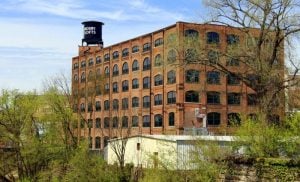
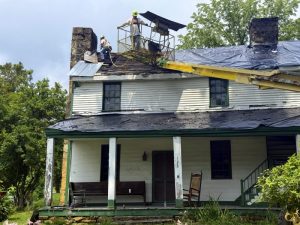
Grant funding may be used for projects including roof and foundation repairs, masonry restoration, window and door rehabilitation, log structure stabilization, accessibility improvements, and building systems upgrades. All work must comply with the U.S. Secretary of the Interior’s Standards for the Treatment of Historic Properties and the National Historic Preservation Act.
Priority will be given to projects that promote public-facing cultural heritage tourism, provide essential community services, and demonstrate readiness through a minimum 25% nonfederal funding match.
Parker said no project work may begin before grant approval and award notification. Applications are due July 31, 2026.
Preservation is an economic driver in W.Va.
Historic preservation has become an increasingly important part of West Virginia’s economy, particularly in communities that rely on tourism, downtown revitalization, and heritage travel. Restored historic buildings often serve as museums, restaurants, shops, lodging properties, and community gathering spaces that attract visitors and investment while preserving local identity. Preservation projects also generate construction and skilled-trade jobs while encouraging the long-term reuse of existing infrastructure.
Since the remote work revolution accelerated during the COVID-19 pandemic, West Virginia has experienced renewed interest from out-of-state residents seeking affordable living, outdoor recreation, and a slower pace of life in smaller communities.
Many newcomers, particularly remote professionals relocating from larger metropolitan areas, have shown a strong preference for historic districts and traditional downtowns that offer architectural character, walkable streets, and a sense of authenticity often absent in sprawling suburban developments.
Communities with preserved main streets, historic homes, and intact small-town identity have become increasingly attractive to remote workers looking not only for scenic surroundings, but also for places with cultural depth and community connection. The trend has reinforced growing recognition that historic preservation is not merely about protecting old buildings, but also about sustaining the distinctive character and economic vitality that make West Virginia communities appealing to new residents and entrepreneurs.
About the Preservation Alliance of W.Va.
Founded in 1982, the Preservation Alliance of West Virginia, based in Elkins, is the state’s leading nonprofit organization dedicated to historic preservation. The organization works to identify, preserve, and promote West Virginia’s historic places through advocacy, education, technical assistance, and community revitalization initiatives.