West Virginia has long been known for hospitality. Before the age of motels and motor vehicles, guests were welcomed at inns, cabins, and hotels that clustered around healing springs and sheltered in cool mountain coves. Wherever you go in West Virginia, you’ll find warm, welcoming folk who are ready to host guests and share their renowned Appalachian approach to conviviality.
Lodging in West Virginia is most frequently found in and near its largest cities, in resort areas, and along its major highways. Our list of hotels and motels in more than 350 communities also includes lodging near casinos and universities.
Cabins and lodges are found throughout West Virginia, but are most frequently located near state parks and vacation destinations. Fishing cabins along its rivers and hunting cabins among its forests are as popular as romantic winter and summer lodging alternatives.
Country Inns and bed-and-breakfasts are popular throughout most of rural West Virginia and are most common in communities near its resorts, national parks, and vacation areas. Bed-and-breakfast lodging is also common in large and small towns with historical districts.

Camping in West Virginia is a popular pastime and form of primitive lodging in all but the coldest months. State parks, national parks, and forests in West Virginia are renowned for providing exemplary campgrounds, and private campgrounds rate among the best in the U.S.
About lodging in West Virginia
Lodging in West Virginia reflects the state’s long connection to tourism, transportation, and outdoor recreation. From rustic frontier inns and mineral spring resorts to modern vacation cabins and short-term rentals, accommodations in the Mountain State have evolved alongside changing patterns in travel and leisure.
The earliest lodging in the region developed during the late 18th and early 19th centuries, when travelers moving through the Appalachian Mountains relied on taverns, boarding houses, and stagecoach inns. Mountain springs believed to possess healing properties soon attracted wealthy visitors from eastern cities. Resorts at White Sulphur Springs and other mountain communities became nationally known destinations where guests sought fresh air and restorative mineral waters.
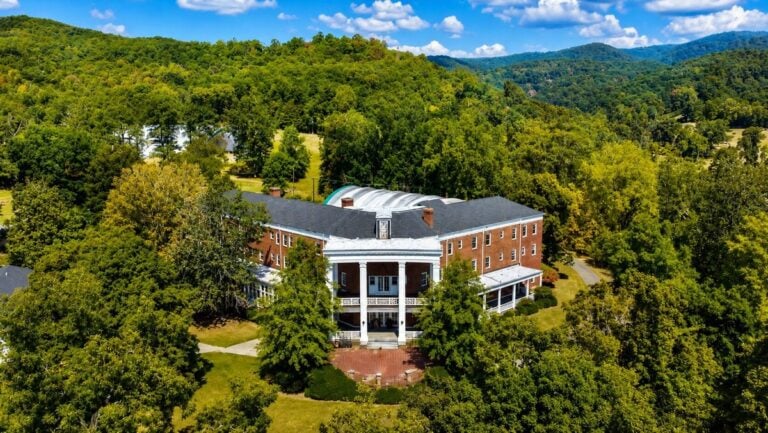
Among the best-known historic resorts is The Greenbrier, whose origins date to 1778. The resort expanded dramatically after the arrival of the Chesapeake & Ohio Railway in the late 19th century, illustrating the important role rail travel played in West Virginia tourism. Luxury hotels also emerged in growing industrial cities such as Clarksburg, Parkersburg, and Williamson, serving railroad passengers, coal operators, and business travelers. Historic properties such as the Waldo Hotel, the Blennerhassett Hotel, and the Mountaineer Hotel reflected the prosperity of the coal and railroad eras.
During the 20th century, automobiles transformed travel across West Virginia. Motor lodges, roadside cabins, and family-owned motels appeared along highways and scenic routes. State parks also developed lodge facilities and cabin rentals, allowing visitors to stay near forests, lakes, and mountain recreation areas. Tourism is increasingly centered on outdoor activities, including fishing, hiking, whitewater rafting, and skiing.
Modern lodging opportunities in West Virginia are highly diverse. Traditional hotels remain concentrated in cities such as Charleston, Morgantown, and Huntington, while mountain resorts continue to attract vacationers year-round. Cabins and vacation homes have become especially popular in areas surrounding the New River Gorge National Park and Preserve, Canaan Valley, and Snowshoe Mountain Resort.
In the 21st century, online platforms reshaped the state’s lodging market. Services such as Airbnb
and Vrbo enabled property owners to rent cabins, farmhouses, tiny homes, and historic buildings directly to travelers. Rural counties in particular saw growth in short-term vacation rentals tied to outdoor tourism. Budget-minded and socially oriented travelers have also used networks such as Couchsurfing
to find informal accommodations and connect with local residents.
Today, lodging in West Virginia ranges from luxury historic resorts and boutique inns to primitive campsites and secluded mountain cabins. The variety reflects both the state’s tourism history and its enduring appeal as a destination for scenery, recreation, and Appalachian culture.
Help build our guide to lodging in West Virginia.
When you encounter hotels, motels, cabins, and inns in West Virginia that aren’t listed in our lodging directory, please let the proprietor know about the opportunity to be included.