
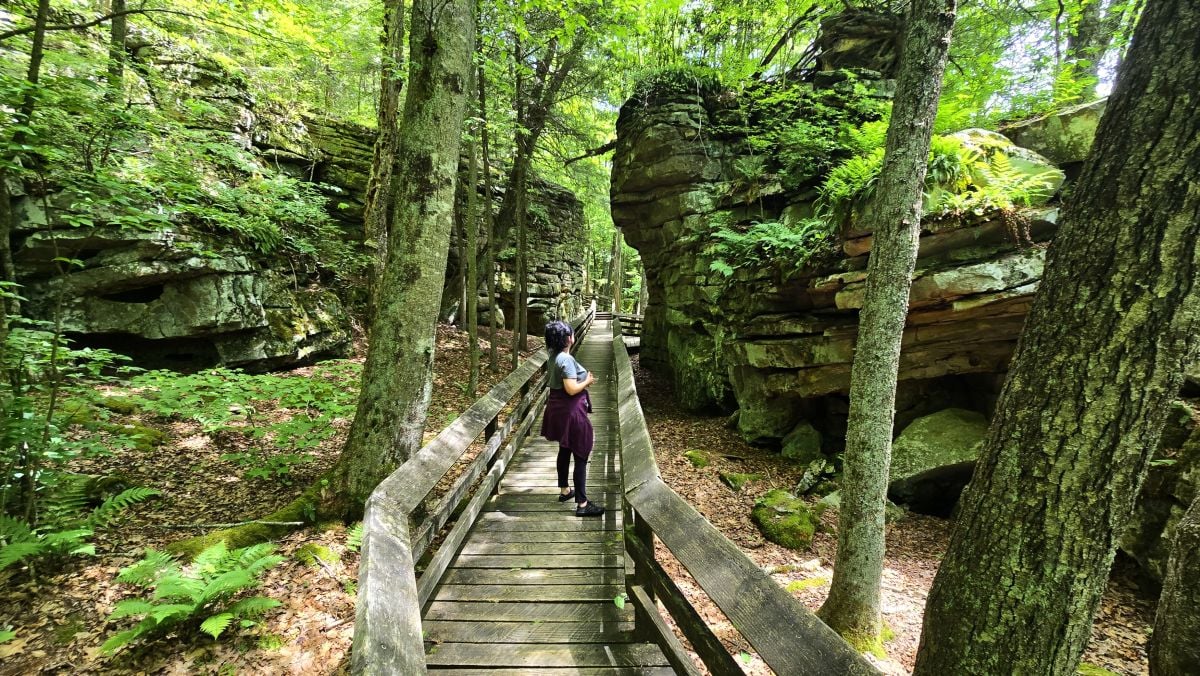
Massive sandstone formations, hidden passageways, and a natural stone labyrinth make Beartown State Park unlike anywhere else in the Mountain State.
HILLSBORO, W.Va. — Hidden among the high ridges of eastern West Virginia lies a landscape so unusual that many visitors struggle to believe it was shaped by nature.
At first glance, Beartown State Park appears to be a quiet mountain forest near the summit of Droop Mountain. But a short walk into the park reveals one of the strangest geological formations in the Appalachian Mountains — a maze of towering sandstone walls, narrow stone passageways, deep crevices, hidden chambers, and cave-like openings that resemble the streets of a forgotten city.
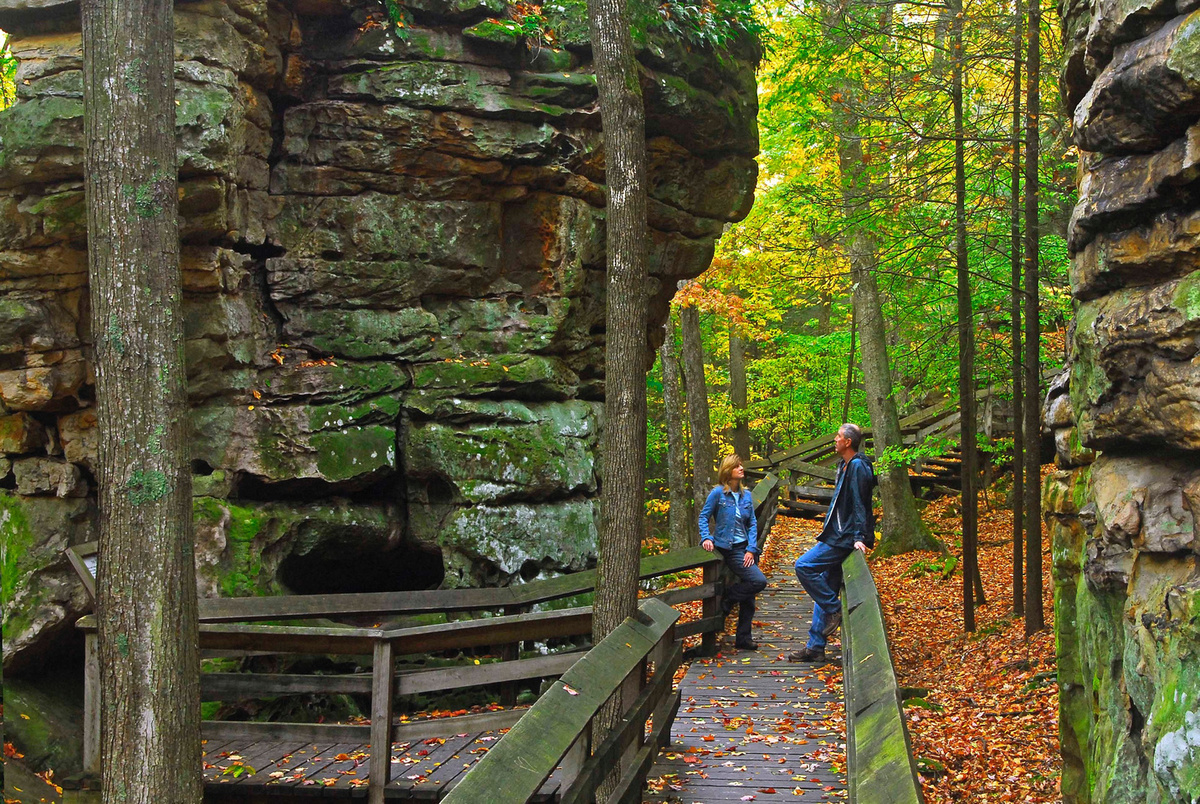
Located just south of Marlinton in Pocahontas County, Beartown State Park has long been one of West Virginia’s most distinctive natural attractions. While visitors flock to the New River Gorge for expansive vistas and dramatic overlooks, Beartown offers something entirely different: the chance to wander through a natural stone labyrinth carved over millions of years.
A Natural Rock City Hidden in the Mountains
The first thing most visitors notice is the scale.
Massive blocks of sandstone rise from the forest floor, some towering more than 30 feet. Between them, narrow corridors twist through the landscape like streets between buildings. In places, the gaps become so tight that visitors can almost touch both walls at once.
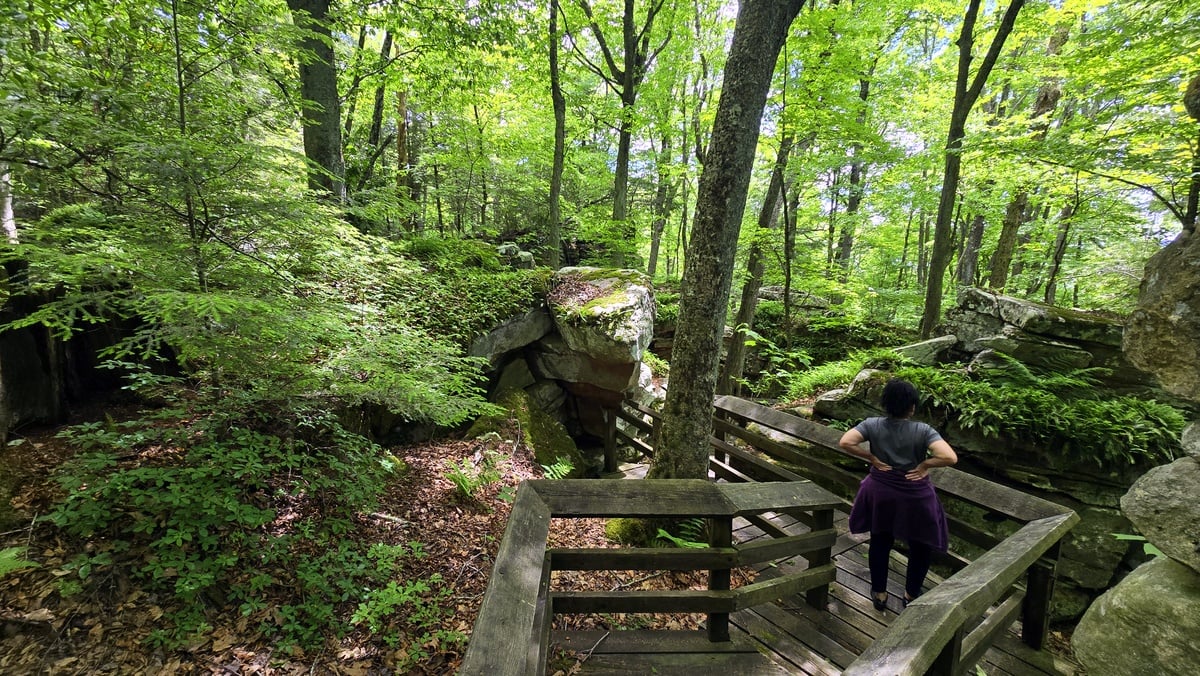
The formations create the impression of a city built entirely of stone.
Boardwalks guide visitors through the maze, past towering cliffs, hidden alcoves, narrow tunnels, and shaded crevices that seem to vanish into darkness. Around every corner, another unexpected formation appears.

Unlike a traditional hiking destination, the attraction at Beartown is not a distant mountain view but the experience of moving through the landscape itself.
Many visitors compare the park to a giant outdoor labyrinth.
Why people are fascinated by Beartown
The unusual appearance of the park helps explain its enduring popularity.
“People are intensely interested in rocks,” West Virginia Explorer publisher David Sibray once observed. “There’s something about large rock formations that attract attention and inspire intense interest.”
Few places demonstrate that fascination better than Beartown.
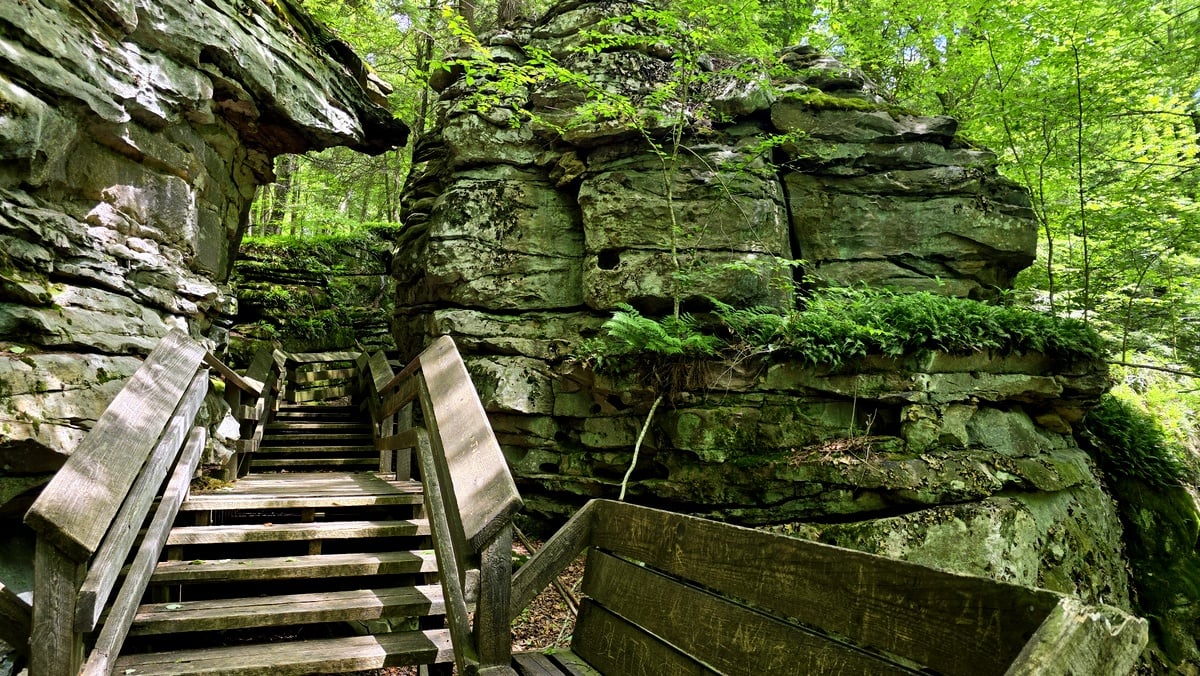
The park’s enormous sandstone formations appear so deliberately arranged that they often seem artificial. Visitors frequently describe the landscape as resembling ancient ruins, a fortress, or the remains of a lost civilization hidden within the forest.
The reality, however, is even more remarkable.
Every wall, crevice, corridor, and chamber was formed entirely through natural geological processes.
How nature built a stone city
Visitors often describe Beartown as resembling a lost city hidden in the forest. Geologists say the explanation is far more fascinating than any legend.
In a previous interview with W.Va. Explorer, West Virginia Geological and Economic Survey geologist Ken Ashton explained how the park’s distinctive sandstone maze formed over millions of years.
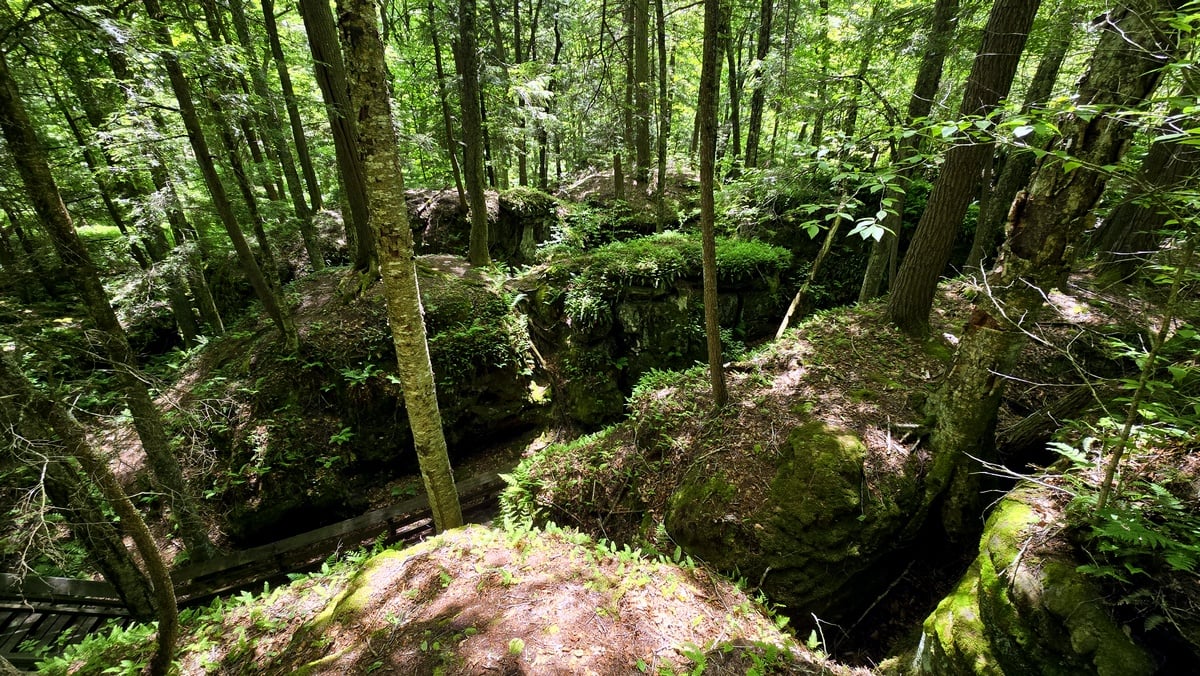
“Those cracks have been forming for a long time,” Ashton explained. “There are certain fracture trends that they follow.”
Once the cracks formed, water began exploiting them. “It’s a little easier for water to find its way in through a fracture than solid rock,” Ashton said.
Rainwater and melting snow seeped into the openings. During winter, freezing temperatures caused the trapped water to expand, gradually widening the cracks.
“When water gets trapped, it will expand and contract over time, and it makes that crack bigger,” Ashton said. “That allows a little bit more water to get in there, which increases the process.”
The cycle repeated over countless seasons and over immense spans of time. Narrow fractures slowly became deep crevices. Crevices widened into corridors. Corridors evolved into the maze-like passageways that today resemble city streets carved through stone.
What appears to be a lost city hidden in the mountains is actually the result of millions of years of weathering, erosion, and geological change.
The geology behind Beartown’s strange landscape
The sandstone that forms Beartown is part of the Droop Sandstone formation, a resistant rock layer deposited more than 300 million years ago during the Pennsylvanian Period.
At the time, ancient rivers and coastal environments covered portions of what would eventually become West Virginia. Layers of sand accumulated and hardened into sandstone. Later mountain-building events associated with the formation of the Appalachian Mountains lifted those deposits thousands of feet above sea level.
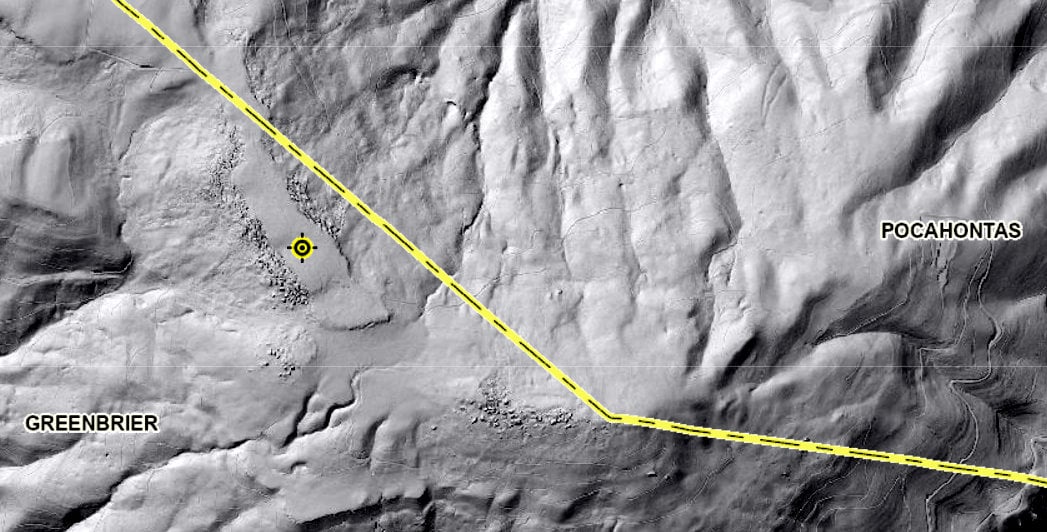
Over millions of years, erosion exposed the rock while weathering sculpted it into the remarkable formations visible today. Ashton says varying rates of erosion help explain some of the park’s strangest features.
“Bedrock weathers at different rates at different zones, so it leaves a bunch of weird rocks lying around, and you’re wondering: how did that get here?” he said.
That combination of ancient geology, mountain uplift, fracture patterns, and erosion has created one of the most unusual landscapes in West Virginia—a natural stone labyrinth unlike anywhere else in the Appalachian Mountains.
Crevices and Hidden Caves
Part of Beartown’s appeal lies beneath the visible formations. Many fissures descend far below the boardwalk. Some disappear into cave-like openings beneath the sandstone blocks. Others form cool, shaded corridors where sunlight rarely reaches the bottom.
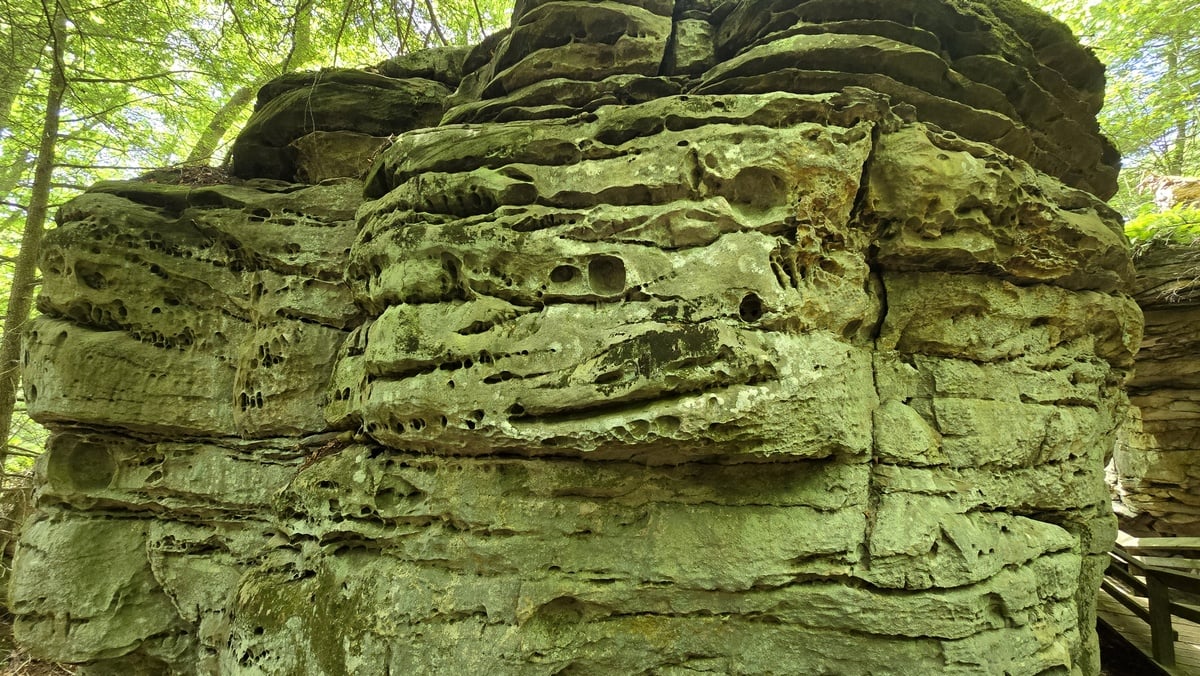
Even in summer, temperatures inside the deeper crevices can feel noticeably cooler than those in the surrounding forest. Snow and ice have occasionally lingered in the deepest recesses long after they have disappeared elsewhere in the mountains.
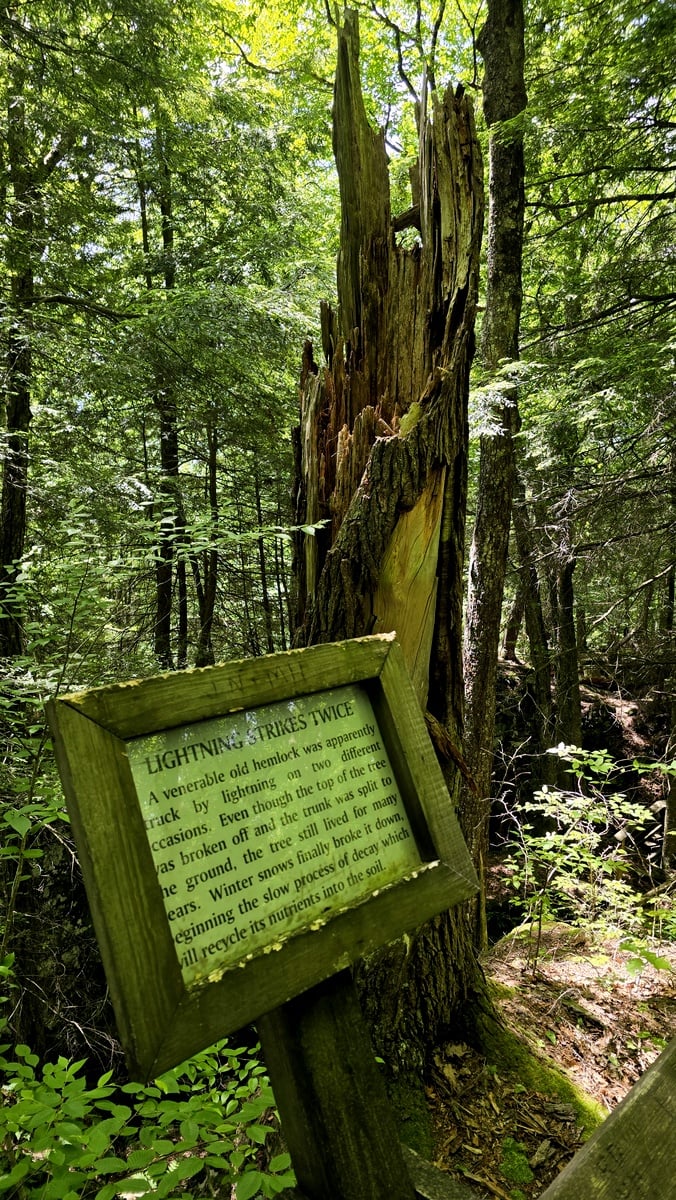
The cool, moist environment supports mosses, ferns, lichens, and other plants that thrive in these protected conditions.
For photographers, the contrast between green vegetation and weathered sandstone offers endless opportunities for dramatic images.
How Beartown got its name
The origin of the park’s name remains part of local folklore. According to one account, early residents believed black bears used the rocky passages and sheltered spaces beneath the sandstone formations for protection during the winter.
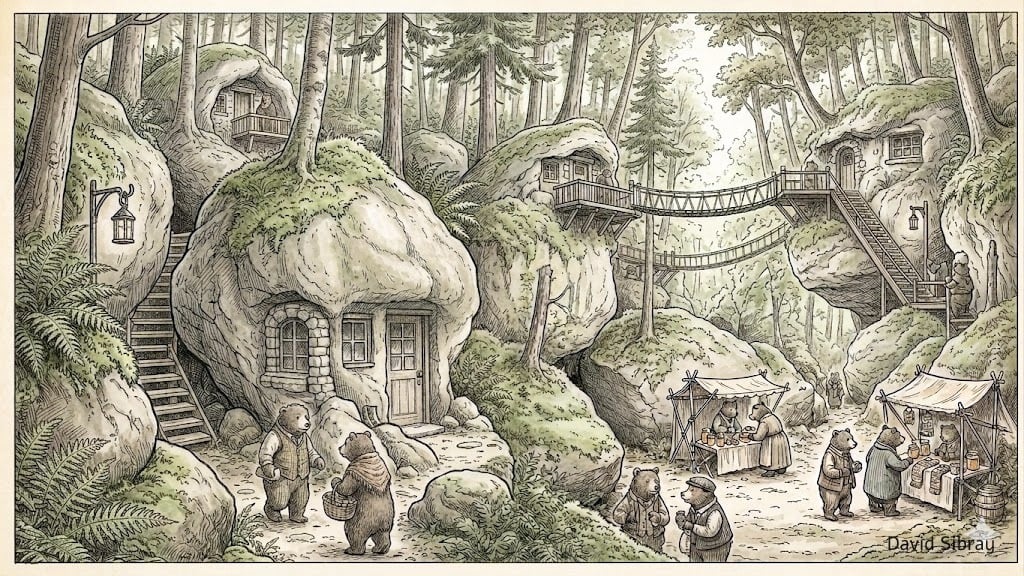
The extensive network of crevices and cave-like openings would certainly have provided ideal refuge. Others suggest the name arose simply because the area was known for its bear population.
Whatever its exact origin, the name has become inseparable from one of West Virginia’s most unusual natural landmarks.
Why photographers love Beartown
Few places in West Virginia offer such distinctive photographic opportunities.
The narrow passageways create natural leading lines. Shafts of sunlight filtering through the forest canopy illuminate parts of the rock city while leaving others in shadow.
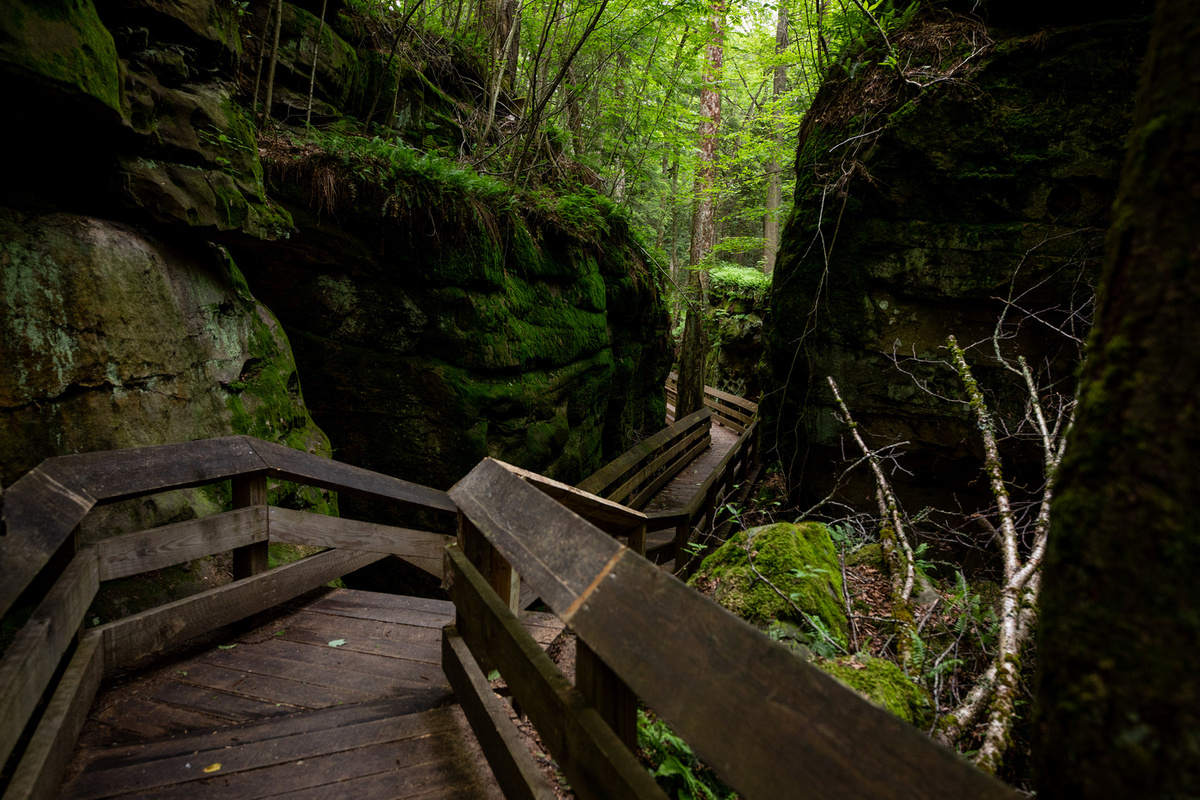
Moss-covered walls, textured sandstone surfaces, and dramatic shifts in scale allow photographers to capture images that look more like scenes from the American Southwest than the Appalachian Mountains.
The park is especially appealing in autumn, when colorful foliage contrasts with the gray and tan sandstone formations.
Morning light often produces the most dramatic effects, especially when mist lingers among the rocks.
One of West Virginia’s strangest places
West Virginia is home to countless scenic destinations, from Blackwater Falls and Seneca Rocks to the New River Gorge and Dolly Sods. Yet few places may feel as mysterious as Beartown State Park.
There are taller waterfalls in the Mountain State. There are overlooks that offer broader views. There are longer, more challenging hiking trails.
But nowhere else offers the experience of wandering through a natural stone city hidden high in the Appalachian Mountains.
The towering sandstone walls, maze-like passageways, deep crevices, and hidden chambers combine to create a landscape that feels almost impossible.
For travelers seeking unusual places in West Virginia, Beartown remains one of the state’s greatest surprises.
Part geological wonder, part natural maze, and part mountain mystery, it stands as one of the strangest and most fascinating destinations in the Mountain State—a place where nature has spent millions of years building a city from stone.
What visitors should know before visiting Beartown State Park
Despite its remote feel, Beartown State Park is easily reached by road and lies just a short drive from the Pocahontas County community of Marlinton. The park’s high elevation atop Droop Mountain helps create cooler temperatures than many lower-elevation destinations in West Virginia, making it a popular summer stop for travelers exploring the region.
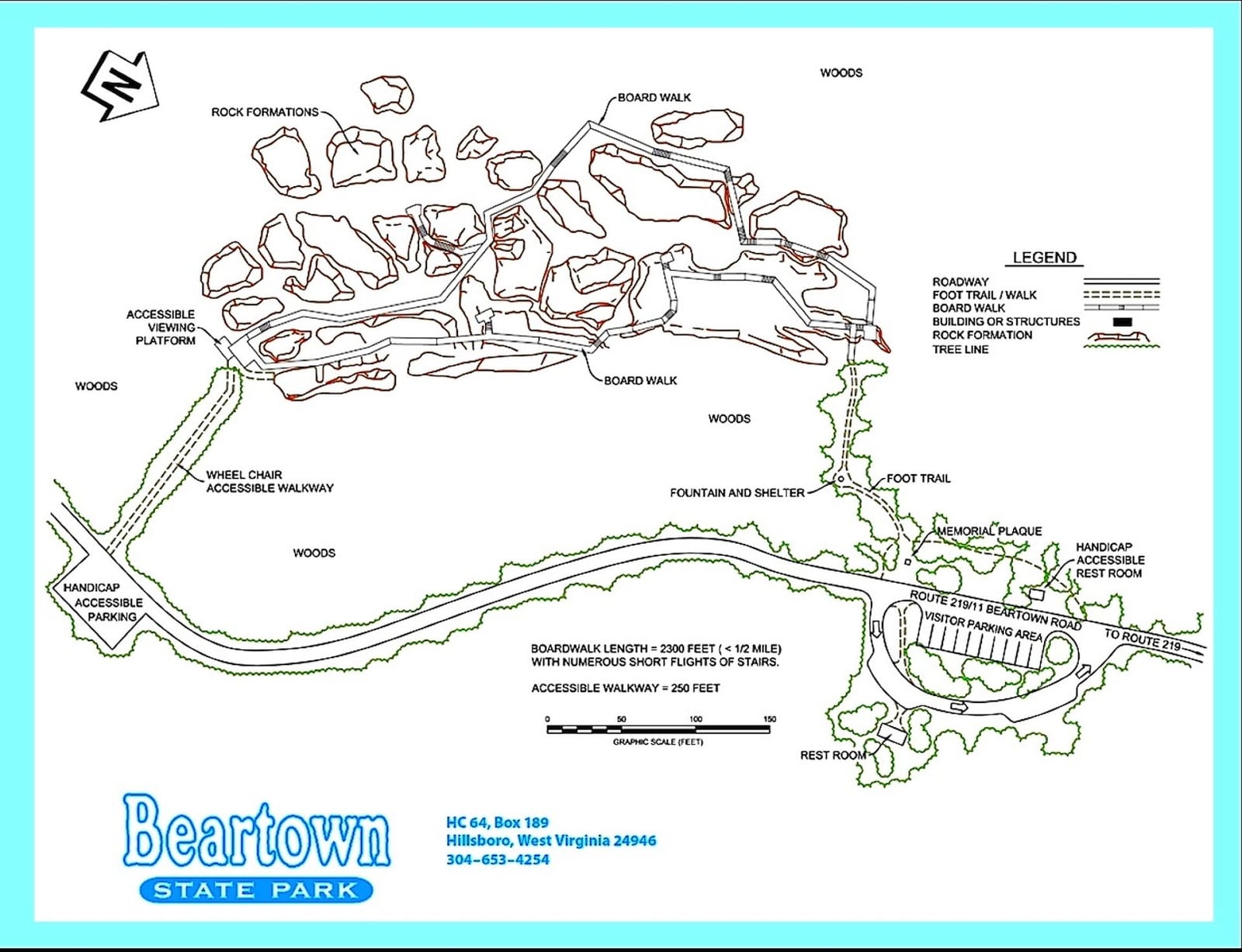
Unlike many of the state’s hiking destinations, Beartown State Park is accessible through an elevated boardwalk system that winds through the sandstone formations. The boardwalk allows visitors to experience the rock city without a strenuous hike, making the park appealing to families, photographers, and travelers seeking a shorter outdoor excursion.
Most visitors spend between 30 minutes and an hour exploring the maze of sandstone corridors, though photographers and geology enthusiasts often linger longer to examine the formations and changing light conditions.
Spring, summer, and fall are generally considered the best seasons to visit. Spring brings lush greenery and wildflowers, while autumn offers colorful foliage that contrasts dramatically with the gray and tan sandstone walls. Morning and late-afternoon light often provide the most striking opportunities for photography.
Visitors should also be aware that cell service can be limited in portions of Pocahontas County and along the higher mountain ridges surrounding the park. Downloading maps and travel information before arriving is a good precaution.
Because many of the crevices are deeper than they appear, park officials encourage visitors to remain on the boardwalk and designated viewing areas. The walkway was designed not only to protect the fragile environment but also to provide safe access to some of the park’s most dramatic formations.
Beartown is often visited alongside several nearby attractions. Travelers exploring the area may also enjoy Droop Mountain Battlefield State Park, the scenic Greenbrier River Trail, and the shops, restaurants, and outdoor recreation opportunities centered around Marlinton. Together, these destinations make the region one of the most rewarding outdoor travel areas in the Mountain State.
Find out more about Beartown State Park and visiting Pocahontas County at the Pocahontas County Convention and Visitors Bureau.