
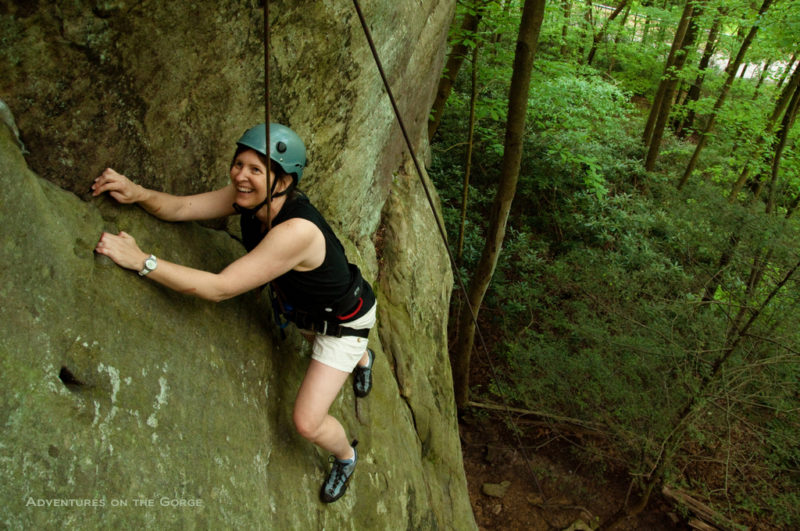
FAYETTEVILLE, W.Va. — The U.S. Department of the Interior has launched a nationwide review of rock-climbing management practices and wilderness stewardship policies that could ultimately affect rock climbing in some of America’s most celebrated climbing destinations, including the New River Gorge National Park and Preserve in West Virginia.

Federal officials announced this week that a 60-day public comment period will allow climbers, outdoor recreation advocates, conservation groups and the general public to weigh in on proposed guidance for recreational climbing across federal lands managed by the National Park Service, the Bureau of Land Management and the U.S. Fish and Wildlife Service.
The initiative comes as climbing continues to grow in popularity nationwide and as federal land managers seek to establish a more consistent approach to managing climbing activities, particularly in designated wilderness areas.
For West Virginia, the review carries special significance
New River Gorge National Park and Preserve and the nearby Gauley River National Recreation Area together form one of the largest and most renowned rock climbing regions in the United States. The rugged sandstone cliffs along the New and Gauley River gorges attract climbers from around the world and have helped establish southern West Virginia as a premier destination for outdoor recreation tourism.
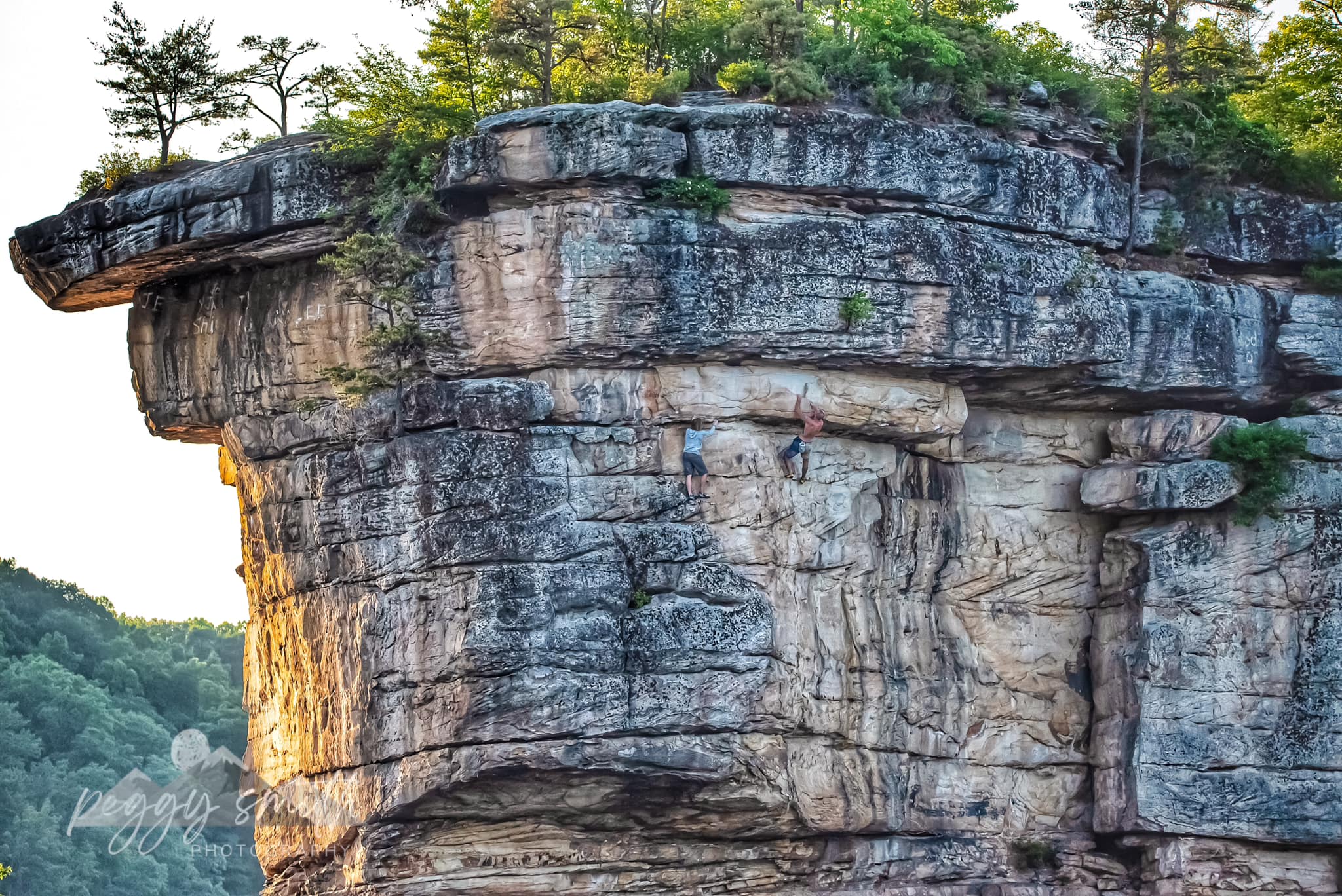
The New River Gorge alone contains thousands of established climbing routes across miles of cliff faces. Climbers are drawn to the area’s hard sandstone, extensive route diversity, and long climbing season. The climbing industry has become an important part of the regional economy, supporting guide services, outfitters, lodging providers, restaurants, and other tourism-related businesses throughout Fayette, Raleigh, Nicholas, and surrounding counties.
Under the proposal announced by the Interior Department, federal agencies would adopt a more consistent framework for evaluating climbing activities, including the use of fixed anchors and other equipment commonly used by climbers. Officials say the goal is to improve clarity for land managers and recreational users while maintaining protections required by federal law.
Secretary of the Interior Doug Burgum said the effort seeks to balance public access with responsible stewardship.
“America’s public lands are meant to be experienced and enjoyed by the American people,” Burgum said in announcing the review. “At the same time, we have a responsibility to be good stewards of these lands.”

The department says the proposed guidance is intended to provide practical standards for managing recreational climbing while preserving wilderness character and ensuring public safety.
Growing Importance of Climbing Recreation
The announcement reflects the growing national importance of climbing as a recreational activity. Once considered a niche pursuit, climbing has expanded dramatically over the past several decades, aided by the rise of climbing gyms, organized climbing groups, and outdoor recreation tourism.
Federal lands contain many of the nation’s best-known rock climbing destinations, including Yosemite National Park, Joshua Tree National Park, Rocky Mountain National Park, and Black Canyon of the Gunnison National Park.
While those destinations are frequently highlighted in national climbing discussions, New River Gorge rock climbing has emerged as one of West Virginia’s most significant recreation draws. The gorge’s cliffs near Fayetteville offer routes for beginners as well as some of the most technically demanding climbs in North America.
The area’s reputation has grown further since New River Gorge’s redesignation as a national park and preserve in 2020, bringing increased national attention to southern West Virginia’s outdoor recreation opportunities.
Review of Wilderness Policies
In addition to climbing guidance, Interior officials are seeking comments on broader wilderness management policies used by federal agencies.
The review will assess whether existing wilderness study area policies and related guidance should be updated, clarified, or revised to improve consistency and transparency in public land management.
Officials say the review aims to determine whether current policies adequately support recreation, conservation, and public access goals while remaining consistent with federal law.
The Bureau of Land Management is seeking feedback on several manuals that govern wilderness study areas and lands with wilderness characteristics. Meanwhile, the Fish and Wildlife Service and the National Park Service are evaluating portions of their wilderness stewardship policies.
According to the department, public comments gathered during the review process will help shape future management decisions affecting millions of acres of federal lands nationwide.
Potential implications for West Virginia
Although no immediate changes are proposed for specific climbing areas in West Virginia, the review could eventually influence how rock climbing activities are evaluated and managed across federal lands.
That possibility has drawn attention from climbers and outdoor recreation advocates who view access to public climbing areas as critical to the continued growth of outdoor tourism.
West Virginia has increasingly promoted adventure tourism as an economic development strategy, with climbing, whitewater rafting, mountain biking and hiking serving as major attractions. The New River Gorge region, in particular, has become a centerpiece of those efforts.
Any future policy changes affecting rock climbing access, route development, fixed anchor installation or wilderness management could therefore be closely watched by businesses and communities that depend on outdoor recreation visitors.
The Department of the Interior says all comments received during the 60-day review period will be considered before any final guidance or policy revisions are adopted.
Federal Register notices outlining the proposals and comment procedures are expected to be published by the participating agencies in the coming days.
This sounds an awful lot like controls put on the climbing community in order to satisfy the masses who may or may not give diddley squat about the rock and surrounding terrain and wildlife. “Just lemme get that selfie and make me look cool kind of thing irregardless.” Where can we sign up to read review and respond to this agenda? This sounds also like $$$ being put against the true outdoor naturalist who respects the earth and practices respectful land stewardship. Some people may not understand the spiritual experience and mindset of climbing or the connection to the rock and earth in general. With the recent onset of increased outdoor activity since the virus, the public at large needs educated on how to protect the wilderness…not destroy the very first thing they don’t know about either by accident or on purpose. This is an issue of respecting the great outdoors and in particular to climbing, the rock, climbers, the spirit and soul of climbing, as well as the surrounding landscape and the climbing community who may also live in the area.
Climbers are—hands down—the most engaged stewards of the land in and around the NRG. We practically invented stewardship here. Climbers like Rico Thompson, Maura and Gene Kistler and Kenny Parker were stewards of the land before “stewardship” was even really a concept.