












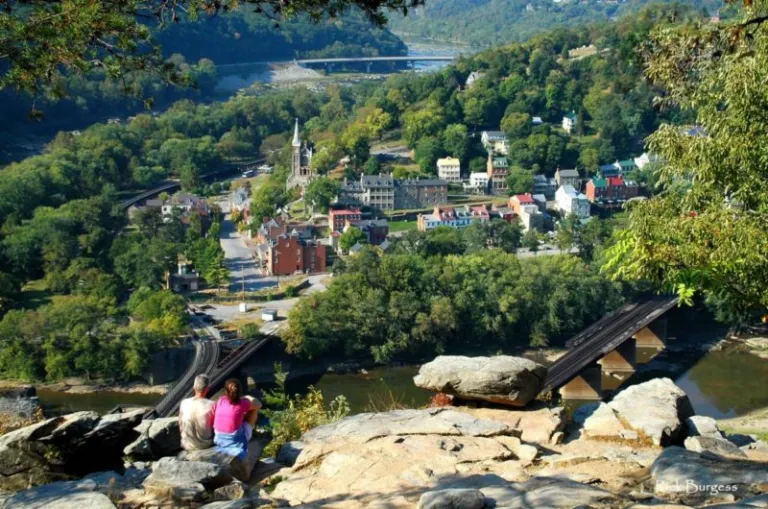


We asked AI how its own data centers could pollute West Virginia. Here’s what it had to say
(The following article was generated partly by ChatGPT in response to a prompt about how data centers pollute. As ChatGPT is powered by data centers, one might expect it to lean toward a positive statement about the impact on West Virginia.)
DAVIS, W.Va. — Data centers rarely look like polluters. They don’t belch smoke stacks or dump foam into rivers. But the modern “cloud” has a very physical footprint, and in many communities, especially in and around Appalachia, the most immediate concern isn’t the servers. It’s the water.

As artificial intelligence and cloud demand surge, developers are scouting the Appalachian region for large tracts of land, access to power infrastructure, and cooler climates—a shift that’s already triggering local backlash and new state-level policy battles in West Virginia.
How data centers pollute without looking like polluters
Most water impacts from data centers come from cooling. Many large facilities use evaporative cooling (often via cooling towers). That process concentrates minerals and requires chemical treatment to prevent scale, corrosion, and biological growth. The result is cooling-tower “blowdown”—wastewater that can contain elevated dissolved solids plus treatment chemicals, and that must be discharged to a sewer system or permitted outfall.
There are several pathways from there, according to DataCenterKnowledge.com:
Chemical loading: Biocides and corrosion inhibitors used in cooling water can enter wastewater streams if not properly handled and monitored.
Metals and persistent contaminants: Corrosion and system chemistry can mobilize metals (and other constituents), creating a chronic water-quality issue at scale.
Thermal impacts: Where facilities discharge warmed water, directly or indirectly, the main harm may be heat: warmer water holds less oxygen and can stress aquatic life. (Thermal discharges are explicitly regulated under Clean Water Act permitting frameworks.)
Water depletion as “pollution by concentration”: even when discharge meets limits, heavy withdrawals can lower flows, leaving streams less able to dilute other pollutants already in the watershed. This is a major concern in smaller headwater systems, including the upper Ohio River basin.
Data centers vs. factories vs. power plants: the water story isn’t the same
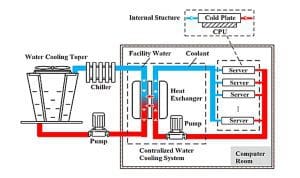
Water Cooling at Data Centers
Power plants, especially thermal plants, have historically been the largest users of cooling water. They often withdraw enormous volumes, and regulation has long focused on both discharge impacts and the harm to aquatic life caused by drawing water through intake structures. The latter is addressed under Clean Water Act Section 316(b) rules and related permit requirements.
Factories vary widely. A food plant, paper mill, chemical facility, or metal processor may use water as an ingredient, solvent, or wash medium, creating wastewater streams with distinctive chemical signatures that can be more easily identified as “industrial pollution.” They often fall under industrial pretreatment rules if discharging to sewers or NPDES permits if discharging to waters.
Data centers sit in a newer middle ground:
- Many don’t use water in the product, but they may use a lot of water for heat rejection.
- Their discharges are often less visibly “industrial” than those of some factories, but can still involve chemical treatment residuals and concentrated dissolved solids from cooling systems.
- They can also drive indirect water pollution by ramping regional electricity demand, which can delay retirement of water and pollution-intensive generation, depending on the grid mix. In fact, expanding data center demand in and near Appalachia could slow down decarbonization efforts.
In short, power plants have traditionally dominated withdrawal and thermal impacts; factories often dominate chemical/process wastewater; and data centers increasingly combine high-volume cooling demand with quieter, chemistry-driven wastewater, which can amplify power-sector impacts upstream. One Virginia Tech expert warns that data centers threaten both the energy grid and water supplies.
Why “water-positive” claims are controversial
Big tech has begun promising “water positive” futures, generally meaning they’ll replenish more water than they consume through watershed restoration, reuse projects, or other interventions. Microsoft, for example, has publicly defined “water positive” as replenishing more water than it uses by 2030, with basin-stress weighting in its accounting.
The controversy isn’t that replenishment projects are pointless. It’s the accounting and the geography:
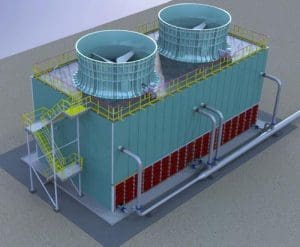
A cooling tower is a heat rejection device that rejects waste heat to the atmosphere through the cooling of a water stream to a lower temperature. (Image courtesy Yamantho Supply)
Local harm vs. global balancing. A company can “balance” water use on paper while a specific community continues to experience depleted flows, higher temperatures, or stressed aquifers. Microsoft’s own materials emphasize basin context, but critics argue that corporate balancing can still leave local losers if siting and withdrawals aren’t constrained.
What counts as the company’s water use? The most contentious fights often involve indirect “secondary” water use, especially water consumed to produce the electricity that powers data centers. Reporting boundaries can dramatically change the footprint.
A leaked internal document reported by The Guardian described how Amazon strategized about limiting disclosure to “primary” data-center water use, while water consumed upstream, including for electricity, could make the footprint far larger—a gap critics called misleading.
Offsets can be real, but they may still not be equivalent. Replenishment projects can take years, depend on uncertain hydrology, and may not restore water in the same season, watershed, or form (surface vs. groundwater) as the withdrawal.
The bottom line: “water positive” can be meaningful only if it’s paired with strict local protections, transparent accounting boundaries, and project-by-project disclosure, not just a global net claim.
What good regulation could look like
Water regulation for data centers tends to be patchy because the industry straddles categories—part building, part industrial cooling, part utility-scale energy customer. A strong framework typically includes:
1) Transparent water accounting (public, facility-level).
Require reporting of:
- total withdrawals (source and volume)
- consumptive use (what’s evaporated and not returned)
- discharge volume and chemistry (including cooling-tower blowdown)
- drought-period operations
A recurring theme in current disputes is that communities feel blindsided, discovering the scope only after permits or notices appear. In a blow to state residents, West Virginia lawmakers eliminated local authority to regulate data centers and similar projects.
2) Withdrawal permits tied to watershed limits, not just property rights.
Good rules treat water as a shared system:
- caps or tiered limits during low-flow periods
- groundwater modeling requirements where wells are used
- mandatory use of reclaimed water where feasible
3) NPDES permits that match the reality of cooling systems.
When discharging to waters, permits should address:
- blowdown constituents (not just basic parameters)
- enforceable monitoring frequency
- contingency plans for treatment failures and chemical upsets
4) Thermal protections and intake safeguards where applicable.
Clean Water Act tools already exist for thermal discharge evaluation and for limiting impacts from cooling-water intakes (316(b) and related requirements). The issue is consistent application and modernized assumptions as new large loads appear.
5) Land-use and local-control alignment.
Even perfect discharge limits don’t answer: Should this facility be here? Several recent conflicts in West Virginia have centered on the extent to which state policy constrains local authority over siting and oversight of large data-center-linked developments.
Why Appalachia and what it could mean for streams
Developers are increasingly interested in Appalachia for a mix of infrastructure and economics:
- Existing energy corridors and generation legacy (including sites and transmission shaped by decades of extractive industry), now repurposed for new large loads.
- Proximity to big East Coast networks without the same land prices as major hubs.
- Policy moves aimed at attracting data infrastructure, including highly publicized fights over how much control local governments retain.
- For Appalachian watersheds, which are often defined by small, high-quality headwater streams, the stakes are unusual. These systems can be more sensitive to lowered base flows, temperature changes, and cumulative withdrawals from multiple facilities clustered in a region
- And because many proposed projects are large, the risk is less “one bad actor” than death by a thousand permits: each discharge is legal on its own, but collectively reshaping stream ecology and community water security.
The new resource question
Appalachia knows what it looks like when an outside economy arrives to extract a resource and leave the costs behind. The region’s data-center debate is, at heart, an argument over whether water and local governance will be protected before the boom or only after the harm is visible.
Note: The bill that eliminated local authority over data centers in West Virginia was House Bill 2014, introduced at the request of Republican Gov. Patrick Morrisey and carried by Republican lawmakers, including Del. Clay Riley (R-Harrison) in the House, with support from the GOP majority in the legislature to streamline data center development and attract investment without local government interference.
Data centers collide with West Virginia’s new profitable remote-work, recreation brand
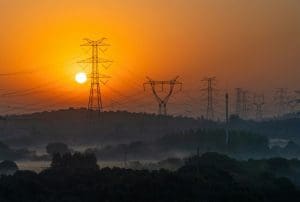
Critics warn that data centers will strain local infrastructure, raise electricity bills, and undermine the very qualities that draw investment.
CHARLESTON, W.Va. — West Virginia has spent the past decade successfully selling itself as a place where people can trade traffic for trailheads. Now, a different kind of growth is knocking at its door—one that gives power back to outside interests: industrial-scale data centers and the power plants and transmission upgrades needed to feed them.
Data center supporters call it a once-in-a-generation chance to diversify the economy, modernize broadband, and capture a share of the fast-growing demand for cloud computing and artificial intelligence. READ THE FULL STORY HERE.

Inside Appalachian Escapes: Themed rentals, escape rooms, and a love letter to West Virginia
FAYETTEVILLE, W.Va. — What began as a search for an affordable retirement option has turned into one of southern West Virginia’s most imaginative...
West Virginia bottler wins silver award at international water competition
BERKELEY SPRINGS, W.Va. — Le Sage Natural Water, of Lesage, has been awarded a silver medal for its purified water at the 36th annual Berkeley...
West Virginia uniquely prepared to dominate 21st-century outdoor economy
CHARLESTON, W.Va. — West Virginia is uniquely prepared to dominate in the 21st-century outdoor economy of the U.S., thanks to its unmatched...
Flood risk outpaces warnings, advocates say, as W.Va. considers changes to resiliency fund
CHARLESTON, W.Va. — As the W.Va. House of Delegates considers changes to Senate Bill 390, the West Virginia Rivers Coalition warns that the state...
Inaugural W.Va. Outdoor Economy Summit to unite leaders around $2.1 billion growth
CHARLESTON, W.Va. — West Virginia’s outdoors are more than a scenic backdrop. They’re a strategic economic asset. That message will take...
West Virginia State Parks Foundation launches online merchandise store
HURRICANE, W.Va. — The West Virginia State Parks Foundation has launched an official online merchandise store, offering supporters a new way to...
West Virginia Travel Safety: What it means for residents and visitors in 2026
CHARLESTON, W.Va. — Travel safety in West Virginia is shaped less by headline-grabbing crime and more by geography, weather, and the realities of...
Did Abraham Lincoln and Jefferson Davis secretly meet in West Virginia?
PHILIPPI, W.Va. — Did Abraham Lincoln and Jefferson Davis secretly meet in what is now West Virginia just days after the first land battle of the...
Study finds WVU and its health system account for 17% of West Virginia’s economy
MORGANTOWN, W.Va. — West Virginia University and the WVU Health System together generate $14.3 billion in annual economic impact in West Virginia,...