History / Prehistory

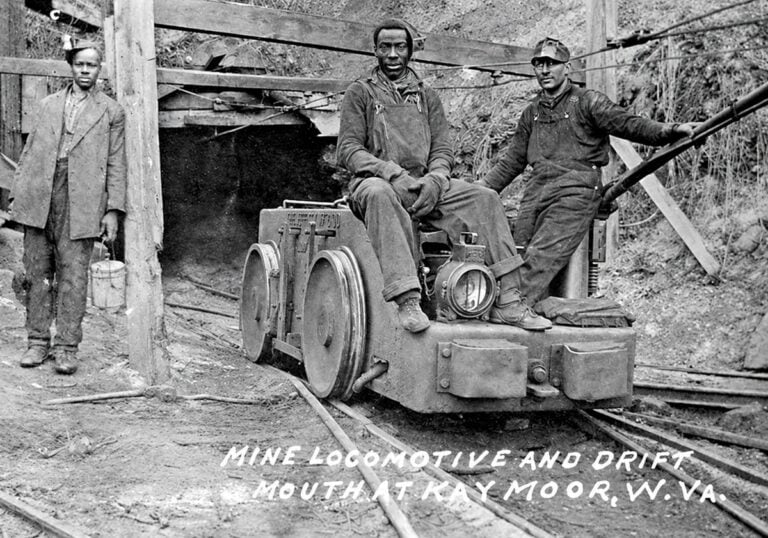
The history and prehistory of West Virginia reveal a fascinating journey from ancient Native American cultures to its role in America’s story. Prehistoric sites, such as the Grave Creek Mound, showcase the region’s mound-building cultures that left behind impressive burial mounds and earthworks. Later, European settlers ventured into the rugged Appalachian Mountains, forging frontier communities and thriving amidst challenging terrain. During the American Civil War, West Virginia famously seceded from Virginia to remain loyal to the Union, becoming the 35th state in 1863. Coal mining played a vital role in shaping West Virginia’s economy and identity, fueling America’s industrial growth and leaving a lasting legacy in the state’s communities and culture. Today, visitors can explore historic towns, Civil War battlefields, and preserved pioneer homesteads that tell the rich, enduring story of West Virginia’s resilient spirit and deep mountain roots.

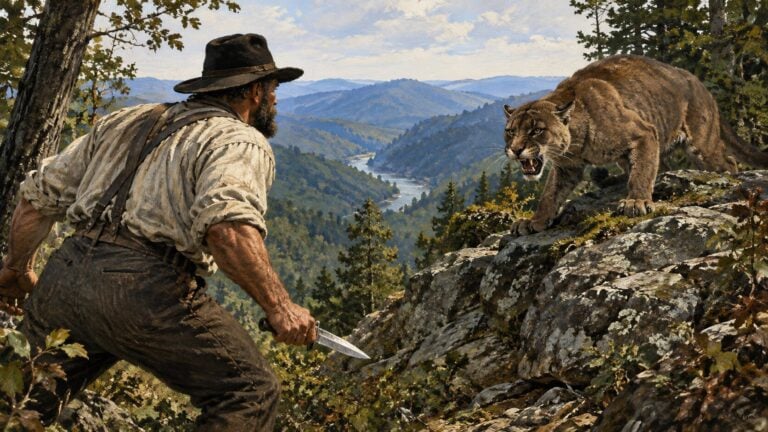
Alone in the vast Appalachian wilderness, Jenny Wiley follows a rocky mountain stream toward freedom in this imagined late nineteenth-century-style wood engraving inspired by her legendary escape.

Before West Virginia, there was wilderness: Why Appalachia still remembers Jenny Wiley

BIG SANDY VALLEY, W.Va. — Long before West Virginia became a state, before railroads climbed its mountains or highways threaded its valleys, the Appalachian wilderness began where civilization ended. To Americans living in Philadelphia or the young nation’s capital on the Potomac, the mountains beyond the Blue Ridge marked the edge of the known world. … Read more

Wounded Confederate Capt. DeLaguel receives water and shelter from the White family after reportedly crawling for three days through the Allegheny wilderness following the Battle of Rich Mountain in July 1861. The scene is based on a long-preserved Randolph County tradition. (WVExplorer illustration)

The wounded captain who crawled off Rich Mountain

BEVERLY, W.Va. — Every battlefield has its stories. Some are preserved in military reports and official records, while others endure because generations of local families refused to let them be forgotten. Among the most enduring tales from the Battle of Rich Mountain is that of Confederate Capt. DeLaguel, who, according to Randolph County tradition, spent … Read more

Before air conditioning became widespread, families across West Virginia escaped oppressive summer heat by gathering at cool mountain streams, a tradition that reached its peak during the record-breaking heat waves of the early 1900s and Dust Bowl era.

How hot can West Virginia get? A look at the Mountain State’s worst heat waves

CHARLESTON, W.Va. — As another round of dangerous summer heat settles across much of the eastern United States, many West Virginians will find relief in the Mountain State’s mountains, forests, and cool streams. Yet history shows that the state has endured some of the nation’s most remarkable heat waves, including two days when temperatures soared … Read more

Visitors gather around the historic bandstand in Berkeley Springs State Park, where many first-time travelers discover that the town's official name is actually Bath, a distinction that has endured since 1776. (WVExplorer photo)

Why visitors to Berkeley Springs in eastern West Virginia keep asking, “Where’s Bath?”

BERKELEY SPRINGS, W.Va. — It happens often enough that locals know where the conversation is headed. A visitor walks into a shop or hotel and asks a front-desk clerk a seemingly simple question: “So, where is Bath?” The answer usually surprises them: “You’re in Bath.” Although the Morgan County community is widely known as Berkeley … Read more

The Mingo Statue has greeted travelers atop Wheeling Hill since 1928. Created by Wheeling artist Henry Beu, the monument honors Native peoples associated with the Ohio Valley and remains one of the city's most recognizable landmarks. (Photo: David Sibray)

The story behind Wheeling’s Mingo statue is more complicated than most people realize

WHEELING, W.Va. — For nearly a century, a bronze Native American figure standing atop Wheeling Hill has greeted travelers arriving in the Ohio Valley. Known simply as “The Mingo,” the statue is among Wheeling‘s most recognizable landmarks. Thousands of motorists pass it each year without realizing that the monument represents a people whose history is … Read more

An illustration depicts the ceremonial landscape that once surrounded Grave Creek Mound in present-day Moundsville, where archaeologists say earthworks and plazas formed one of the Ohio Valley's most significant prehistoric ceremonial centers. (Illustration: Chris Kennedy)

Evidence indicates Grave Creek Mound stood at center of a major ceremonial landscape

MOUNDSVILLE, W.Va. — Today, visitors standing at the overlook in Grand Vue Park can see the broad basin surrounding Grave Creek Mound, the largest conical burial mound in the United States. From this vantage point, they can perhaps begin to imagine the prehistoric landscape that once occupied the valley. According to archaeologist Hank D. Lutton, … Read more