
MORGANTOWN, W.Va. — The upcoming launch of a new transportation center at West Virginia University will direct $1.5 million in federal funding toward the development of mobility solutions for transportation challenges faced by rural residents.
Beginning this summer, the school's Sustainable Mobility and Accessibility Regional Transportation Equity Research Center, also known as SMART, will position the state to take advantage of cutting-edge technologies like self-driving cars within the next decade, according to lead researcher and assistant professor Kakan Dey.
Dey said the funds from the U.S. Department of Transportation will go toward ensuring the most remote, economically distressed communities have equitable access to mobility.
“In West Virginia, our primary mobility challenges come from rural settings and affect low-income communities,” Dey said.
“Low-income households that don’t own automobiles are compromised in both their quality of life and economic opportunity, but solutions like transit services are not economically viable without sufficient ridership.”
Knowing that public buses make little financial sense in rural areas and that many low-income residents can’t afford vehicles to get to jobs, supermarkets or doctors’ offices, Dey sees emerging technologies like self-driving, electric cars and ride-sharing services as ways to improve those lives substantially.
Dey said he thinks enabling someone to use an application to snag a carpool spot in a lightweight, self-driving automobile is more sustainable—economically and environmentally— than current transportation infrastructure dominated by personal auto ownership and large, often primarily empty, buses that travel fixed routes on fixed schedules.
Even in areas where buses do run, Dey said the first- and last-mile problem is a major challenge, referring to the difficulty of getting from home to the pick-up bus stop, then getting from the drop-off bus stop to the final destination.
He believes lessons learned in West Virginia about challenges like that can help build the template for other states’ attempts to bring mobility to rural areas.
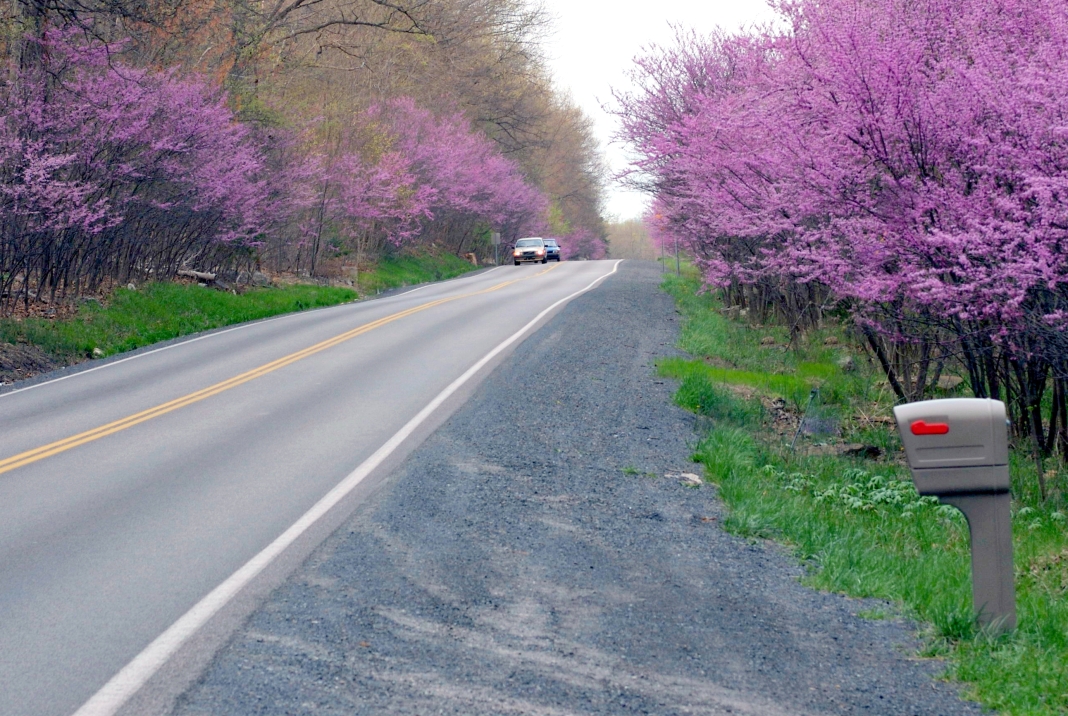
Dey is aware that investing research in advanced technologies may seem counterintuitive in a state where out-of-state tourists’ electric vehicles have been known to run out of battery while traveling the many miles between charging stations and where plenty of places lack not just high-speed internet but cell phone service, too. The center is ready to tackle those challenges, he said.
“[The center] will develop mobility solutions that address infrastructure barriers, like the suitability of rural roads for self-driving cars, as well as technology barriers like the lack of broadband and cellular connectivity, lack of access to smartphones, and demographic characteristics such as a higher percentage of people with disabilities.
"We want to ensure that emerging mobility solutions are accessible to all people,” he said.
Researchers will investigate the concept of “mobility as a service,” looking at approaches that incorporate multiple modes of transportation, including on-demand transit such as a taxi or Uber, ride-sharing, where someone who’s driving themselves somewhere in their car takes along one or more passengers for a fee, carpooling, where multiple customers share a single vehicle, bike sharing, e-scooters and more.
Dey and colleagues David Martinelli and Dimitra Pyrialakou of the Wadsworth Department of Civil and Environmental Engineering will work closely with stakeholders such as Mountain Line Transit, the West Virginia Department of Highways, the Morgantown/Monongalia Metropolitan and Planning Organization.
Dey said the center intends to form partnerships to provide continuing education as it seeks to increase the mobility workforce from rural communities. It will also collaborate with Statler College programs for K-12 students and with Statler’s skilled trades apprenticeship program to develop talent and interest in transportation careers among diverse and underrepresented groups.
With other similar centers in states throughout the mid-Atlantic region, led by Baltimore's Morgan State University, WVU SMARTER will innovate the sustainability and equity of mobility services across underserved communities over the next five years.
“We need transportation services to do most activities in our everyday lives,” Dey said.
“For rural communities, where options are often very limited, mobility can be a lifeline. In these remote areas, there’s a very real societal impact we can make, and our research has the potential to change lives significantly. That promise and the vision we have is very exciting for us.”
Micaela Morrissette, Research Writer for WVU Research Communications, contributed this story.
Sign up to receive a FREE copy of West Virginia Explorer Magazine in your email weekly. Sign me up!


