







How a violent West Virginia textbook battle helped redefine U.S. education
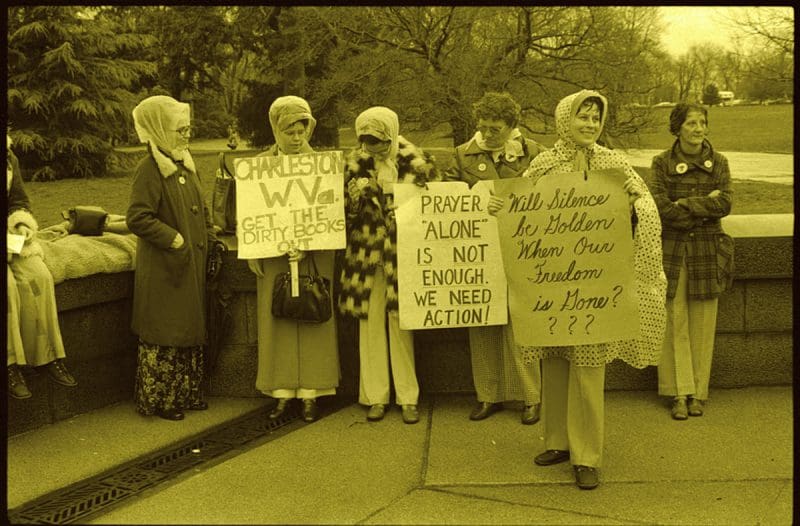
CHARLESTON, W.Va. — In the spring of 1974, an unassuming school board meeting in Kanawha County ignited a tempest that would engulf classrooms, coal mines, homes, and headlines in a bitter clash over textbooks and values.

It was no ordinary curriculum dispute. It erupted into what historians and educators recall as one of the most violent and defining educational controversies in U.S. history.
Setting the Stage: A Rift in Values and Expectations
West Virginia’s most populous county, Kanawha County, home to some 46,000 students across 124 public schools, had long navigated the currents of Appalachian tradition, family-centered religiosity, and a tightly knit rural culture.
Yet, the broader social shifts of the late 1960s and early 1970s—civil rights, expanded multiculturalism, and emerging progressive pedagogies—began to brush uneasily against this backdrop.
In April 1974, a state-sanctioned English Language Arts committee recommended 325 new textbook titles for adoption—selected with an eye toward being “multicultural in content and authorship,” reflecting evolving educational mandates.
Among these were canonical works and potent autobiographical texts like Soul on Ice by Eldridge Cleaver and The Autobiography of Malcolm X by Malcolm X and Alex Haley, as well as works by Plato, Sigmund Freud, and F. Scott Fitzgerald.
Alice Moore: The Catalyst of Concern
Alice Moore, a fundamentalist Christian and the wife of a local minister, was the dissenting voice on the five-person school board. Elected in 1970 on an anti-sex-education platform, she lacked formal higher education but wielded strong convictions.
She objected not only to passages she deemed disrespectful toward Christianity and patriotism but also to the inclusion of dialect that she believed would elevate Appalachian or African American Vernacular English to equal standing with standard English.
Moore claimed she was “offended by a quote from the Autobiography of Malcolm X in which he referred to Christians as ‘brainwashed,’” and flagged other content she deemed immoral or unpatriotic.
She also sought guidance from Mel and Norma Gabler, conservative Christian textbook watchdogs, and rallied more than 12,000 signatures and support from 27 ministers to oppose the books.
Escalation: From Protest to Boycott
Despite Moore’s objections and mounting opposition, the school board voted 3–2 in June to adopt most of the textbooks, delaying only a minority of 35 titles, placing them in libraries only accessible with parental permission.
The fallout was immediate. As school began in September 1974, approximately 20% of the student population — around 9,000 of 45,000 elementary school students — stayed home in protest. According to the New Yorker, which devoted much coverage to the controversy, this boycott was particularly effective in rural portions of the county.
Simultaneously, about 3,500 coal miners initiated a wildcat sympathy strike in solidarity with the school protests, shutting down regional mines and pumping more momentum into the movement.
Protest rallies had the atmosphere of revival meetings, but defied the calm of scripture: this was social upheaval, convulsing the county along lines of class, race, and tradition.
The Violence Unfolds
By late fall 1974, soft dissent turned hard conflict. Bombings detonated at the Board of Education building and various schools near Charleston. School buses were shot at. Homes of students attending school were vandalized. And some protesters were injured during clashes.
Reverend Marvin Horan was convicted in connection with the bombings, one among several demonstrators arrested and imprisoned between 1974 and 1975.
The New Yorker labeled it “class warfare,” noting that within a week of the miners’ strike, shootings and beatings had occurred, forcing the closure of schools in Kanawha and nearby counties.
Similar accounts revealed snipers firing at police escorts and the Klan holding rallies, with threats leveled: “Remove the textbooks or we’ll remove you from office—physically.”
Media, Outside Influence, and Political Aftermath
News coverage was intense and urgent. Media attention drew national attention—from 60 Minutes, Donahue, and the National Education Association, which later conducted inquiries into the protest.
Right-wing and extremist organizations, including the John Birch Society, Citizens for Decent Literature, and the Ku Klux Klan, inserted themselves into the conflict—providing materials, legal aid, funding, and even public rallies.
At the same time, the National Education Association inquiry noted that local protests would likely not have escalated so deeply without such outside involvement.
Alice Moore and other protest leaders would later be acknowledged as early figures in the political mobilization of conservative evangelical activism.
Moore herself later received a “Courageous Christian Leadership” award for her role and was recognized by conservative media as a precursor to the Tea Party movement—and, intriguingly, as a key early moment in the ascent of the New Right.
Resolution and Legacy
The crescendo of violence and societal division gradually waned by early 1975. Courts issued injunctions to restore school operations; many protest leaders faced legal consequences; and the Board of Education ultimately reinstated the full slate of textbooks it had originally approved, though the most controversial titles remained in libraries accessible only with parental consent.
In the aftermath, new dynamics emerged: Christian private schools proliferated throughout West Virginia; the influence of conservative textbook oversight deepened; and educational debates became enduring flashpoints in the culture wars.

Alice Moore Re-election Poster
The New Yorker’s 1974 commentary captured the moment’s volatility: “The protest … was class warfare,” and its shockwaves reached far beyond Kanawha’s hills
What began as a routine textbook adoption became a national flashpoint—a combustible mix of culture, class, and curriculum. Kanawha County, once a quiet Appalachian enclave, became a battleground where education became a focal point of ideological struggle.
This controversy foresaw the polarization of American school politics. It catalyzed Christian conservative mobilization and prefigured decades of textbook battles, curriculum debates, and the politicization of pedagogy. The echoes of those rallies, strikers, and bombed schoolrooms still resonate in debates over what children learn and who gets to decide.
Find out more about the Kanawha County Textbook War:
The following sources of further information are available through the West Virginia Archives.
- “County Schools Closed In Face of Text Fight”
- “United Parcel Worker Shot At Rand”
- “Moore, Melton Sniping Catches Public In Middle”
- Letter on Kanawha County Textbook Controversy, Sc93-3
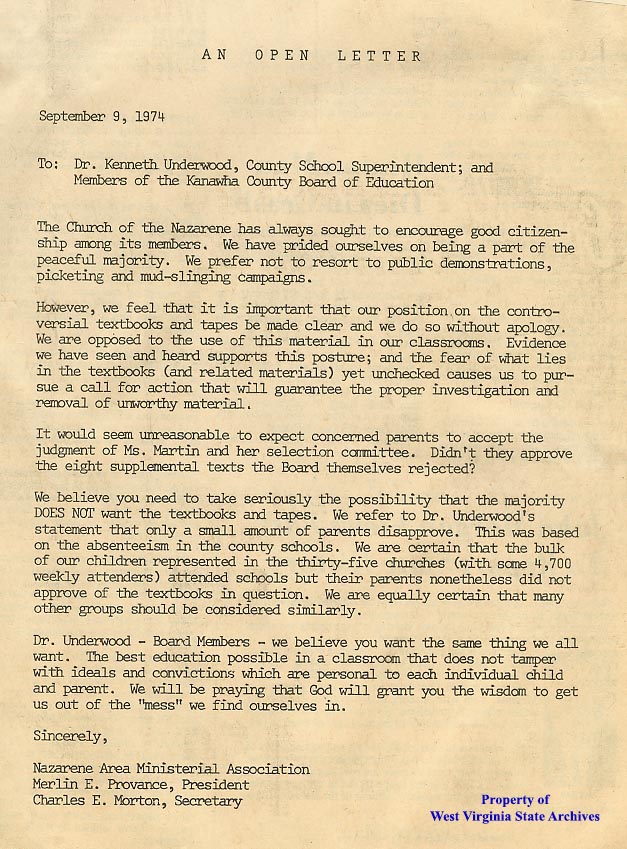
- Open Letter to Superintendent Underwood
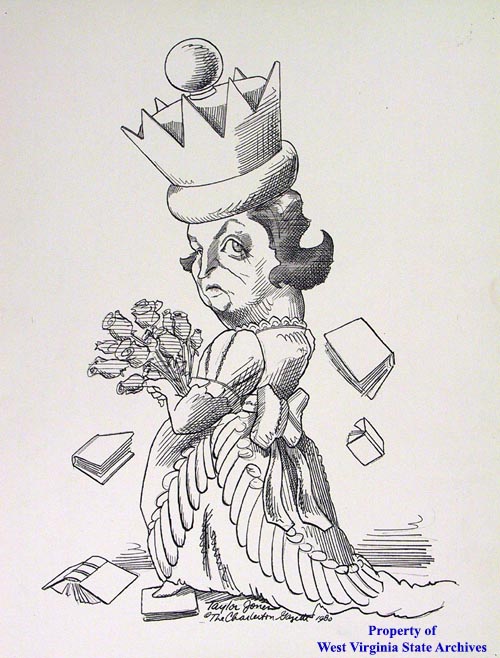
- Caricature of Alice Moore by Taylor Jones
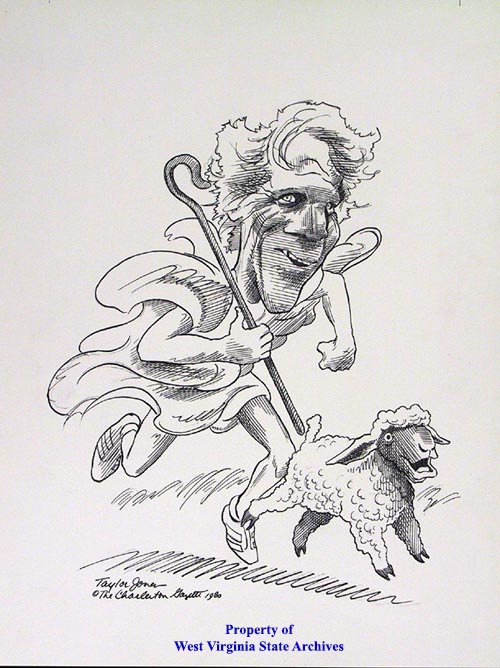
- Caricature of Rev. Jim Lewis by Taylor Jones
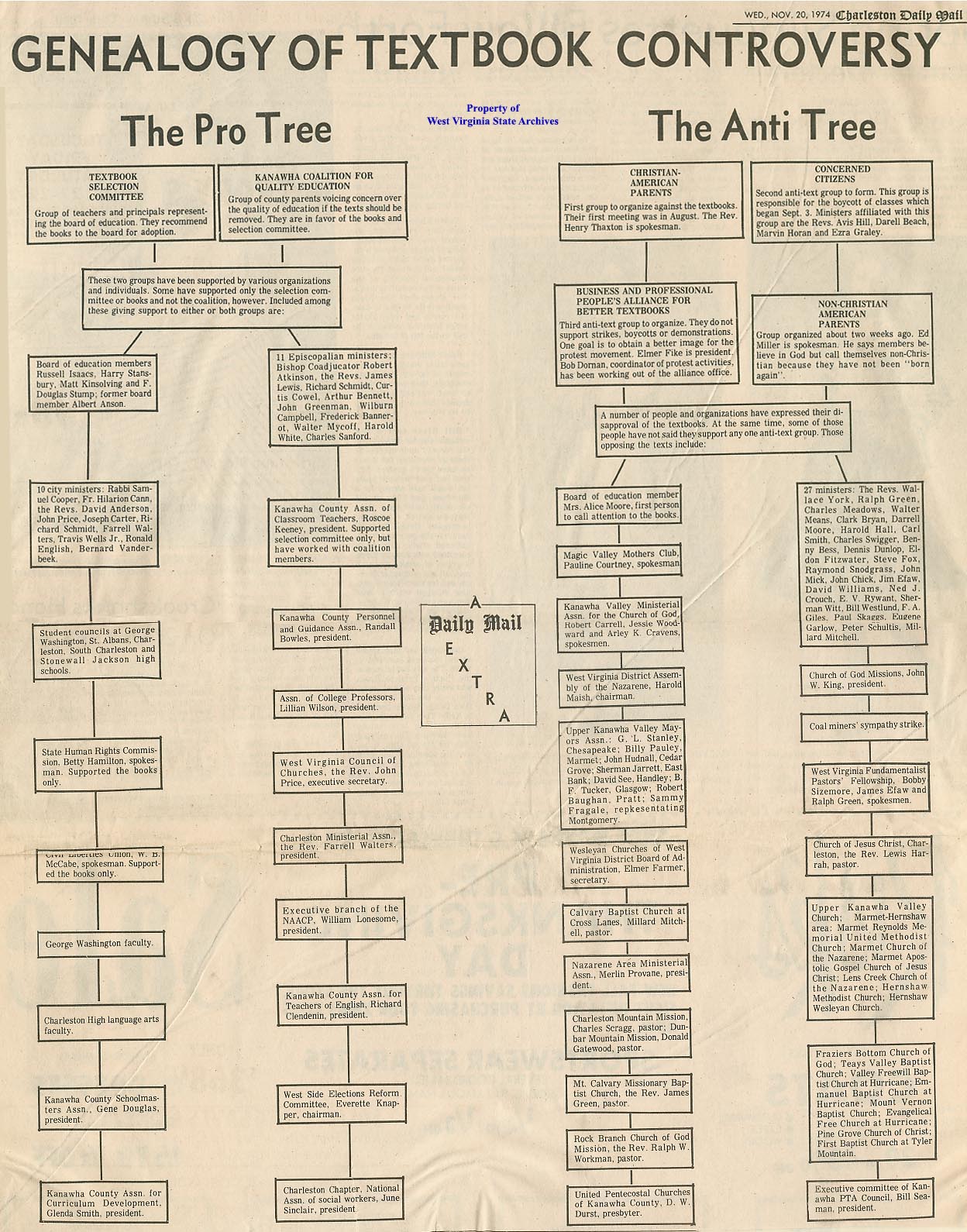
- Tree of Two Sides in Kanawha County Textbook Controversy
- Video Clip of the Kanawha County Textbook Controversy

Inside Appalachian Escapes: Themed rentals, escape rooms, and a love letter to West Virginia
West Virginia bottler wins silver award at international water competition
BERKELEY SPRINGS, W.Va. — Le Sage Natural Water, of Lesage, has been awarded a silver medal for its purified water at the 36th annual Berkeley...
West Virginia uniquely prepared to dominate 21st-century outdoor economy
CHARLESTON, W.Va. — West Virginia is uniquely prepared to dominate in the 21st-century outdoor economy of the U.S., thanks to its unmatched...
Flood risk outpaces warnings, advocates say, as W.Va. considers changes to resiliency fund
CHARLESTON, W.Va. — As the W.Va. House of Delegates considers changes to Senate Bill 390, the West Virginia Rivers Coalition warns that the state...
We asked AI how its own data centers could pollute West Virginia. Here’s what it had to say
(The following article was generated partly by ChatGPT in response to a prompt about how data centers pollute. As ChatGPT is powered by data...
Inaugural W.Va. Outdoor Economy Summit to unite leaders around $2.1 billion growth
CHARLESTON, W.Va. — West Virginia’s outdoors are more than a scenic backdrop. They’re a strategic economic asset. That message will take...
West Virginia State Parks Foundation launches online merchandise store
HURRICANE, W.Va. — The West Virginia State Parks Foundation has launched an official online merchandise store, offering supporters a new way to...
West Virginia Travel Safety: What it means for residents and visitors in 2026
CHARLESTON, W.Va. — Travel safety in West Virginia is shaped less by headline-grabbing crime and more by geography, weather, and the realities of...
Did Abraham Lincoln and Jefferson Davis secretly meet in West Virginia?
PHILIPPI, W.Va. — Did Abraham Lincoln and Jefferson Davis secretly meet in what is now West Virginia just days after the first land battle of the...
Study finds WVU and its health system account for 17% of West Virginia’s economy
MORGANTOWN, W.Va. — West Virginia University and the WVU Health System together generate $14.3 billion in annual economic impact in West Virginia,...