











West Virginia Explorer

Black bear harvest remained steady in West Virginia in 2025 as predicted

January 26, 2026

Will Reedy

CHARLESTON, W.Va. — West Virginia hunters harvested 2,469 black bears during the combined 2025 archery, crossbow, and firearms seasons, according to preliminary figures released this week by the W.Va. Division of Natural Resources.

The total is nearly identical to last year’s harvest, falling just ten bears short of the 2024 total of 2,479.

Wildlife officials said the results closely followed expectations outlined in the agency’s 2025 Mast Survey and Hunting Outlook, which anticipated lighter harvests during early archery seasons and heavier participation during firearms seasons.


Archery and crossbow harvests dip

During the first segment of the archery and crossbow seasons, which ran from Sept. 27 through Nov. 23, hunters harvested 543 bears statewide. Of those, 252 bears were taken with vertical bows and 291 with crossbows.

The five counties with the highest archery and crossbow harvests were Fayette County (47), Raleigh County (35), Greenbrier County (29), Logan County (28), and Boone County (27), according to the division.

State biologists noted that archery-season harvests were lower than in recent years, a trend attributed in part to mast availability and early-fall bear movement patterns.


Firearms season sees sharp increase

In contrast, the firearms season produced 1,925 bears, marking a 22 percent increase from the 1,580 bears harvested during firearms seasons in 2024.

That total included bears taken across multiple segments, including early September and October firearms seasons, youth and Class Q/XS seasons, the concurrent deer-bear season, early firearms seasons, and the traditional December bear season.

The December firearms season alone accounted for 1,129 bears, making it the most productive segment of the year. An additional 290 bears were harvested during the concurrent buck-gun bear season, while one bear was taken during the Mountaineer Heritage Season using a muzzleloader.


Boone, Kanawha lead firearms harvests

The counties with the highest firearm harvests in 2025 were Boone County (169 bears), Kanawha County (136), Randolph County (124), Webster County (122), and Pocahontas County (102).

Across the state, central and southern counties continued to account for the largest share of the overall harvest, reflecting strong bear populations in forested Appalachian terrain.


Where Bears Were Harvested in 2025

Black bear harvests in 2025 were concentrated in central and southern West Virginia, where large forest blocks and mast-producing hardwoods support strong bear populations.

  • Southern coalfield counties, including Boone, Logan, Raleigh, and Wyoming, continued to post some of the highest totals statewide.
  • High-elevation mountain counties such as Randolph, Pocahontas, and Webster also ranked among the leaders, particularly during the December firearms season.
  • Eastern Panhandle counties recorded comparatively lower harvests, reflecting smaller bear populations and limited habitat.

Statewide totals and management goals

Overall, the statewide harvest broke down as follows: 543 bears taken during archery and crossbow seasons, 506 bears during early gun seasons, 290 during the buck-gun season, 1,129 during the December firearms season, and one bear during the Mountaineer Heritage Season, for a total of 2,469 bears.

You’ll find a county-by-county report here: 2025-Black-Bear-Harvest

Officials said the harvest levels remain consistent with the agency’s long-term bear management goals, which aim to maintain a healthy, sustainable population while reducing human-bear conflicts in areas with growing bear numbers.


Regulations and licensing information

Hunters seeking more information about black bear hunting opportunities in West Virginia can consult the W.Va. Hunting and Trapping Regulations Summary, available at wvdnr.gov/hunting-regulations. Hunting licenses may be purchased online through WVHunt.com.


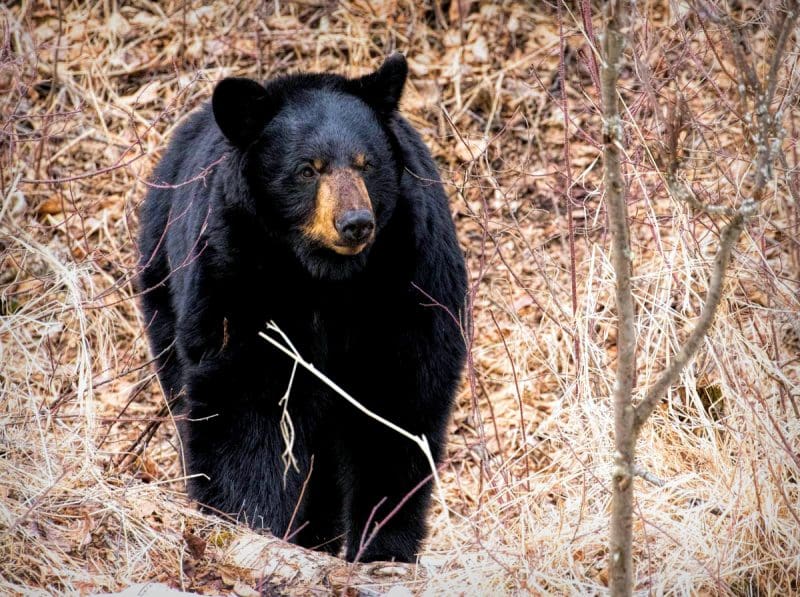
Black bears in West Virginia

Black bears are now found in all 55 counties of West Virginia, marking one of the most successful wildlife recoveries in the state’s history. Once largely confined to remote mountain forests, they have steadily expanded their range over the past several decades as forest cover regenerated, food sources improved, and science-based wildlife management took hold.

According to the division, breeding populations are established across much of the state, with regular sightings reported even in counties that historically had few or no bears. While the highest densities remain in heavily forested regions of central and southern West Virginia, bears are increasingly common near agricultural lands and residential areas, a sign of both population growth and adaptability.

State biologists emphasize that regulated hunting seasons play a key role in managing bear numbers, reducing human-bear conflicts, and maintaining a healthy, sustainable population statewide.