




West Virginia State Parks Foundation launches online merchandise store
HURRICANE, W.Va. — The West Virginia State Parks Foundation has launched an official online merchandise store, offering supporters a new way to celebrate West Virginia’s parks while directly supporting projects across the state park system.

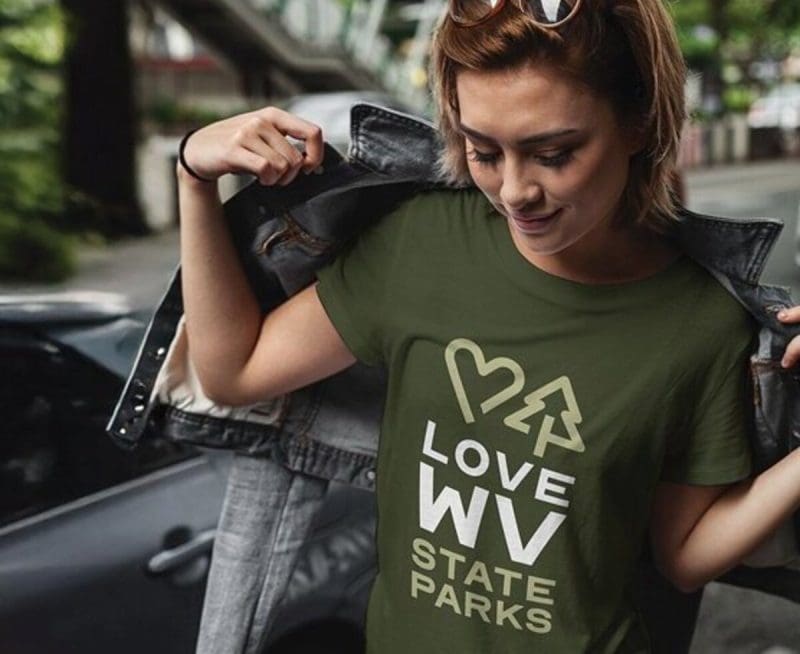
The online shop features T-shirts and sweatshirts showcasing the distinctive “Love WV State Parks” logo, highlighting the state’s parks, forests, and rail trails. Proceeds from merchandise sales will support park awareness, advocacy, maintenance, and improvement initiatives throughout West Virginia.
“We’re thrilled to offer people from across the country a convenient way to wear their love for West Virginia State Parks,” said Brad Reed, executive director of the foundation. “Not only will our merchandise showcase your West Virginia pride, but every purchase also helps fund awareness, advocacy, maintenance, and improvement projects throughout our park system.”
The foundation works in partnership with West Virginia State Parks to help deliver memorable outdoor experiences for an estimated 10 million visitors each year. Its mission focuses on encouraging residents and tourists alike to explore nature, slow down, and create lasting family memories, while supporting high-quality park facilities across the state.
An independent 501(c)(3) nonprofit organization, the foundation provides leadership in communication, funding, and advocacy in collaboration with individual park foundations across the state.
In addition to purchasing merchandise, supporters are encouraged to get involved through donations, volunteering, or other opportunities to support the “Love WV State Parks” initiative.
The online merchandise store is available at LoveWVStateParks.com.
History of West Virginia State Parks
West Virginia’s state park system traces its roots to the Great Depression, when federal New Deal programs helped lay the groundwork for public outdoor recreation across the state.
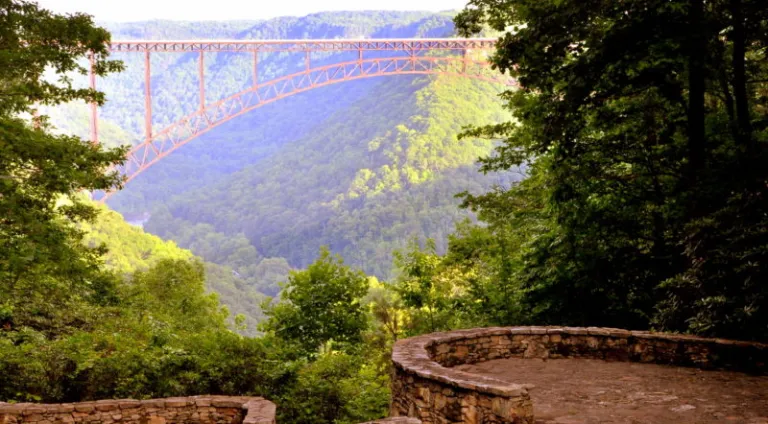
The legendary overlook at Coopers Rock State Forest offers a view of more than 30 miles across the Monongahela River valley. (Photo courtesy W.Va. State Parks)
In the 1930s, the Civilian Conservation Corps and Works Progress Administration built lodges, cabins, trails, and roads in some of West Virginia’s most scenic landscapes, establishing parks such as Watoga, Blackwater Falls, and Pipestem.
These early efforts reflected a growing national belief that access to nature was both a public good and an economic asset, providing jobs during hard times while preserving forests, rivers, and mountain vistas for future generations.
In the decades that followed, the system expanded and modernized, evolving into one of the nation’s most comprehensive state park networks. Today, the state park system encompasses more than 30 parks, forests, and rail trails, offering everything from historic lodges and championship golf courses to remote backcountry experiences.
Guided by a conservation-first philosophy, the system has balanced tourism growth with environmental stewardship, helping shape West Virginia’s identity as an outdoor destination while preserving the natural and cultural heritage that defines the Mountain State.
Why West Virginia’s state parks matter now more than ever
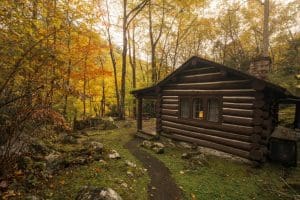
Few assets owned by West Virginians generate as much pride or economic return as its state parks. (Photo courtesy W.Va. State Parks)
CHARLESTON, W.Va. — As the 100th anniversary of West Virginia’s state park system approaches, officials say the network of 48 parks and forests has become an essential pillar of tourism, conservation, and community development.
Few assets owned by West Virginians generate as much pride or economic return as its state parks and forests, according to Brad Reed, Sr., executive director of the West Virginia State Parks Foundation.
“West Virginia state parks might be the best idea this state ever had,” Reed said. “They protect the places that define us while creating opportunities that strengthen every community.” READ THE FULL STORY HERE.

Inside Appalachian Escapes: Themed rentals, escape rooms, and a love letter to West Virginia
West Virginia bottler wins silver award at international water competition
BERKELEY SPRINGS, W.Va. — Le Sage Natural Water, of Lesage, has been awarded a silver medal for its purified water at the 36th annual Berkeley...
West Virginia uniquely prepared to dominate 21st-century outdoor economy
CHARLESTON, W.Va. — West Virginia is uniquely prepared to dominate in the 21st-century outdoor economy of the U.S., thanks to its unmatched...
Flood risk outpaces warnings, advocates say, as W.Va. considers changes to resiliency fund
CHARLESTON, W.Va. — As the W.Va. House of Delegates considers changes to Senate Bill 390, the West Virginia Rivers Coalition warns that the state...
We asked AI how its own data centers could pollute West Virginia. Here’s what it had to say
(The following article was generated partly by ChatGPT in response to a prompt about how data centers pollute. As ChatGPT is powered by data...
Inaugural W.Va. Outdoor Economy Summit to unite leaders around $2.1 billion growth
CHARLESTON, W.Va. — West Virginia’s outdoors are more than a scenic backdrop. They’re a strategic economic asset. That message will take...
West Virginia Travel Safety: What it means for residents and visitors in 2026
CHARLESTON, W.Va. — Travel safety in West Virginia is shaped less by headline-grabbing crime and more by geography, weather, and the realities of...
Did Abraham Lincoln and Jefferson Davis secretly meet in West Virginia?
PHILIPPI, W.Va. — Did Abraham Lincoln and Jefferson Davis secretly meet in what is now West Virginia just days after the first land battle of the...
Study finds WVU and its health system account for 17% of West Virginia’s economy
MORGANTOWN, W.Va. — West Virginia University and the WVU Health System together generate $14.3 billion in annual economic impact in West Virginia,...