






West Virginia uniquely prepared to dominate 21st-century outdoor economy
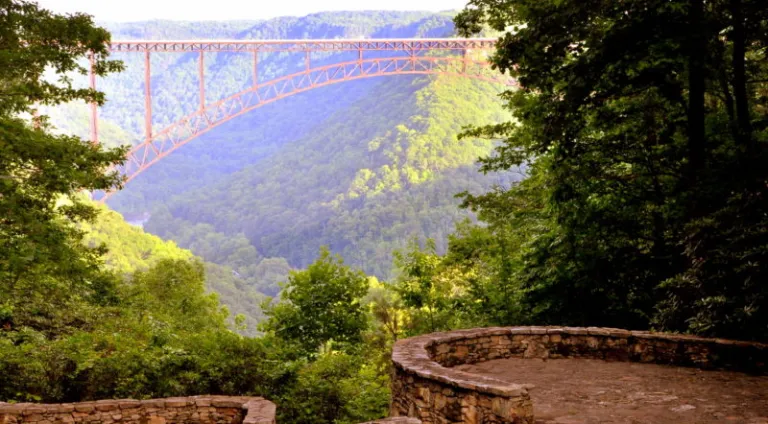
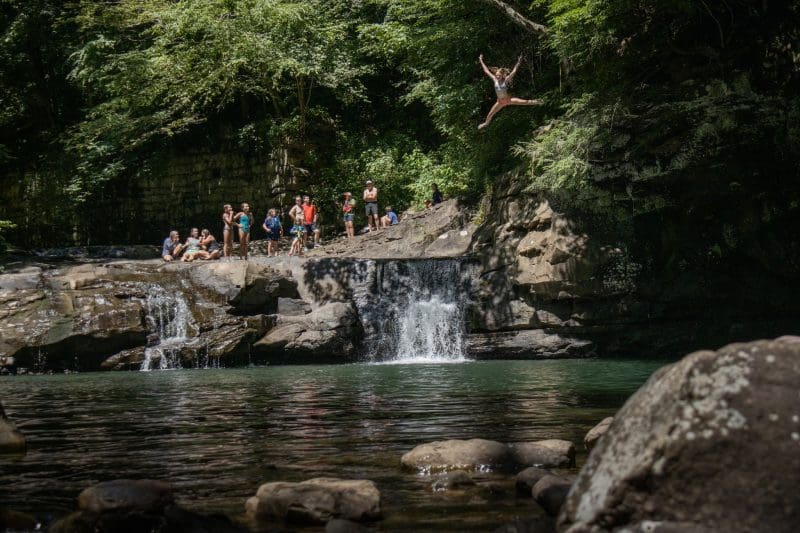
CHARLESTON, W.Va. — West Virginia is uniquely prepared to dominate in the 21st-century outdoor economy of the U.S., thanks to its unmatched potential for outdoor recreation, says a spokesman for The Nature Conservancy.

The state is attracting new residents in record numbers as a result of its capacity for outdoor living, an economic reality as the remote-work revolution sweeps the globe, says Eriks Brolis, director of economic development and strategic initiatives for the conservancy.

Eriks Brolis
A day’s drive from more than half the U.S. population, Brolis says the Mountain State is increasingly a destination for nature-loving tourists and residents—investors who are attracted by its small towns, natural beauty, and access to the outdoors
“West Virginia is vital nationally in terms of outdoor recreation,” says Brolis, whose organization is sponsoring Outdoor Recreation Day at the state capitol on February 19.
The 10 a.m. to 2 p.m. event closes out a week of collaboration in Charleston centered around the West Virginia Outdoor Economy Summit, February 17-18, co-sponsored by the conservancy and the WVU Brad & Alys Smith Outdoor Economic Development Collaborative.
Brolis says the state is a key focus for the nationwide organization, which was established in 1951 to help conserve the natural systems on which people and wildlife depend.
Though to native West Virginians, the state may not appear as important as it is, he says the conservancy considers it vital.
“I don’t think those of us who grew up or visited here necessarily think of West Virginia as being as important as it is, but the Appalachians are one of four global focal places for the conservancy of more than 70, and West Virginia is at its very center.”
In fact, West Virginia is a remarkable place of convergence when considered from a natural perspective, Brolis says.
“West Virginia is where you’ll find the southernmost range of many northern Appalachian species and the northernmost range of many southern Appalachian species,” he says. “The mountains here are a kind of superhighway for both flora and fauna.”
One of the chief reasons the conservancy is sponsoring the summit is the unmatched opportunity for engagement that West Virginia presents. Considering its ability to attract remote workers and new investment, Brolis says his organization can institute initiatives with a greater positive economic impact.
Over the years, The Nature Conservancy has preserved some of West Virginia's chief natural wonders, including Ice Mountain, Cranesville Swamp, and Bear Rocks on the Allegheny Front at Dolly Sods.
Its forest health and restoration initiatives have replenished red spruce woodlands in the Allegheny Mountains and assisted private landowners in improving forest health, entering carbon markets, and providing conservation benefits and economic incentives.
Brolis says one of the most important economic aspects of nature in West Virginia is its ability to build and strengthen communities.
“Nature unites us,” Brolis says. “It’s where people go to relax and recreate. There’s something for all of us to find there, whether we’re picnicking in a local park or scaling Seneca Rocks.”
For more information on The Nature Conservancy, visit Nature.org. For more information on the West Virginia Outdoor Economy Summit, visit WVOutdoorEconomy.com.

Inside Appalachian Escapes: Themed rentals, escape rooms, and a love letter to West Virginia
West Virginia bottler wins silver award at international water competition
BERKELEY SPRINGS, W.Va. — Le Sage Natural Water, of Lesage, has been awarded a silver medal for its purified water at the 36th annual Berkeley...
Flood risk outpaces warnings, advocates say, as W.Va. considers changes to resiliency fund
CHARLESTON, W.Va. — As the W.Va. House of Delegates considers changes to Senate Bill 390, the West Virginia Rivers Coalition warns that the state...
We asked AI how its own data centers could pollute West Virginia. Here’s what it had to say
(The following article was generated partly by ChatGPT in response to a prompt about how data centers pollute. As ChatGPT is powered by data...
Inaugural W.Va. Outdoor Economy Summit to unite leaders around $2.1 billion growth
CHARLESTON, W.Va. — West Virginia’s outdoors are more than a scenic backdrop. They’re a strategic economic asset. That message will take...
West Virginia State Parks Foundation launches online merchandise store
HURRICANE, W.Va. — The West Virginia State Parks Foundation has launched an official online merchandise store, offering supporters a new way to...
West Virginia Travel Safety: What it means for residents and visitors in 2026
CHARLESTON, W.Va. — Travel safety in West Virginia is shaped less by headline-grabbing crime and more by geography, weather, and the realities of...
Did Abraham Lincoln and Jefferson Davis secretly meet in West Virginia?
PHILIPPI, W.Va. — Did Abraham Lincoln and Jefferson Davis secretly meet in what is now West Virginia just days after the first land battle of the...
Study finds WVU and its health system account for 17% of West Virginia’s economy
MORGANTOWN, W.Va. — West Virginia University and the WVU Health System together generate $14.3 billion in annual economic impact in West Virginia,...