
CHARLESTON, W.Va. — Officials at the W.Va. Division of Natural Resources are reminding the public to leave young wildlife alone, noting that handling wild animals can harm them, spread disease, and violate state law.

Brett McMillion, director of the Charleston-based division, says young wildlife can be thrilling to watch, but it’s best to keep interaction to a minimum.
“Watching wildlife is one of the many joys of outdoor recreation in West Virginia,” McMillion said. “When it comes to public safety and what’s best for our native wildlife, it’s always best to not disturb young animals and leave wildlife alone.”
Each spring, McMillions says the division receives calls about fawns, birds, and other young wildlife that may appear abandoned. In most cases, these animals are not orphaned and are behaving as they should in the wild.
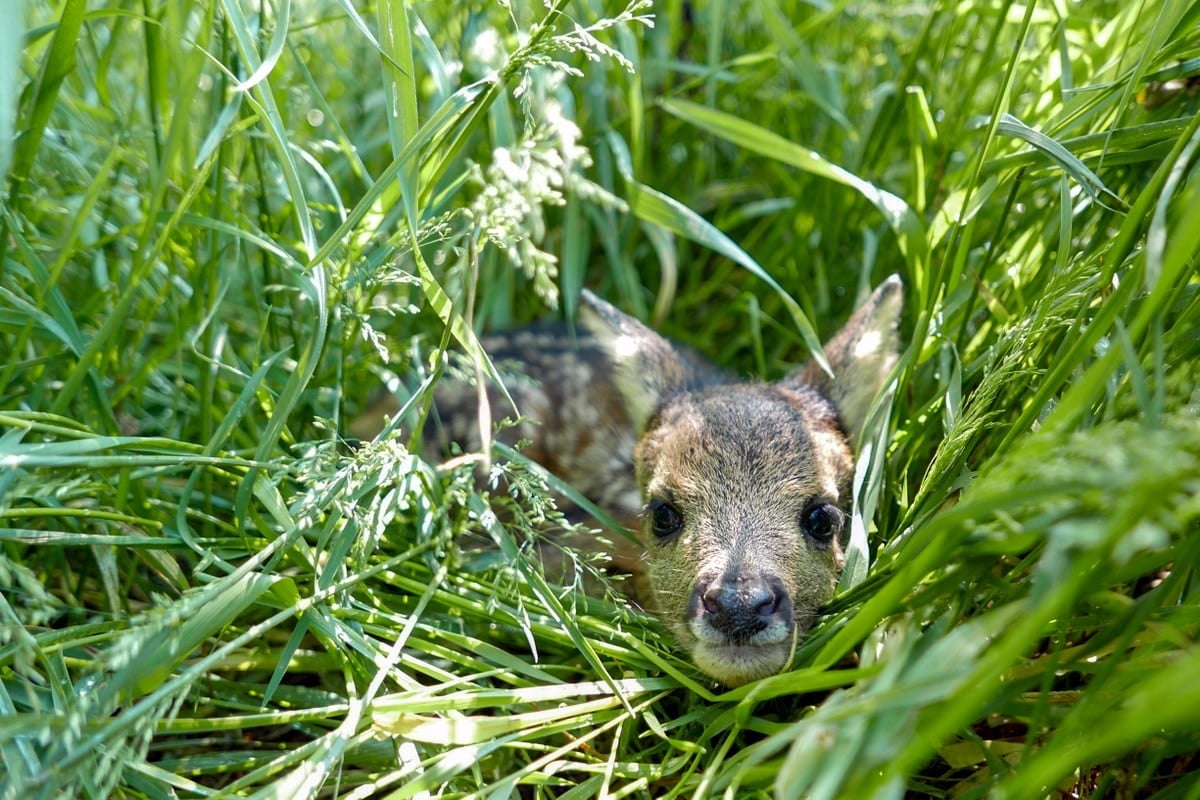
For example, he says, white-tailed deer often leave fawns hidden for hours while they feed. The fawns’ camouflage and lack of scent help protect them from predators. Approaching or handling a fawn can increase its risk of harm.
Similarly, many young birds found on the ground are fledglings learning to fly and should be left alone. Touching, picking up, or even approaching young animals can leave behind human scent, which may attract predators and put the animal at risk.
Contact with wildlife also increases the risk of exposure to diseases and parasites, such as rabies, Lyme disease, and roundworms, as well as tick-borne illnesses.
Many of West Virginia’s most recognizable wildlife species give birth or hatch their young during the spring, when warmer temperatures and abundant food improve survival rates. Spring is especially important because new vegetation, insects, and warmer weather create ideal conditions for raising young. It’s also why wildlife sightings increase dramatically from April through June. Here are some of the most common:
Young Wildlife: Mammals
White-tailed deer fawns are typically born from late May through June.
Black bear cubs are born in winter dens but emerge with their mothers in spring.
Eastern cottontail rabbits begin producing litters as early as March and continue through summer.
Gray squirrels — Spring litters usually arrive between February and April.
Red foxes — Kits are commonly born in March or April.
Bobcats — Kittens are often born in spring.
Raccoons — Young are generally born from April to May.
Striped skunks — Kits arrive in late spring.
Young Wildlife: Birds
Spring is the peak nesting season across the state:
American robins
Eastern bluebirds
Wild turkeys — Poults hatch in late spring and early summer.
Canada geese
Wood ducks
Bald eagles — Eaglets hatch in spring.
Ruby-throated hummingbirds arrive in spring and begin nesting soon after.
Young Wildlife: Amphibians & Reptiles
Spring peepers and other frogs begin breeding in early spring.
Spotted salamanders migrate to woodland pools to reproduce during rainy spring nights.
Painted turtles and other turtles begin nesting activity in late spring.
Young Wildlife: Fish
Many fish species spawn during spring, including trout, bluegill, channel catfish, and smallmouth bass.
The Wildlife Resources Section of the W.Va. Division of Natural Resources is responsible for conserving and managing the state’s wildlife populations and habitats for future generations. The division oversees research, habitat restoration, wildlife law enforcement support, hunting and fishing regulations, and public education programs across West Virginia.
Biologists and conservation officers work to monitor species ranging from white-tailed deer and black bears to native trout, songbirds, and endangered wildlife. The agency also manages wildlife management areas, boating access sites, and conservation initiatives designed to balance outdoor recreation with long-term environmental stewardship.