
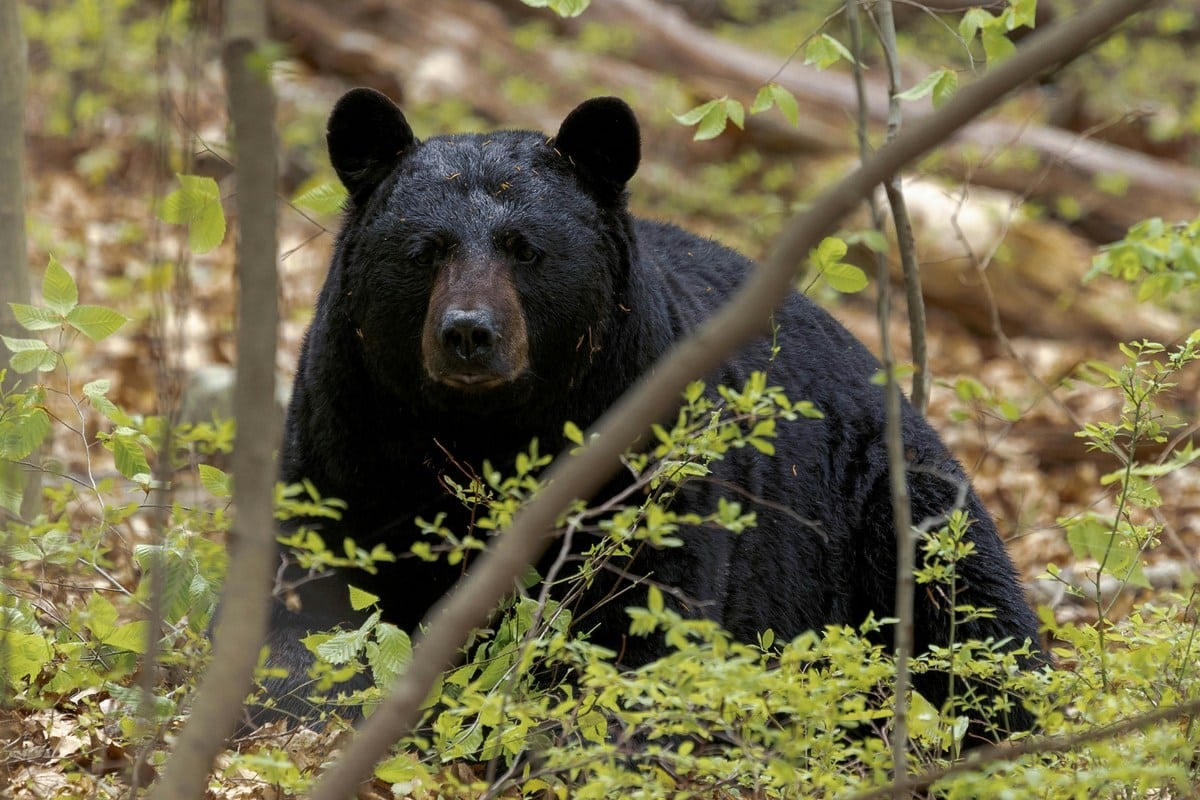
FAYETTEVILLE, W.Va. — As bear activity increases across national parks and public lands in West Virginia this spring and summer, state and federal wildlife officials are urging visitors to take extra precautions while hiking, camping, and exploring the Mountain State’s forests.
The National Park Service recently issued a nationwide reminder encouraging visitors to practice bear safety following several recent bear incidents in parks across the country. Officials say spring and early summer are periods of increased 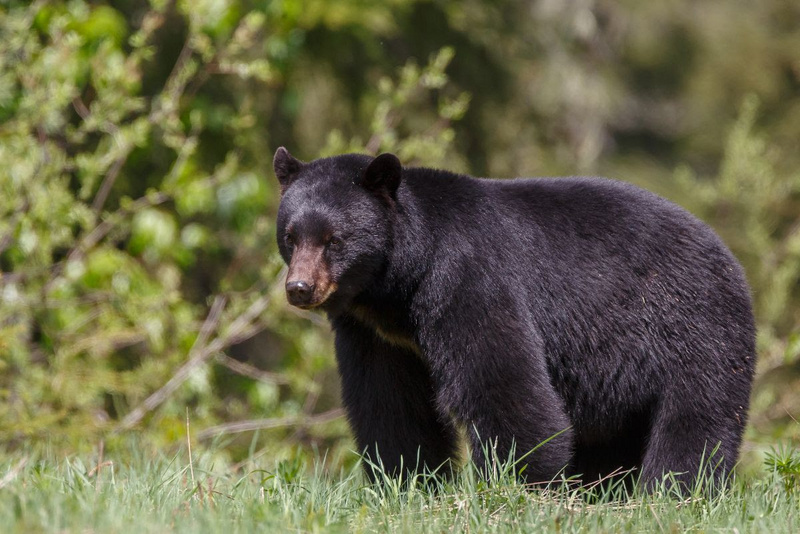 Black bears are now found in all 55 West Virginia counties. (Photo courtesy W.Va. Dept. of Commerce)[/caption]
“National parks are wild places, and wildlife safety is visitor safety,” said Jessica Bowron, a spokesperson for the park service. “Simple actions, like giving bears space, securing food, and knowing what to do before you enter bear country, can protect visitors and bears.”
In West Virginia, black bears are commonly found throughout several national park sites, including Bluestone National Scenic River, Gauley River National Recreation Area, the New River Gorge National Park and Preserve, and portions of the Appalachian National Scenic Trail.
Read also: Why it seems like you’re seeing more black bears in West Virginia this summer
Black bear encounters increase during spring and early summer
Wildlife experts say black bear encounters in West Virginia typically increase in May and June as juvenile bears venture out on their own and adult bears search for food and mates.
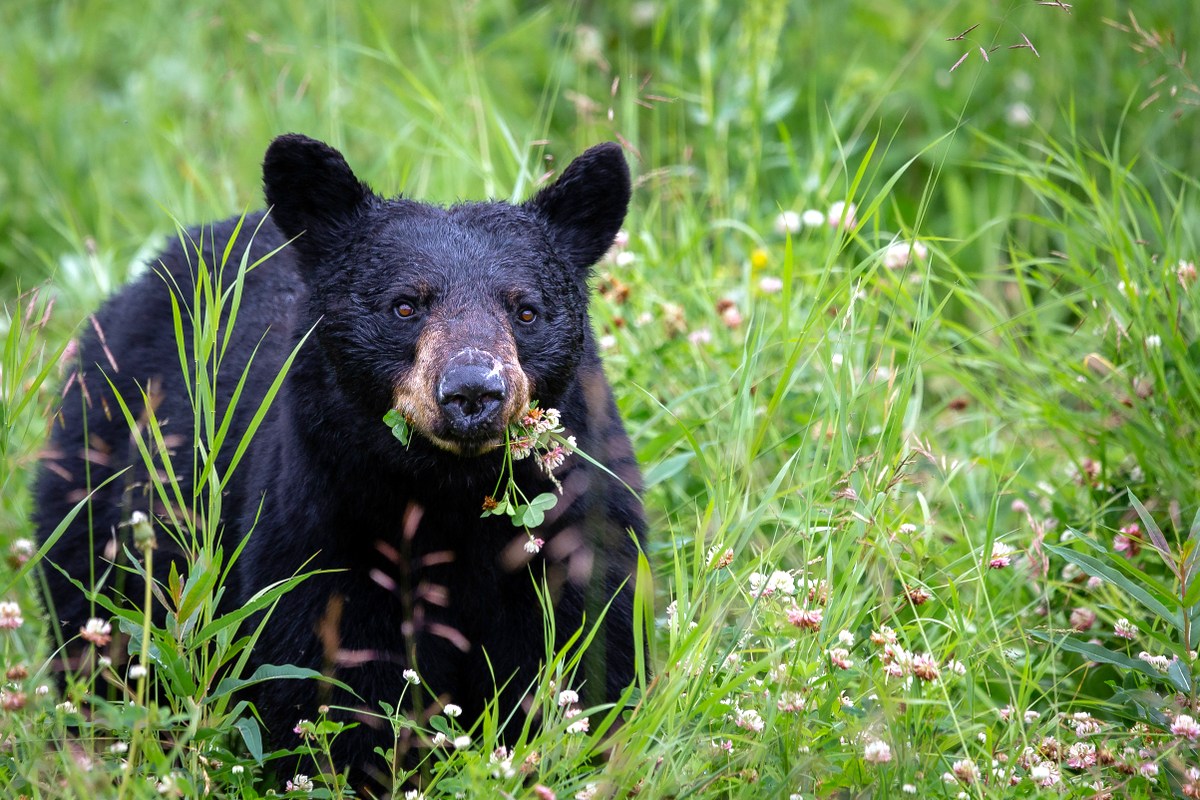
According to Colin Carpenter, a biologist with the  In West Virginia, even in suburban areas, residents should bring food indoors in spring and summer. (Photo courtesy Marc Olivier Jodoin)[/caption]
State officials recommend securing garbage and recycling containers, removing bird feeders when bears are active, and never leaving pet food outdoors.

Residents are also encouraged to clean grills regularly and notify neighbors when bear activity is reported nearby.
Black bears spend the winter months denning in hollow trees, rock crevices, logs, and beneath uprooted tree masses. Wildlife experts say bears may spend up to six months in dens during winter without eating, drinking, or expelling waste.
Pregnant black bears give birth during the denning season. Mother bears and cubs typically emerge later than other bears, usually in late March or early April.
Young bears generally remain with their mothers for about 18 months before heading out on their own, which contributes to increased black bear sightings in West Virginia during late spring and early summer.
Bear Awareness Important as Summer Tourism Season Begins
As visitation to West Virginia national parks increases during the summer tourism season, federal and state officials say awareness and preparation remain the best ways to prevent dangerous human-bear encounters.
Visitors are encouraged to check park alerts and follow park-specific bear safety rules before entering trails, campgrounds, and backcountry areas.
Wildlife officials say responsible behavior helps protect both visitors and black bears by reducing the likelihood that animals become dependent on human food or engage in dangerous interactions.
For many residents and tourists, black bears remain one of the most recognizable symbols of West Virginia’s forests and mountains. Officials say safely sharing outdoor spaces with wildlife begins with respecting bears, keeping distance, and staying alert in West Virginia national parks where black bear activity is increasing throughout the spring and summer months.