
FAYETTEVILLE, W.Va. — One of the most iconic foods in West Virginia is getting its own permanent home. Rachel Adkins, best known locally as a short-term rental host, announced plans to open the West Virginia Pepperoni Roll Museum in Fayetteville this spring.
The small museum will explore the origins of the pepperoni roll and the deeper West Virginia stories baked into the state’s most recognizable comfort food.
“We are officially building a tiny museum—the West Virginia Pepperoni Roll Museum,” Adkins said.
“It will tell the history of pepperoni rolls, of course, and their connections to coal mining. But it will touch on a number of other topics related to cooking, the lives of coal miners and their wives, company towns, scrip, and the challenges and joys of the mountains.”
Adkins is inviting West Virginians to help shape the museum’s exhibits by sharing memories, quotes, and family recipes. She has asked for stories about favorite packed lunches, particularly from former or current coal miners and their spouses, along with names and ages or years spent in the mines.
Handwritten recipe cards and photographs are especially welcome, she said.
A food inseparable from West Virginia
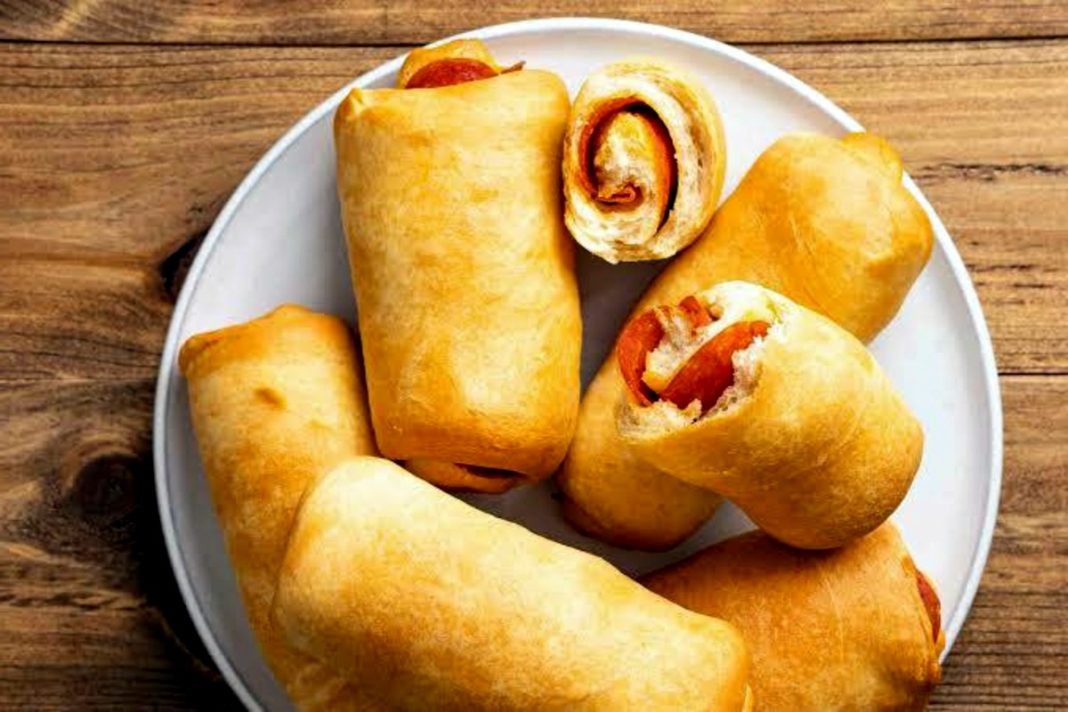
The pepperoni roll is an Italian-American stuffed bread roll originally conceived as a practical lunch for coal miners in the Monongahela Valley in the state's northern coalfields. It has, however, become nearly ubiquitous statewide, available in convenience stores, bakeries, and lunch counters.
The classic version consists of a soft, white, yeast-leavened roll filled with pepperoni. During baking, the pepperoni's fat melts and absorbs into the bread, creating a rich, savory interior. Pepperoni rolls are commonly eaten for breakfast or lunch, either at room temperature or lightly warmed.
While strongly associated with West Virginia, pepperoni rolls are also found in nearby Appalachian regions, including western Pennsylvania, western Maryland, and Appalachian Ohio. A variation of the roll later became popular among auto workers in southeast Michigan.
Roots in the northern coalfields
The pepperoni roll was first sold commercially in 1927 by Giuseppe “Joseph” Argiro at the Country Club Bakery in Fairmont. It emerged in north-central West Virginia during the early 20th century as coal mines and railroads attracted large numbers of Italian immigrants to the region.
For miners, the roll was an ideal lunch—durable, filling, and packable without refrigeration. Food historians often note its resemblance to other working-class mining foods, such as the Cornish pasty and sausage rolls of Great Britain, as well as the Italian calzone.
Over time, bakers and home cooks developed countless variations, adding cheese, peppers, or using sliced, stick, or shredded pepperoni.
From bakery counters to federal policy
The pepperoni roll has even played a role in federal food-safety policy. In 1987, when a West Virginia bakery shipped pepperoni rolls to Maryland, federal regulators ruled that the finished rolls were subject to inspection as a meat product because they were sold outside the bakery.
The U.S. Department of Agriculture proposed classifying bakeries that made pepperoni rolls as meat-processing plants, which would have required daily inspections. Bakery owners warned that the added costs could make production unprofitable.
A suggestion to cut the rolls in half and rebrand them as “pepperoni sandwiches” was rejected, with bakers arguing customers would not accept them.
Then-U.S. Sen. Jay Rockefeller intervened, meeting with the Secretary of Agriculture. The result was a special exemption allowing bakeries to continue producing pepperoni rolls without being reclassified as meat processors.
A roll fit for the field
In the early 2000s, the pepperoni roll found a new audience when a version was included in U.S. military "Meals, Ready-to-Eat." It was later incorporated into the Army’s First Strike Ration, designed for light infantry and special forces during 72-hour patrols.
The roll’s compact size and high calorie return made it well-suited for field use, and it saw extensive deployment during Operation Enduring Freedom.
Preserving everyday history
Adkins said the West Virginia Pepperoni Roll Museum aims to preserve not just the food itself, but the lived experiences surrounding it—kitchen traditions, mining family lore, and tales of everyday resilience in the West Virginia coalfields.

By blending personal stories with historical context, the West Virginia Pepperoni Roll Museum is expected to add a distinctly local cultural attraction to Fayetteville, a town already known as a gateway community to the New River Gorge.
Those interested in contributing stories, quotes, or recipes have been encouraged to respond directly to Adkins’ public call to help ensure that one of West Virginia’s simplest foods is remembered in all its complexity.
Adkins and her husband, Nate Adams, are also owners of Appalachian Escapes, a provider of short-term accommodations in the Fayetteville area.
West Virginia Pepperoni Roll Museum
The museum will be located in the Studio B Boutique Wine & Beer Gallery at 190 S. Court Street, Fayetteville, WV 25840. For more information or to share information with the curators, contact the West Virginia Pepperoni Roll Museum.
Sign up to receive a FREE copy of West Virginia Explorer Magazine in your email weekly. Sign me up!