
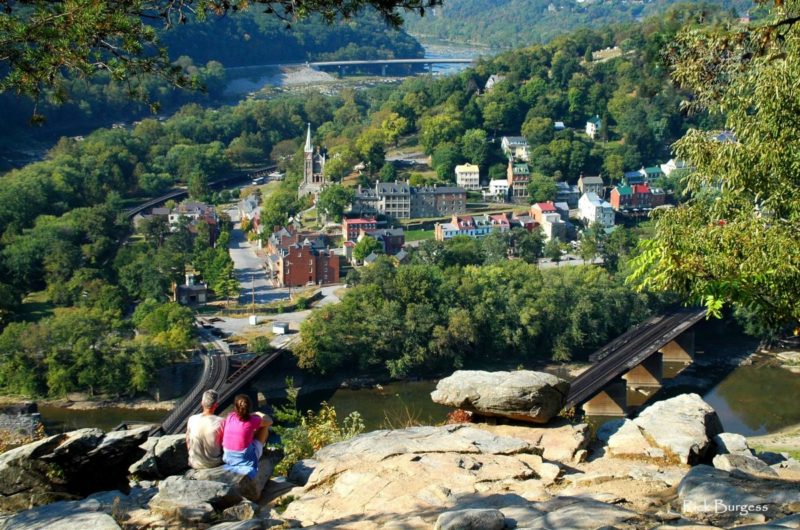
West Virginia law recognizes four principal forms of government—counties, regions, and incorporated cities and towns. Many small unincorporated towns and villages pepper the state. The following is a guide to more than 350 West Virginia communities.

West Virginia Communities
West Virginia communities are listed here in order of size, from smallest to largest.
West Virginia is unique among the U.S. states and commonwealths in its community development patterns, which are largely determined by its terrain. In the early 1900s, railroads penetrated deep into its interior in search of extractable wealth, though by the turn of the 21st century, the tide of industrialism had ebbed, leaving behind a landscape of small communities in a singular rural environment.
- Cities & Towns: The smallest unit of local government recognized in West Virginia is the incorporated community, or “municipality,” also known as a town or city. Towns and cities operate independently of the counties in which they are located and maintain their own governments.
- Counties: West Virginia is divided into 55 counties, most of which were established before the state’s creation in 1863. Most county boundaries encircle territories defined primarily by ridges and river drainage areas. Most counties in West Virginia are relatively rural.
- Regions. West Virginia has been divided into many complex regions over time and by different agencies. Our editorial department has arranged the state into 12 regions based on cultural patterns and geographic determinants. These are cultural boundaries and do not overlap with state travel bureau boundaries.
- West Virginia. Though diverse, the State of West Virginia may be considered a distinct community because of its controversial creation during a period of political upheaval and its status as the only state wholly within the Appalachian region of the eastern U.S.
Convention & Visitors Bureaus (CVBs)
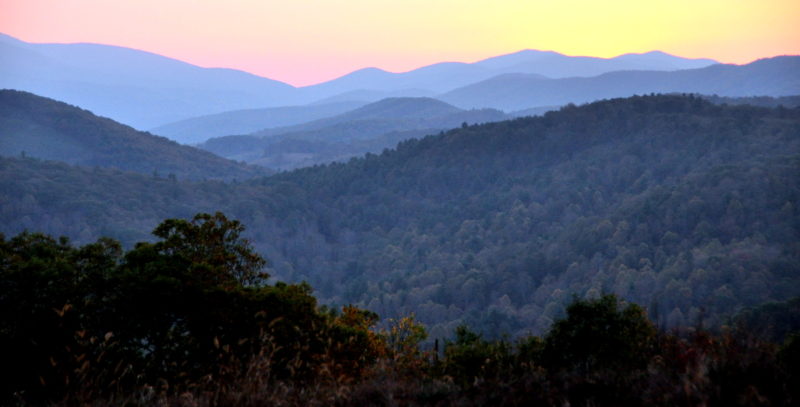
Are you searching for travel information specific to a region in West Virginia? The friendly folks at West Virginia’s convention and visitors bureaus are available to help arrange vacations specific to our various communities, whether you’re planning a short trip for yourself or an extended stay for a large group. Find a CVB now to help you plan your trip.
Patterns of Community Growth in West Virginia
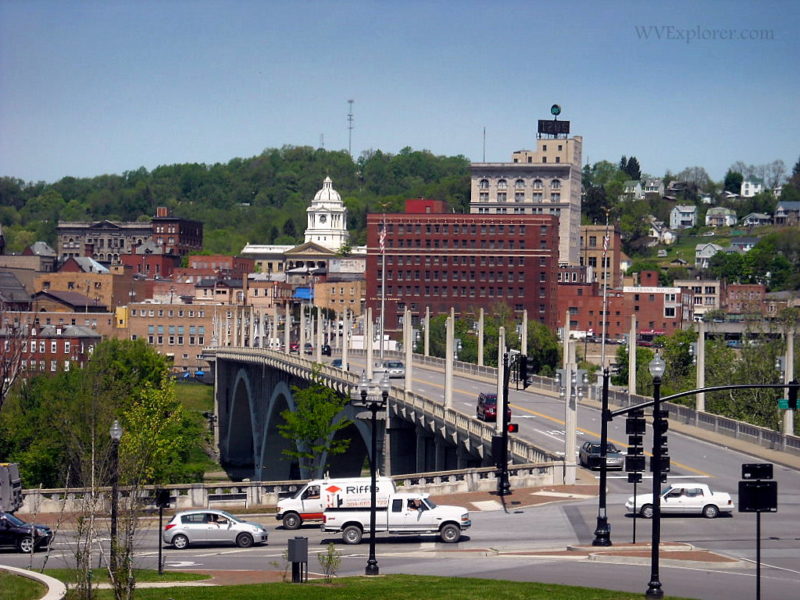
As might be expected, the most populous communities in West Virginia — Wheeling, Charleston, Huntington, Parkersburg, and Morgantown — developed along rivers, accommodating transportation and water power. Extractive industries, such as mining and timbering, saw the birth of communities that quickly waxed and waned, most notably in rugged mountain regions. Many of these latter communities are now ghost towns, and others have entirely disappeared.
Two official forms of community recognized by West Virginia law are counties and municipalities, also known as towns or cities, as well as school districts.
Ethnic Communities in West Virginia
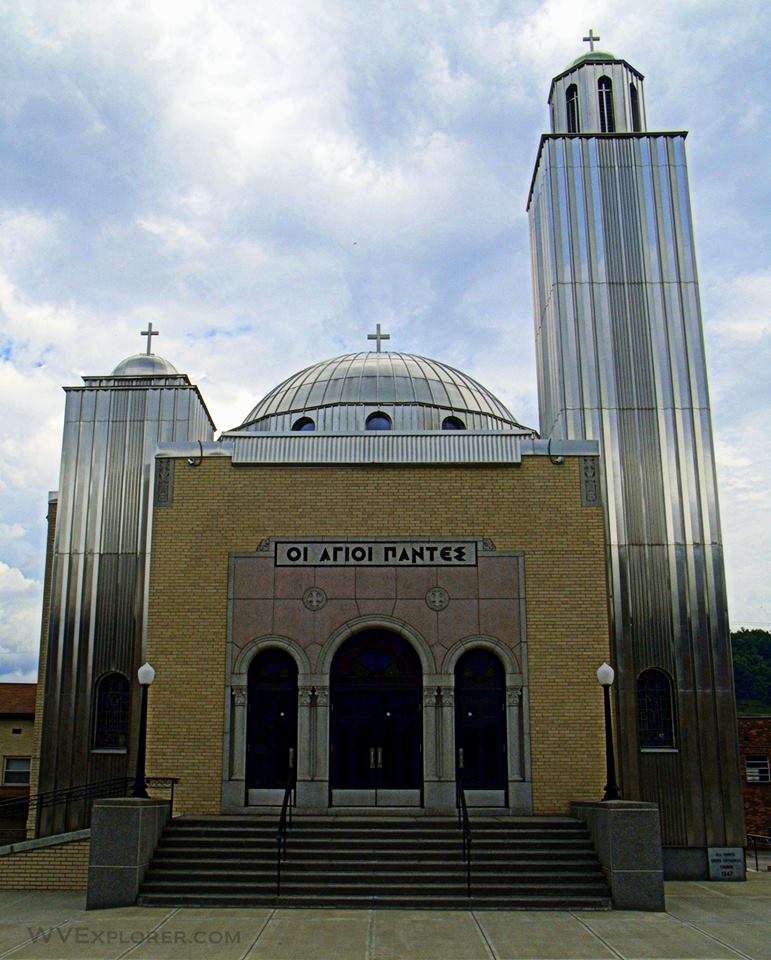
The first European settlers in West Virginia were mostly of Scots, English, and Scots-Irish descent. Many retreated far back into the highland forest and became mountain people, braving harsh conditions in virtual isolation. Others farmed the fertile valleys. During the American Industrial Revolution, African-Americans and European-Americans of many ethnic origins arrived to work in mines and factories in and near the state’s northern and southern coalfields, and in forests throughout the state. In the late 1900s, many International residents moved to the state, settling primarily in its largest cities. As a result, West Virginia is home to many diverse ethnic communities.
West Virginia Communities
West Virginia communities are among the most distinctive in the United States, shaped by rugged mountain terrain, river valleys, industrial development, and a strong tradition of local identity. From bustling cities and county seats to isolated mountain hamlets and former coal camps, the state’s communities reflect more than 250 years of settlement and cultural evolution. Although West Virginia is divided politically into 55 counties and hundreds of incorporated municipalities, many of its most enduring communities exist outside formal governmental boundaries.
Origins of West Virginia Communities
The earliest permanent European settlements in what is now West Virginia emerged in the mid-18th century along major transportation corridors, including the Potomac, Monongahela, Ohio, and Greenbrier river valleys. Communities including Romney, Shepherdstown, and later Clarksburg and Wheeling developed as frontier settlements, trading centers, and defensive outposts. As transportation improved, new towns appeared along turnpikes, railroads, and navigable waterways, linking the region to larger markets in the East and Midwest.
The arrival of railroads during the late 19th century transformed community development throughout the state. Coal mining, timbering, glassmaking, and manufacturing industries gave rise to hundreds of company towns and industrial settlements. Many communities that flourished during the height of the coal and timber industries later declined as resources were exhausted or industries consolidated, leaving behind a landscape marked by both thriving towns and historic ghost towns.
Cities, Towns, and Unincorporated Communities
West Virginia recognizes incorporated municipalities as cities, towns, villages, and one corporation. These communities maintain their own local governments and operate independently of county governments in many respects. The state contains hundreds of incorporated places ranging from major population centers such as Charleston, Huntington, Morgantown, and Wheeling to small municipalities with only a few hundred residents.
However, many West Virginians live in unincorporated communities that possess a strong local identity despite lacking municipal governments. These places may include crossroads settlements, former mining communities, agricultural villages, and residential neighborhoods that are governed directly by their counties. Some are recognized by the U.S. Census Bureau as census-designated places, while others exist primarily through local tradition and geographic association. Communities such as Coal City, Itmann, and countless others remain important cultural and social centers despite their unincorporated status.
Geography and Patterns of Settlement
The geography of West Virginia has profoundly influenced where and how communities developed. Unlike many states where towns spread across broad plains, West Virginia’s settlements often occupy narrow river valleys, creek bottoms, and mountain hollows. As a result, communities frequently developed in relative isolation from one another, fostering strong local traditions and distinct regional identities.
The state’s largest cities generally emerged along major rivers, including the Ohio, Kanawha, and Monongahela, where transportation and commerce could flourish. Smaller communities often formed around natural resources, transportation hubs, or agricultural opportunities. In many mountain regions, residents continue to identify closely with local valleys, watersheds, and historic districts rather than with larger metropolitan areas.
Cultural Diversity and Community Identity
West Virginia communities have been shaped by a variety of cultural influences. Early settlers of Scots-Irish, English, German, and Welsh descent established many of the state’s rural traditions. During the Industrial Revolution, immigrants from Southern and Eastern Europe, African Americans from the South, and workers from throughout the nation arrived to labor in mines, mills, factories, and timber operations. Their descendants contributed to the rich cultural diversity found in many of the state’s industrial communities.
Community identity remains particularly strong in West Virginia. Local schools, churches, volunteer fire departments, festivals, and historical societies often serve as focal points for civic life. Even small communities that have lost population frequently retain a deep sense of place, with residents maintaining connections to family histories that span multiple generations. This attachment to local heritage has helped preserve many historic neighborhoods, landmarks, and traditions throughout the state.
Communities in the 21st Century
Today, West Virginia communities continue to evolve in response to economic change, tourism, outdoor recreation, and remote work opportunities. While some former industrial towns face challenges associated with population decline, others have experienced renewed interest through heritage tourism, recreation-based economies, and preservation efforts. Historic downtown districts, cultural attractions, and scenic landscapes have become important assets for communities seeking new opportunities in the modern economy.
Whether located in a bustling regional center, a river town, a mountain village, or a remote hollow, West Virginia communities remain the foundation of life in the Mountain State. Together, they reflect the state’s complex history, diverse culture, and enduring tradition of local pride.