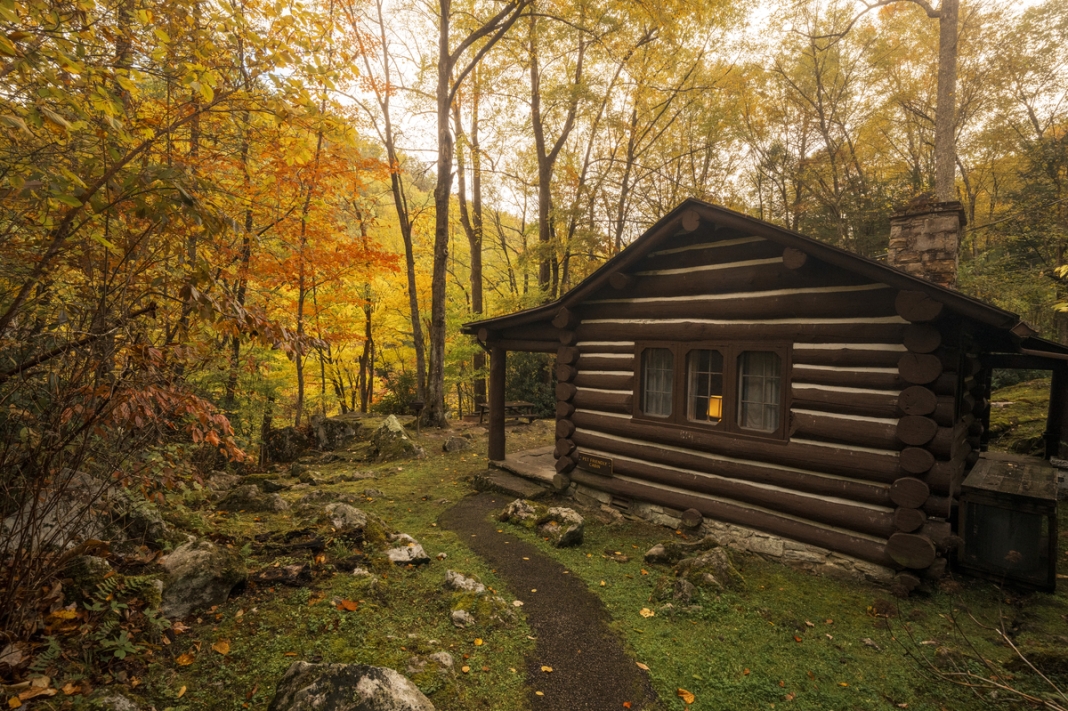

CHARLESTON, W.Va. — As the 100th anniversary of West Virginia's state park system approaches, officials say the network of 48 parks and forests has become an essential pillar of tourism, conservation, and community development.
Few assets owned by West Virginians generate as much pride or economic return as its state parks and forests, according to Brad Reed, Sr., executive director of the West Virginia State Parks Foundation.

“West Virginia state parks might be the best idea this state ever had,” Reed said. “They protect the places that define us while creating opportunities that strengthen every community.”
Origins of West Virginia State Parks
The state park system began in 1925, when Gov. Ephraim F. Morgan appointed a conservation commission to study the state’s forests, natural attractions, and cultural resources. Their report led to the purchase of land that eventually became Watoga State Park and Droop Mountain Battlefield.
“From humble but ambitious beginnings, our park system has evolved into one of the most diverse in the nation,” Reed said.
Their mission was simple and remains so today—to preserve and protect the state's most exceptional natural and historic areas while providing accessible outdoor recreation for all.
Today, the state boasts 78,976 acres of parkland and more than 77,000 acres of forestland protected in 48 parks and forests across 34 counties.
A System Known for Its Natural Beauty
West Virginia State Parks protect some of the state’s most recognized landscapes—Blackwater Falls, the Bluestone River canyon, Coopers Rock, and Beartown, among others.
Many of these places were heavily timbered or mined in the early 20th century, Reed noted. “What people see today—stunning scenery and thriving biodiversity—is the result of decades of restoration and stewardship,” he said.
Preserving history across the state
Beyond natural wonders, the system preserves sites central to West Virginia’s cultural identity, including:
“These areas aren’t just parks,” Reed said. “They’re living history classrooms that connect West Virginians to our heritage.”
State parks are unlike any others in the U.S.
The National Association of State Park Directors ranks West Virginia among national leaders for amenities and facilities. The state park system stands out because it offers:
- Downhill skiing (one of only three state park systems nationwide)
- The second-highest number of lodge rooms in the U.S.
- Golf courses, cabins, campgrounds, restaurants, riding stables, and more
West Virginia may also be the only park system that:
- Operates an island with its own sternwheel riverboat
- Runs steam-powered trains (Cass)
- Maintains an entire historic town (Cass)
“This level of diversity helps generate sustainable revenue that supports our mission,” Reed said.
Tourism and Economic Impact: More Than $521 Million a Year
West Virginia State Parks welcomed an estimated 10 million guests last year, drawing visitors from across the country. A 2023 economic impact study estimated that parks contribute $521 million annually to West Virginia’s economy.
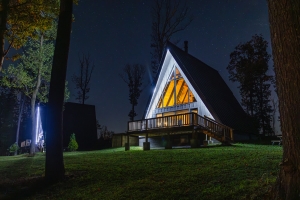
This includes visitor spending in parks, travel spending at gas stations, restaurants, grocery stores, and adventure outfitters, and support for more than 5,250 jobs.
“Divide that economic impact by our state population and the return is about $290 per citizen per year,” Reed said.
By contrast, taxpayers contribute $21 million in annual appropriations, or roughly $11.72 per resident.
“It’s an extraordinary return on investment,” he said.
How state parks shape communities
Park-related tourism helped spark growth in towns such as Thomas, Davis, Berkeley Springs, and Logan.
“People often cite the Hatfield-McCoy Trails as an economic driver—and they’re right,” Reed said. “But state parks have been quietly doing the same job for decades.”
West Virginia’s park system includes:
- 798 lodge rooms
- 358 cabins
- 1,546 campsites
- 152 picnic shelters
- 559 playground units
- Nearly 2.5 million square feet of indoor space in 1,500 buildings, many of which are about 70 years old
Commitment to preservation, not profit
West Virginia’s philosophy differs from many state systems, Reed said. Revenue is a tool in West Virginia, not a mission. This approach has guided the system since the days of the Civilian Conservation Corps at Watoga and Holly River.
“We operate lodges, cabins, and campgrounds not to chase profit but to support stewardship,” he said. “Everything we do is rooted in our mandate to preserve, protect, and provide.”
Parks are economic buffers in hard times
Reed emphasized that state parks stabilize local economies during downturns.
“When private tourism businesses struggle, parks remain steady,” he said. “They keep visitors coming and maintain a base level of economic activity. When the economy rebounds, that foundation helps private operators recover faster.”
Public treasure worth defending
Because state parks belong to the people, West Virginians have long advocated for them—whether during debates over privatization, proposed timbering programs, or access fees.
“The public’s passion has kept this system strong for nearly a century,” Reed said. “West Virginians value their parks deeply, whether they visit often or simply take pride in knowing they exist.”
Looking toward the next 100 Years
As the state park system approaches its centennial, Reed believes West Virginia’s most significant responsibility is continuity.
“Our job is simple,” he said. “Preserve what’s special. Protect what’s vulnerable. Provide opportunities for everyone. If we stay true to that mission, our parks will remain among the most valuable lands in West Virginia for generations to come.”
Sign up to receive a FREE copy of West Virginia Explorer Magazine in your email weekly. Sign me up!




I love our state parks and we visit them every year. My husband and I are always praising the parks and convincing out of state friends and family to plan a visit.
Коллеги, кто пользуется Telegram ботами для автопродаж в даркнет магазинах? Интересно узнать ваше мнение.
Плюсы, которые я вижу:
- Быстрое оформление заказа
- Моментальные уведомления о статусе
- Круглосуточная поддержка
- Автоматизация процесса
Но есть и риски:
- Нужно проверять, что бот официальный
- Риск попасть на мошеннический бот
- Важно использовать только проверенные источники
На [url=https://rc24.pro]rc24.pro[/url] есть каталог официальных ботов от различных магазинов - LoveShop, Chemical, LineShop и других. Там можно найти актуальные username ботов и проверить их статус. Это помогает не нарваться на фейковые боты.
Кто-то может поделиться опытом работы с такими ботами? Какие магазины предлагают автопродажи через Telegram?