
BECKLEY, W.Va. — West Virginians know winter differently. When the leaves fall, and the chatter of summer tourism fades, the Mountain State and its Appalachian neighbors enter a season that feels quieter, older, and somehow more honest. For hikers willing to lace up their boots when temperatures dip, winter offers some of the most rewarding and surprising experiences of the year.
Across West Virginia, from the rugged Allegheny highlands to the shores of the Ohio and Potomac rivers, hikers are discovering that cold weather isn’t an obstacle. It’s a gateway.
West Virginia outdoor recreation specialist Levi Moore says he's fond of winter hiking. However, hikers should take precautions by dressing in layers, watching the weather, and being attentive to shorter daylight hours.
"One of the favorite reasons is that you can see where all of the small animals live and forage. You can better see their tracks in the snow," Moore said.
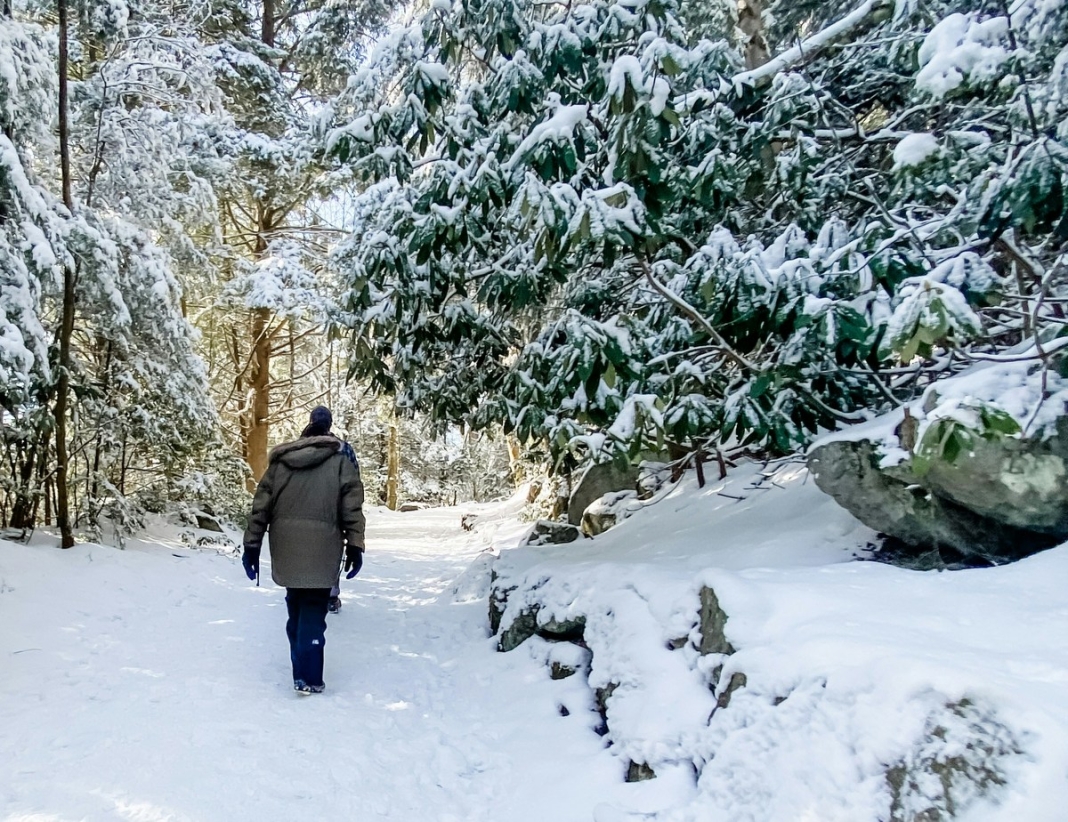
"There is also a peacefulness of the trail after a new-fallen snow and the cold solitude when one experiences the outdoors in winter."
Here are three reasons the region has become an increasingly compelling winter destination.
1. The views literally open up
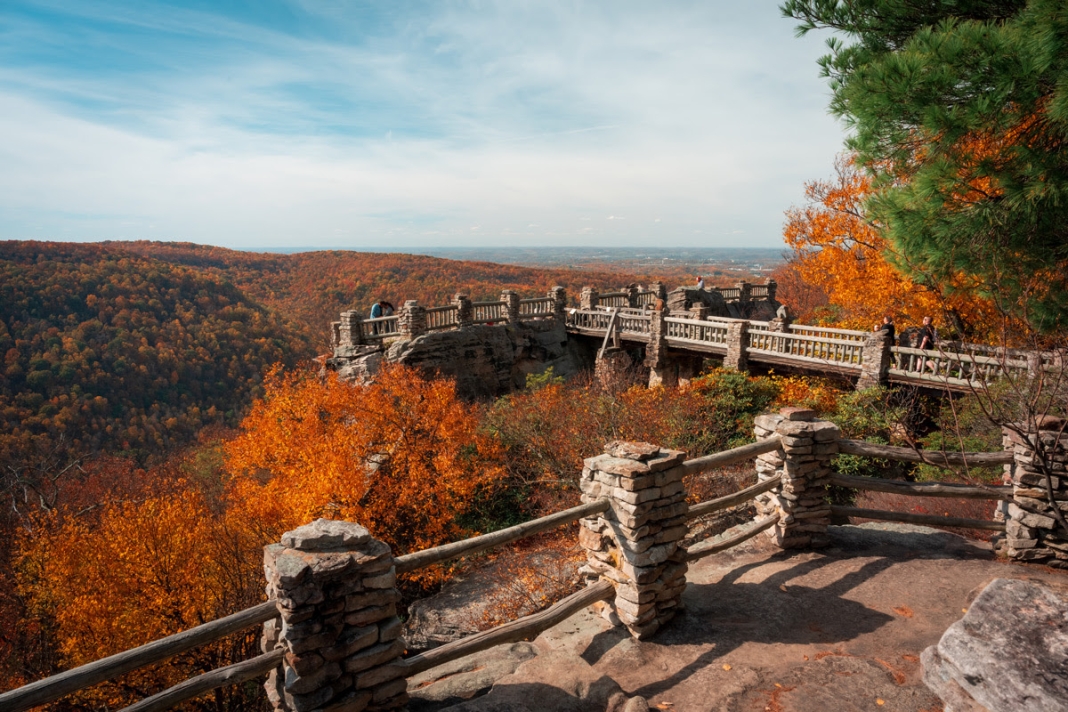
If summer hiking is about immersion, winter hiking is about revelation. When deciduous forests drop their leaves, long-hidden vistas reappear across the landscape. Ridges that are fully enclosed by foliage in July suddenly offer panoramic views stretching for miles.
In places like Dolly Sods Wilderness, North Fork Mountain, and the Cranberry backcountry, hikers often speak of the “winter view dividend”—the surprising clarity and depth of scenery that’s not visible in warmer months.
Even moderate trails within state parks and wildlife management areas take on a new character. A short hike that might offer a single overlook in summer may provide half a dozen in January.
The geology of the Allegheny Mountains amplifies this phenomenon. Because many ridge systems run long and narrow, a winter hiker can walk entire miles with open views on both sides—east toward the Shenandoah Valley or west toward the rolling Appalachian Plateau. Sunsets linger. Frost and ice refract afternoon light. On the coldest mornings, temperature inversions fill the valleys with low clouds, elevating hikers above a sea of white.
For photographers, bird-watchers, or anyone who enjoys understanding the lay of the land, winter hiking offers the most transparent window into Appalachia’s topography.
2. Trails are quieter, and solitude comes naturally
Winter strips away distractions. Trailheads that fill by 9 a.m. in October can sit nearly empty in mid-January. For many hikers, this is the season when the hills feel most like the West Virginia of old—quiet, contemplative, a place where time slows, and the woods reveal their subtler rhythms.
With fewer leaves and less undergrowth, wildlife is easier to spot. White-tailed deer and wild turkey move openly across forest edges. The tracks of foxes, bobcats, and coyotes become common along muddy or snowy paths. Ravens and bald eagles, already iconic in the high country, stand out sharply against the bare ridgelines and winter sky.
Solitude—an increasingly rare commodity—is easier to find. Even in the New River Gorge National Park and Preserve, where visitation has surged year-round, hikers often find winter mornings on Endless Wall, Long Point, or Canyon Rim entirely to themselves.
Further east, in the Monongahela National Forest, the experience is even more pronounced. Stretching across nearly a million acres, the Monongahela becomes a haven for hikers seeking quiet miles.
This solitude isn’t merely pleasant. It’s restorative. Many winter hikers report that the absence of crowds deepens their connection to the trail, creating an almost meditative experience that’s harder to achieve during peak seasons.
3. The climate is surprisingly friendly to cold-season hiking
While winter in Appalachia can be unpredictable, it is often milder and more hikeable than people assume. Much of West Virginia sits in a climate sweet spot—cold enough for crisp, scenic winter hiking, but rarely so severe that trails become inaccessible for long stretches.
At mid-elevations, typical highs range from the upper 20s to low 40s, ideal temperatures for hikers who prefer steady exertion without overheating. Snowfall, though common in the higher counties, usually arrives in manageable amounts except during occasional heavy systems.
In places like Canaan Valley, Snowshoe Mountain, and in the high Alleghenies, hikers equipped with microspikes or snowshoes can enjoy a winter landscape that rivals New England—but with gentler terrain and far fewer crowds.
Winter also dramatically reduces humidity, making long climbs feel less taxing. Trails that can feel muggy and oppressive in August become crisp and invigorating in February. And for those concerned with ticks, mosquitoes, or poison ivy, winter offers the most worry-free conditions of the year.
A few winter hiking precautions
When hiking in West Virginia in winter, the most essential precaution is preparing for rapidly changing mountain weather. Temperatures can swing dramatically between valley floors and high ridgelines, and storms often form with little warning across the Alleghenies.
- Hikers should dress in moisture-wicking layers, avoid cotton, and pack essentials such as a warm hat, gloves, and an insulated outer shell. Carrying traction devices like microspikes is also wise, as many popular trails, including those in the New River Gorge and Monongahela National Forest, can hide ice under patchy snow.
- A second key precaution is planning for shorter daylight hours and reduced trail visibility. Winter sunsets arrive early, and dense cloud cover can dim the woods long before dusk, so carrying a reliable headlamp with extra batteries is essential.
- Finally, hikers must be especially mindful of navigation and emergency readiness. Trail blazes fade on bare trees, cell service can be unreliable in remote hollows, and stream crossings may freeze or swell unexpectedly. Bringing a paper map, telling someone your route, and packing emergency items—fire starter, water treatment, and a small first-aid kit—ensure that a winter trek in the Mountain State remains both safe and enjoyable.
A Region Made for Four Seasons
From sweeping views to rare stillness to a climate that encourages exploration, winter hiking in West Virginia and the wider Appalachians offers an underappreciated experience. It’s the season when the mountains feel oldest, the trails quietest, and the rewards richest for those willing to step into the cold.
For hikers who think of winter as the off-season, West Virginia offers a gentle correction: this may be the best season of all.
Sign up to receive a FREE copy of West Virginia Explorer Magazine in your email weekly. Sign me up!