
MORGANTOWN, W.Va. — As West Virginia experiences a cultural and economic shift toward recreation, researchers at West Virginia University have discovered even better news about active living.
A study by researchers at the university in Morgantown found a greater-than-expected association between increased sitting time and adverse pregnancy outcomes—including gestational diabetes and preeclampsia—among women who sit more than those who include even light activity in their daily routines.

“The big finding was that women who were sitting for over 10 hours a day were developing twice as many adverse pregnancy outcomes as women who were sitting for shorter amounts of time,” said Professor Bethany Barone Gibbs, co-investigator of the study and chair of the WVU School of Public Health Department of Epidemiology and Biostatistics.
“We were expecting to find that more sitting may be less healthy in pregnancy, but the magnitude of extra risk was bigger than we thought it would be. Our study supports the idea that a daily activity pattern with lots of prolonged sitting should be discouraged during pregnancy.”
Sitting more than 10 hours daily linked to higher pregnancy risks
The study, published in the Journal of the American Medical Association, shows that two in five women who sat for 10 or more hours a day had an adverse pregnancy outcome, while only one in five women who sat for about seven hours a day did.
Adverse pregnancy outcomes measured in the study included gestational hypertension, preeclampsia, gestational diabetes, preterm birth, and small for gestational age. These pregnancy complications can harm the mother and baby during pregnancy and may also have long-term health consequences.
For example, preeclampsia is a serious and potentially life-threatening blood pressure disorder that occurs during pregnancy and postpartum. It is characterized by a rapid rise in blood pressure that can lead to seizure, stroke, multiple organ failure, and even death of the mother and/or baby. Women who had preeclampsia have a much greater risk of developing cardiovascular disease later in life.
Gestational diabetes develops during pregnancy in women who had not previously been diagnosed with the disease. Although it typically resolves after the baby is born, it increases the mother’s risk of developing Type 2 diabetes later in life.

“These adverse pregnancy outcomes, especially preeclampsia and gestational hypertension, have become much more common in the last two decades,” Barone Gibbs said. “From a public health perspective, it’s very concerning. We are looking for solutions to reduce these outcomes because there are currently very few options.”
Researchers say light activity may help reduce complications
While moderate- to vigorous-intensity exercise is one of the few things that can lower the risk of adverse pregnancy outcomes, Barone Gibbs said that level of activity might not be an option for some pregnant women. She and her colleagues reasoned that not all pregnant women have the resources or access to the kinds of supervised exercise plans available in gyms and workout studios. They also considered that pregnant women might not feel they have the physical energy to commit to an exercise regimen.
“It’s one thing to say, ‘everyone should exercise,’ but we know there are a lot of barriers to that, especially for pregnant women because they’re fatigued, they have nausea, their bodies are changing and they have musculoskeletal pain,” Barone Gibbs said. “We wanted to think about some alternatives for pregnant women to be active but not at the level of a supervised exercise plan.”
Instead, the study aimed to determine whether sitting less and moving more at low intensity would be associated with a reduced risk. The idea that excessive sitting could worsen pregnancy outcomes builds on research from a few decades ago, when providers recommended bed rest or activity restriction for women who developed certain pregnancy complications.
Yet despite this common practice, follow-up research found that moving to a very low level of activity was not helpful and, in some cases, led to worse outcomes, such as more preterm births and preeclampsia.
“Since our modern lifestyle has engineered most required physical activity out of our days, many pregnant women inadvertently have activity patterns that look a lot like activity restriction even if it was not prescribed,” Barone Gibbs said.
Study suggests small changes can make a difference
For the multi-site study, the team recruited 500 women in their first trimester of pregnancy from West Virginia, Pennsylvania, and Iowa. The women wore activity monitors attached to their legs to measure how much they sat and how long they sat for.

In addition to WVU, monitoring was conducted at the University of Iowa, led by Kara Whitaker, the study’s principal investigator, and at the University of Pittsburgh.
The WVU research team included postdoctoral fellow Katrina Wilhite; doctoral students Elly Marshall and Brianne Nichols; Sarah Modlin, a research associate in the WVU School of Public Health Department of Epidemiology and Biostatistics; and Alexis Thrower, a doctoral student in the WVU School of Medicine Department of Exercise Physiology.
Dr. Iqra Sheik, assistant professor in the WVU School of Medicine Department of Obstetrics and Gynecology and a physician at WVU Medicine, served as a study collaborator.
Funding for the study was provided by the National Heart, Lung, and Blood Institute, part of the National Institutes of Health.
Researchers recorded the women’s activity patterns at each trimester throughout their pregnancies until the babies’ births to determine how these patterns correlated with adverse pregnancy outcomes.
Barone Gibbs explained that while the data suggest that pregnant women should sit less and move more, a larger clinical trial would further validate the findings.
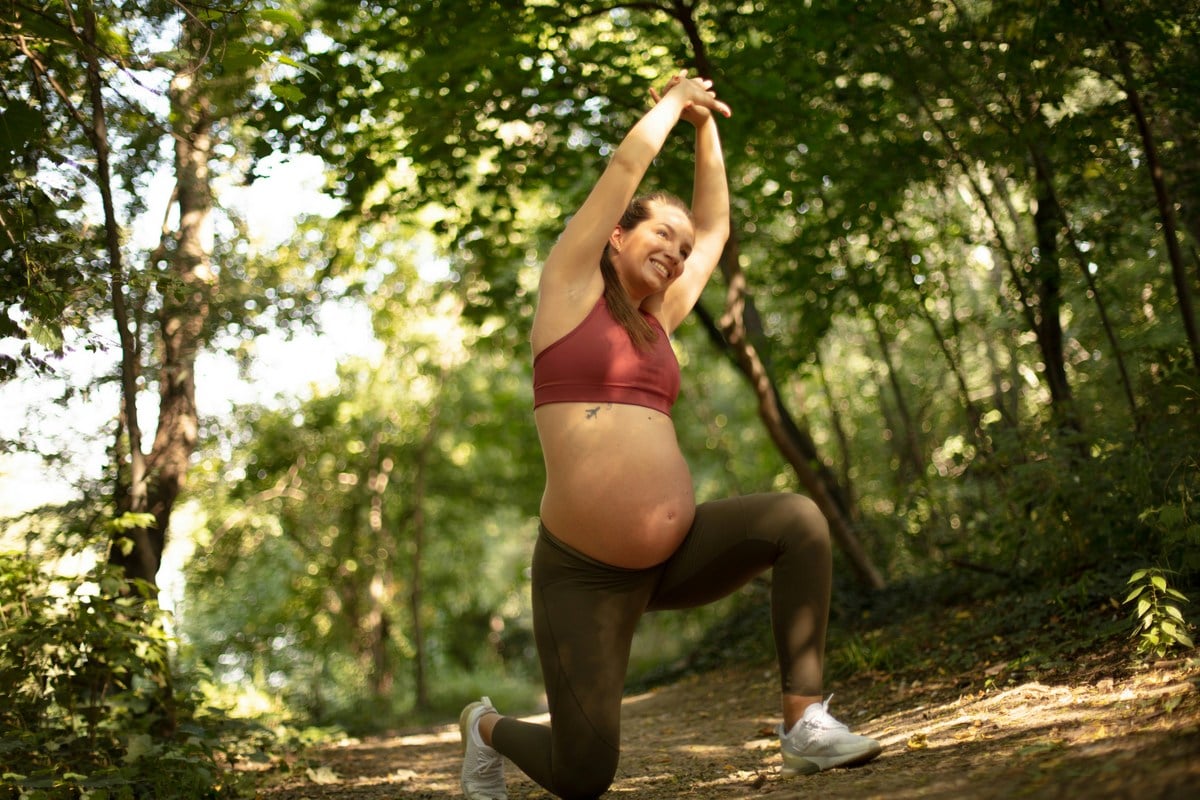
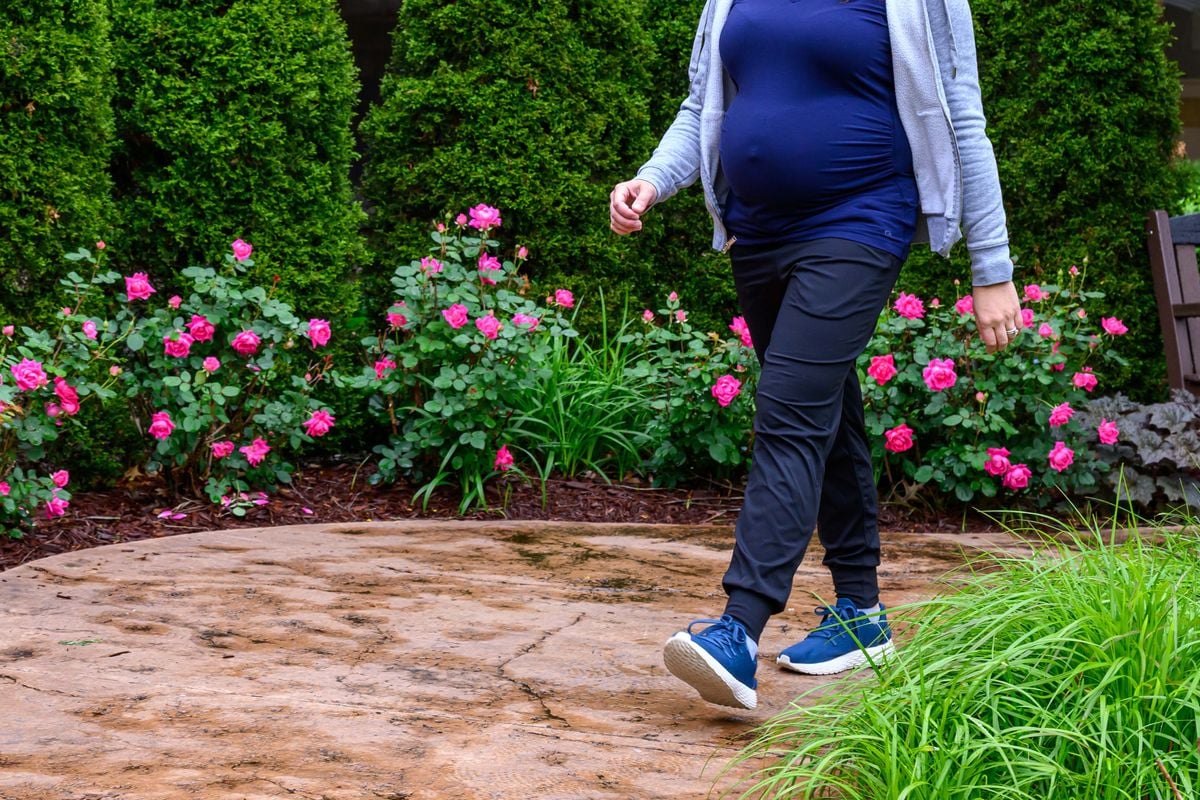
“Our findings suggest it doesn’t necessarily have to be exercise; just getting up and moving around more may help you avoid these pregnancy complications,” she said.

Barone Gibbs said she hopes the study encourages pregnant women to monitor how much time they spend sitting and how much activity they add to their days. She suggests using wearable devices that can provide prompts and track steps.
“Most of these will give you a reminder if you’ve been sitting for an hour that it’s time to get up and start moving around a bit, take a little walk, or just do something,” she said.
“If they don’t have access to a wearable, set a reminder on your phone or computer that it’s time to get up and do something to get your blood flowing. Another thing we tell pregnant women in interventions is, ‘Listen to your body.’ If they’ve been sitting for a long time and their back hurts or they have discomfort, it’s time to get up and move around.”
Linda Skidmore, Health Research Writer at WVU Health Sciences, contributed to this story.