History / Prehistory

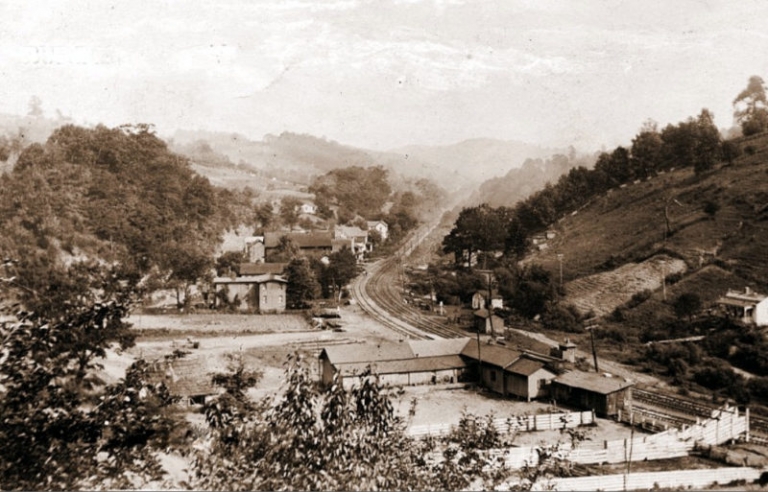
The history and prehistory of West Virginia reveal a fascinating journey from ancient Native American cultures to its role in America’s story. Prehistoric sites, such as the Grave Creek Mound, showcase the region’s mound-building cultures that left behind impressive burial mounds and earthworks. Later, European settlers ventured into the rugged Appalachian Mountains, forging frontier communities and thriving amidst challenging terrain. During the American Civil War, West Virginia famously seceded from Virginia to remain loyal to the Union, becoming the 35th state in 1863. Coal mining played a vital role in shaping West Virginia’s economy and identity, fueling America’s industrial growth and leaving a lasting legacy in the state’s communities and culture. Today, visitors can explore historic towns, Civil War battlefields, and preserved pioneer homesteads that tell the rich, enduring story of West Virginia’s resilient spirit and deep mountain roots.

The largest of the two Oak Mounds rises overlooks the West Fork River.

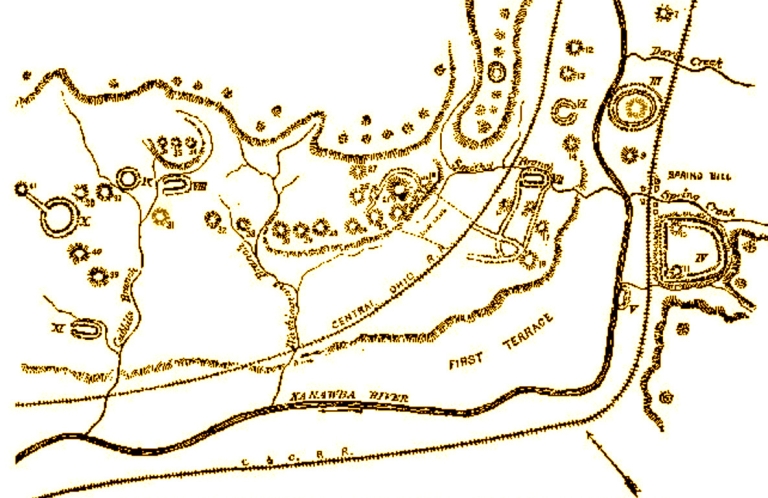
Three little-known facts about West Virginia’s moundbuilders

The term “moundbuilder” is often used to describe two ancient cultures that archaeologists now know as the Adena and the Hopewell. These peoples lived in eastern North America from approximately 500 B.C. to A.D. 500. Their monumental earthworks captured the imaginations of explorers and continue to fascinate us today. Many mounds remain throughout West Virginia … Read more