
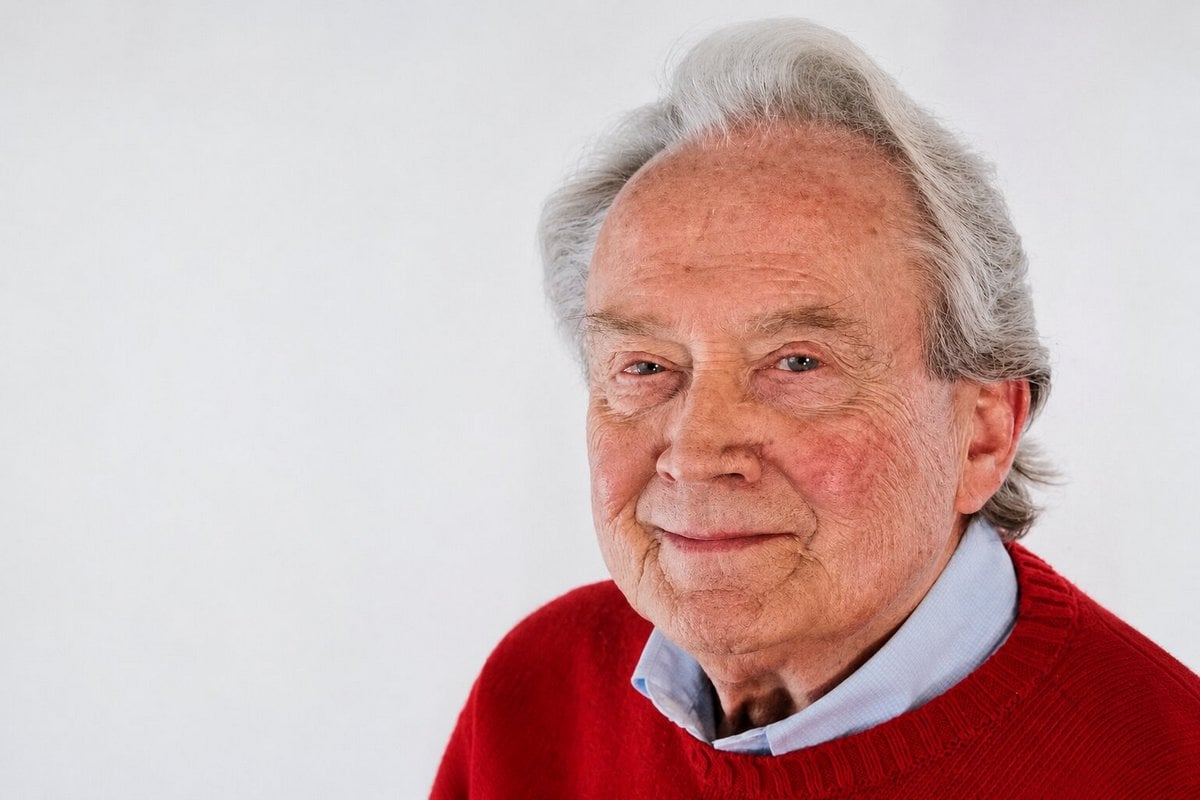
CHARLESTON, W.Va. — Michael Meredith Martin, whose nearly 60-year acting career has included Hollywood films, Appalachian historical dramas, and performances in schools across the eastern U.S., was inducted into the West Virginia Hall of Fame Saturday at Pipestem Resort State Park.
Martin, 78, also served 16 years as mayor of Mount Hope, a former coal-mining city in Fayette County. His career has taken him from professional theater in San Francisco to appearances in Matewan and The Silence of the Lambs, though much of his work has remained centered in West Virginia.
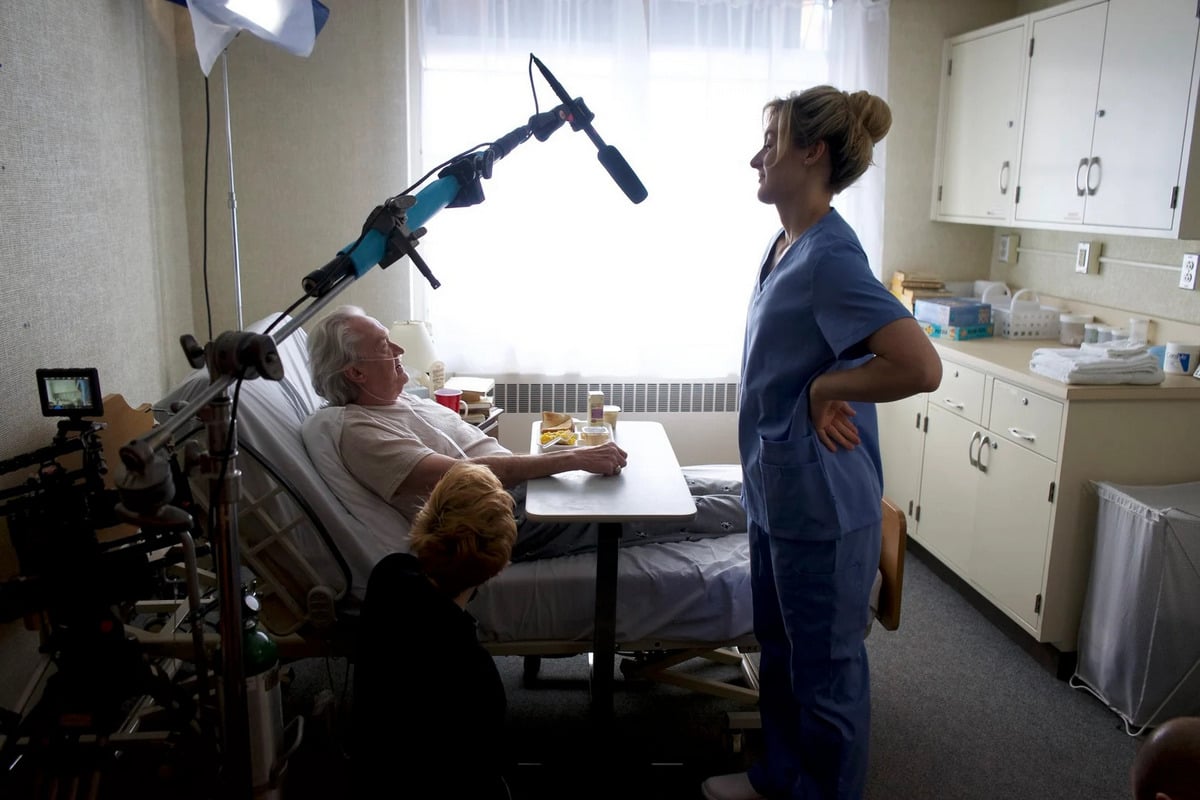
In an interview with West Virginia Explorer ahead of the Nov. 7 induction, Martin discussed his career, opportunities for actors in West Virginia, and the challenges of governing a small city. He believes the state has considerable potential as a center for filmmaking and performance but questions whether its arts organizations receive sufficient support.
“We don’t seem to want to support the arts, and the arts need to be supported,” Martin said.
He welcomed the recent restoration of West Virginia’s film production tax credit, which has spurred new projects after the state discontinued an earlier incentive program. Many independent productions still operate on limited financing, he said, but the industry is beginning to rebuild.
“We’ve made a start again now, and I think we’re doing pretty well.”
From San Francisco to Hollywood films
Martin was born Dec. 26, 1947, in Beckley and grew up in Mount Hope. He graduated from Fork Union Military Academy in Virginia and attended Concord College, now Concord University, in Athens, West Virginia.
His professional acting career began in 1967, when the Bay Area School Theater in San Francisco hired him. Over the following decades, he worked in film, television, theater, and educational productions and became a member of the Screen Actors Guild-American Federation of Television and Radio Artists (SAG-AFTRA).

His film credits include The Silence of the Lambs, directed by Jonathan Demme; Matewan, directed by John Sayles; and Chasers, directed by Dennis Hopper. He also appeared in three productions by West Virginia filmmaker Daniel Boyd—Chillers, Strangest Dreams, and Paradise Park.
Other credits include A Christmas Tree Miracle, Druid Peak, Moving Mountains, Country Justice and Mothman. Martin also starred in Down in Number 5, directed by Kim Spurlock, which received a Student Academy Award in 2010.
His stage work has included portraying Ebenezer Scrooge for approximately 40 years and touring with one-man productions as Mark Twain and Edgar Allan Poe. The shows, Mark Twain Himself and Poe, In His Own Words, took him throughout the eastern United States.
Despite his work in major motion pictures, Martin found that educational theater could provide a substantial income without requiring him to leave West Virginia.
He credits John Sterling Arnold, a director working with Theatre West Virginia, with encouraging him to develop school productions.
“John said, if you’re serious about doing theater, you can stay busy right here all the time,” Martin recalled. “I mean, as much as you want to work, you can work.”
Following Arnold’s advice, he developed touring performances and began working with state arts organizations to arrange school appearances.

At one point, he said, he was earning $1,000 a day performing educational programs, and his father wondered why he occasionally took time off instead of taking on more work.
“I think I’m enjoying life,” Martin recalled telling him. “I’m doing what I love to do and making good money.”
Martin credited Phyllis Spurlock, mother of documentary filmmaker Morgan Spurlock, with helping promote his Mark Twain performances. He subsequently expanded his touring work through regional arts programs.
The importance of Theatre West Virginia
Martin has maintained a long association with Theatre West Virginia at the Cliffside Amphitheater at Grandview, now part of New River Gorge National Park and Preserve.
He has portrayed John Morgan, Jim Vance, Randolph McCoy, Harmon Cantrell, and Francis Pierpont in the company’s historical dramas. His early seasons also included Fiddler on the Roof and Oklahoma!
Martin recalled summers when the company mounted several productions in succession. Actors spent much of their days and evenings rehearsing, performing, and preparing to understudy additional roles.
The demanding schedule left little time for family life. During his first summer, his daughters, then ages six and eight, worked with the company.
“They were under contract with me to Theatre West Virginia,” he recalled. “Because otherwise I wouldn’t have seen them.”
Martin says he would like to see the company return to longer seasons, when actors could count on several months of employment, and audiences had more opportunities to attend performances.
Martin’s association with the organization has continued into his later years. At age 75, he sang his first solo onstage while portraying Randall McCoy in Hatfields and McCoys.
The opportunity arose when he and fellow performer Andy Woodruff persuaded the musical director and artistic director to restore musical material to the production.
Martin initially doubted his singing ability, but the musical director worked with him until he felt comfortable performing the part. He subsequently sang the material before audiences during the summer season.
West Virginia’s potential for filmmaking
Martin believes West Virginia’s geographic position offers advantages for attracting film productions and developing audiences. Major population centers in the eastern United States are within a day’s drive of much of the state, while its landscapes and communities provide varied settings for filmmakers.
The Legislature reestablished the state’s film production tax credit in 2022. The West Virginia Film Office promotes filming locations, production resources, and opportunities within the industry.
Martin said the renewed incentives have helped attract projects, although many independent films remain dependent on modest budgets and private fundraising.
For performers seeking employment, he recommended following the West Virginia Filmmakers Guild and West Virginia Filmmakers and Actors, two resources he regularly checks for information about productions and auditions.
He also stays in touch with film and arts advocate David Lavender, whom he described as an important source of information about activity in the state’s film industry.
Martin’s optimism about new productions is tempered by concern over the financial stability of arts organizations and the opportunities available to younger generations.
“If you don’t support the arts right now, your children aren’t going to have an opportunity because there aren’t going to be any arts here,” he said. “They’ll all be gone looking for money elsewhere.”
He believes losing arts programs would deprive young people of opportunities to discover interests and abilities that could shape their lives.
He also criticized reductions in support for cultural programming and public broadcasting. He praised the writing and acting in television productions such as Call the Midwife, All Creatures Great and Small, and Downton Abbey, while questioning what he regards as a shortage of original storytelling in American television.
“Where are our storytellers?” he asked.
Helping younger actors find their way
Martin’s years with Theatre West Virginia have brought him into contact with generations of young performers, including children appearing onstage for the first time.
He recalled the organization’s former general manager Scott Hill observing that Martin had become more of a mentor than a leading man.
“I’d rather be a leading man,” Martin said.
Nevertheless, he takes an active interest in helping younger performers develop their abilities and understand the profession.
He strongly advises parents to accompany minors to auditions and cautions young actors against disclosing unnecessary personal information.
“You need an adult with you who’s asking questions,” he said.
Martin also believes experienced actors should encourage younger colleagues rather than overlook their contributions.
He recalled working with a teenage performer who had only a few lines in a production. After a performance, Martin took the boy aside and complimented his work.
“It’s my pleasure to be working on stage with you,” he recalled telling him.
The encouragement, he said, could make a noticeable difference in the young actor’s next performance.
“And if that’s the role of a mentor, well, I’m a good mentor because I’m constantly praising someone’s work to get their work up another two steps.”
A mayor in his hometown
Martin also served four terms as mayor of Mount Hope, where he focused on economic development and improvements to streets and public spaces.
The West Virginia Municipal League named him Mayor of the Year in 2013, recognizing his work on economic development and streetscape improvements.
He also served for 20 years as chairman of the Central Appalachia Empowerment Zone and has held leadership positions with the Fayette County Public Library Board and Mount Hope Planning Commission.
He resigned as mayor in April 2015 following serious health problems.
He recalled running for office under the name the People’s Party rather than organizing his campaigns around the state’s major political parties.
His objective, he said, was to work with city council to improve conditions for residents.
“How do we improve the quality of life for the people who live in the city of Mount Hope?” Martin recalled asking.
He said the most difficult part of serving as mayor was dealing with criticism from residents who were also his neighbors.
“They walk the same main street that you walk,” he said. “They go to the same grocery store that you do.”
Unlike officials in larger jurisdictions, a small-town mayor frequently encounters constituents during ordinary daily activities. Martin said disagreements over city business sometimes became personal, with residents directing hostility toward him and his family.
He preferred to discuss disagreements directly. “Well, disagree with me if you want to, but if you’d like to talk about it, I’m here,” he said. “Holler at me or just come on in, and if I’m not busy, we’ll sit down, and we’ll talk.”
Martin said he found the personal hostility especially troubling because it could affect family members who had no responsibility for municipal decisions.
“Let’s don’t be nasty to each other,” he said. “It hurts my feelings.”
He believed residents could disagree about city government without abandoning the relationships that held their community together. “We’re neighbors, for God’s sake.”
Hall of Fame induction honors his career
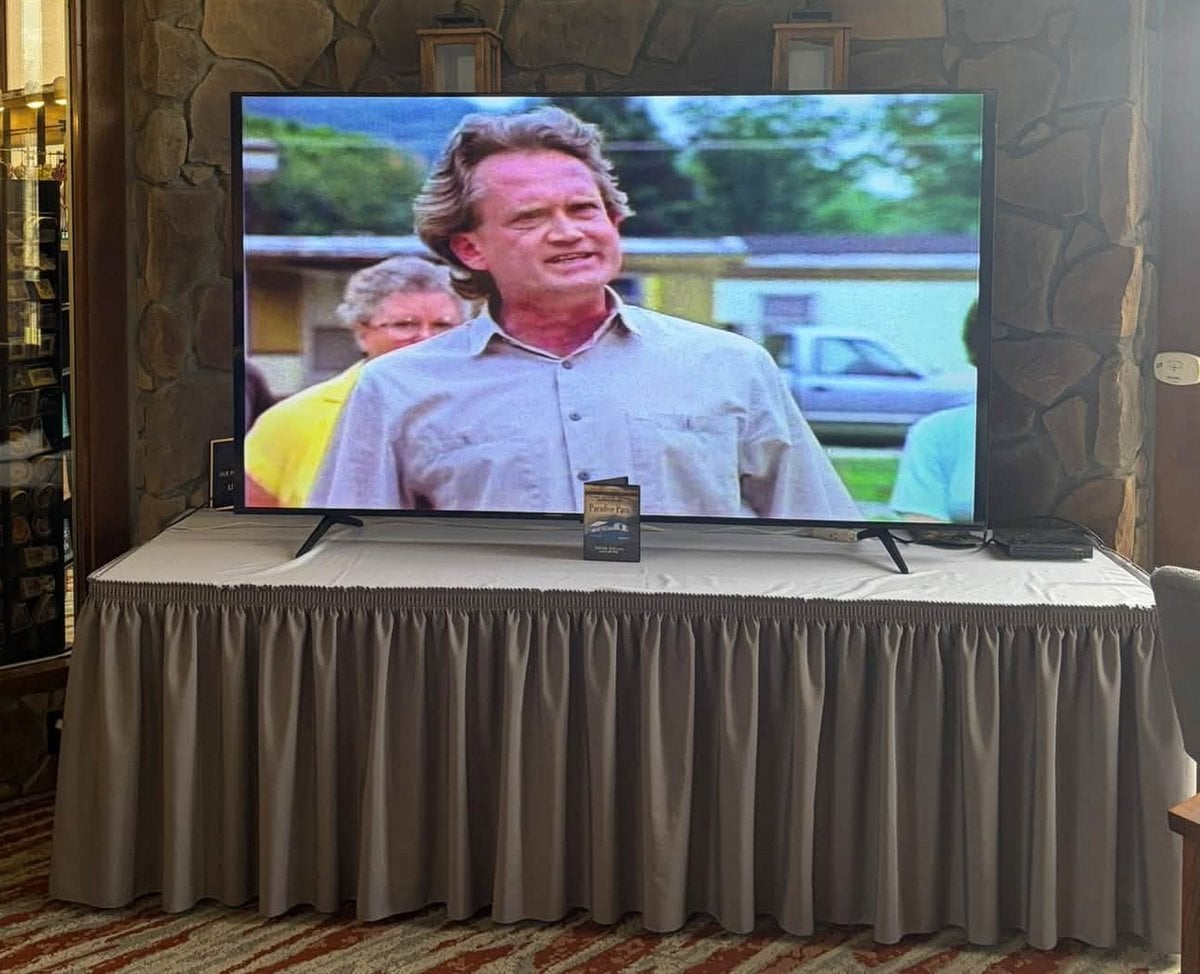
Martin’s induction Saturday into the West Virginia Hall of Fame at Pipestem Resort State Park was accompanied by screenings of Paradise Park, the 1992 independent film directed by Daniel Boyd.
Martin portrayed Avis in the film, which follows residents of a fictional West Virginia trailer park. The cast included country music performers Porter Wagoner and Johnny Paycheck, professional wrestler Dusty Rhodes and silent-film actress Lina Basquette.
The film was among the West Virginia productions that helped establish Boyd’s reputation as an independent filmmaker. West Virginia Explorer has examined his work on Paradise Park and other productions in coverage of his film career.