
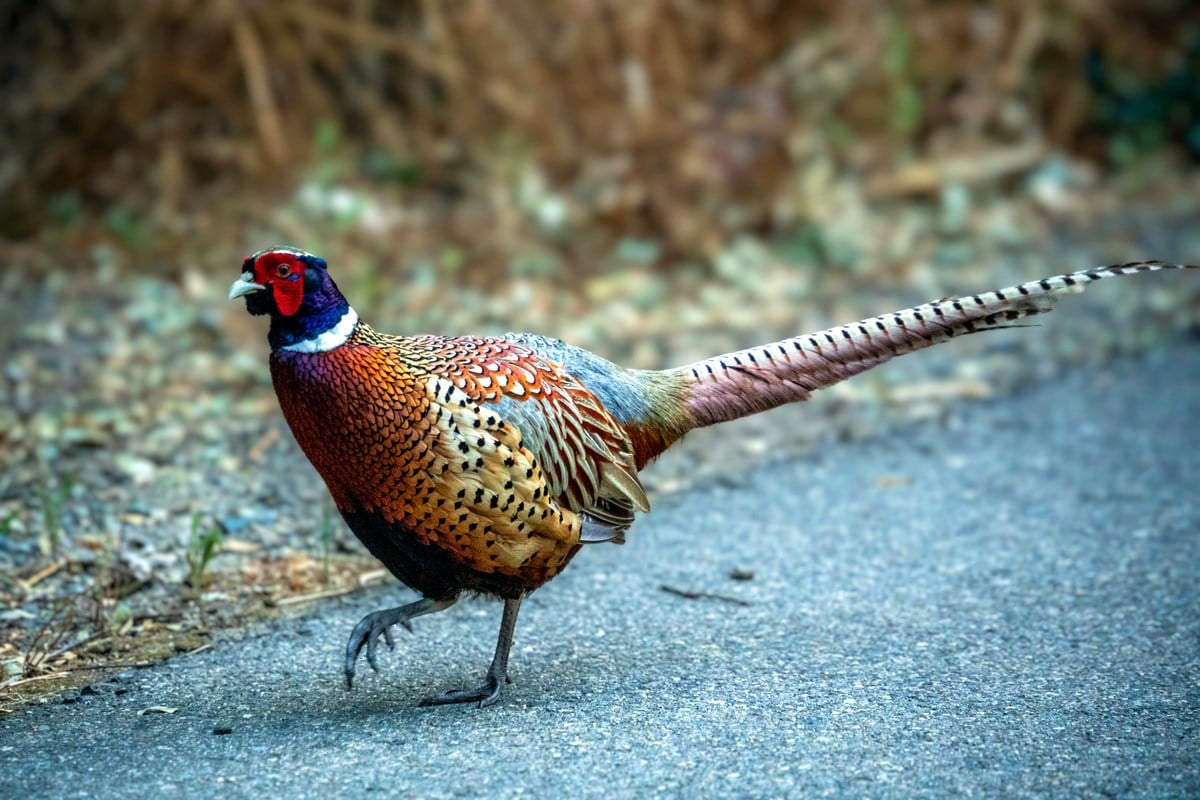
CHARLESTON, W.Va. — Hunters across West Virginia will have new opportunities to pursue rabbits, quail, pheasants, and other small game beginning Saturday, November 7, as the state opens additional hunting and trapping seasons.
According to a press release from the W.Va. Division of Natural Resources, the openings include hunting seasons for bobwhite quail, cottontail rabbits, snowshoe hares, and ring-necked pheasants, along with hunting and trapping seasons for foxes and bobcats. Trapping seasons also begin for several fur-bearing species.
The seasons extend through winter, although closing dates and harvest limits vary by species. Beaver trapping continues through March 31, while the fisher trapping season closes January 31, according to Brett McMillion, the division’s director.
“The opening of small game seasons marks the start of many long-held traditions across the Mountain State,” McMillion said.
“Our diverse public lands and abundant wildlife offer fantastic opportunities for both seasoned outdoorsmen and newcomers taking to the fields and woods for the first time. We encourage all hunters and trappers to prioritize safety and enjoy the unmatched natural beauty West Virginia has to offer.”
West Virginia small game hunting and trapping seasons
The following dates and limits are included in the state’s official 2026–2027 hunting and trapping schedule. Daily limits apply to hunting unless otherwise indicated.
| Species | Season dates | Harvest limit |
|---|---|---|
| Small game hunting | ||
| Bobwhite quail | Nov. 7–Jan. 2 | 3 daily |
| Cottontail rabbit | Nov. 7–Feb. 28 | 5 daily |
| Snowshoe hare | Nov. 7–Feb. 28 | 2 daily |
| Ring-necked pheasant | Nov. 7–Jan. 2 | 2 daily; males only |
| Hunting and trapping | ||
| Red and gray fox | Nov. 7–Feb. 28 | No bag limit |
| Bobcat | Nov. 7–Feb. 28 | 3 per season |
| Trapping | ||
| Raccoon | Nov. 7–Feb. 28 | No bag limit |
| Mink and muskrat | Nov. 7–Feb. 28 | No bag limit |
| Fisher | Nov. 7–Jan. 31 | 1 per season |
| Beaver | Nov. 7–March 31 | No bag limit |
| Otter | Nov. 7–Feb. 28 | 1 per season |
| Skunk, opossum, coyote and weasel | Nov. 7–Feb. 28 | No bag limit |
(All dates beginning in November are in 2026; closing dates are in 2027. Source: W.Va. Division of Natural Resources)
The state has established special restrictions at two wildlife management areas. Bobwhite quail hunting is closed at Tomblin Wildlife Management Area in Logan County, while ring-necked pheasant hunting at Hillcrest Wildlife Management Area in Hancock County runs November 14 through December 5, with a daily limit of one male bird.
Raccoon hunting opened October 17 and continues through February 28, with a limit of four animals during each 24-hour period beginning at 6 a.m. Raccoon trapping opens November 7. Coyote hunting is permitted year-round, although the trapping season is limited to the dates listed above.
Registration requirements for bobcats and furbearers
Hunters and trappers who harvest bobcats must electronically register the animals through WVHunt.com. Trappers must also electronically register harvested beavers, fishers, and otters.
Record the game-check confirmation number the division issues in writing, along with the trapper’s name and address. Keep the information attached to each pelt or whole animal until it is sold, tanned, processed into commercial fur, or mounted.
Additional requirements apply to bobcat and otter pelts sold outside West Virginia. Hunters and trappers must obtain a Convention on International Trade in Endangered Species (CITES) seal for each pelt they intend to sell out of state.
Licensed fur dealers must also ensure bobcat and otter pelts have a seal from the state where the animal was harvested before selling them on the international market. The division’s Elkins Operations Center and district offices provide the seals.
Otter research offers trappers $20 incentive
The division is continuing an otter research project that relies in part on information and specimens trappers collect.
Trappers who harvest radio-tagged otters are asked to report the tag numbers and return the transmitters to the agency’s District 4 office in Beckley.
Those who deliver a legally harvested, electronically registered, skinned otter carcass to a division district office are eligible to receive a $20 gift card.
The research effort allows wildlife officials to gather additional information from harvested animals while continuing to monitor the state’s otter population.
Hunting licenses and regulations
Hunters and trappers age 15 and older must carry a valid West Virginia hunting or trapping license and identification unless they qualify for an exemption, including applicable resident landowner privileges.
Licenses are available online through WVHunt.com.
Hunters and trappers should review the state’s 2026–2027 hunting and trapping regulations before entering the field. The regulations include possession limits, equipment requirements, electronic registration procedures, and restrictions that may apply to individual species or hunting areas.
The state also maintains an online schedule of hunting seasons and harvest limits.