
MORGANTOWN, W.Va. — Appalachia’s customs and traditions will take center stage at West Virginia University next week as the 79th annual Mountaineer Week brings traditional crafts, mountain music, storytelling, and regional foods to the Morgantown campus.
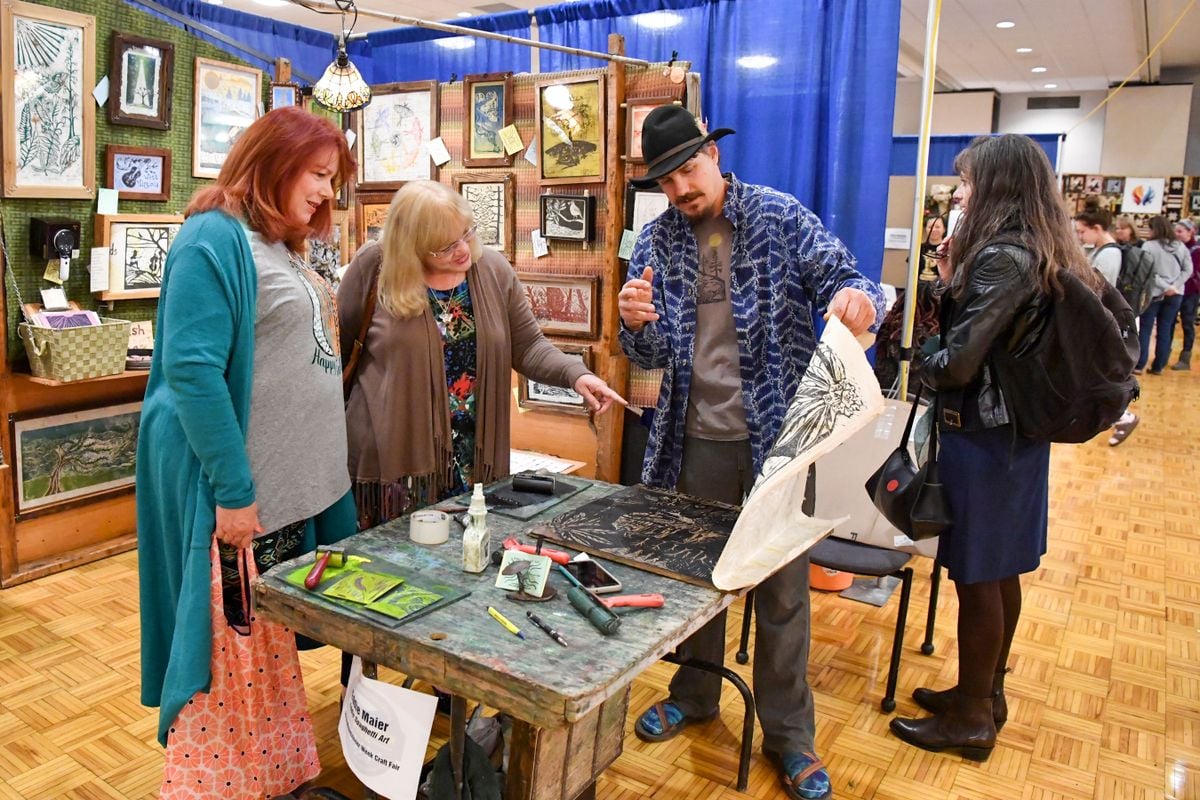
The celebration, scheduled for November 9–15, will include demonstrations of weaving, quilting, woodworking, and other traditional skills, along with an arts and crafts fair featuring artisans from across the region.
For visitors unfamiliar with West Virginia’s history, the celebration also offers an opportunity to explore the origins of the mountaineer identity, which developed long before the figure became the familiar mascot of West Virginia University.
Who were West Virginia’s original mountaineers?
The mountaineer represented a distinctive figure in early accounts of life in the Allegheny Mountains. Residents of isolated mountain communities often depended on farming, hunting, livestock, and household industries, adapting their lives to a landscape where travel and commerce could be difficult.
Many of the skills associated with traditional Appalachian life, including weaving, quilting, and food preservation, were practical necessities. Families produced household goods, preserved seasonal harvests, and relied on neighbors for labor they could not easily accomplish alone.
The mountaineer also acquired political significance during the Civil War. Residents of the western Virginia mountains were divided in their loyalties, but support for the Union among the mountaineers helped shape the movement that led to West Virginia’s statehood in 1863.
As an earlier West Virginia Explorer feature on the historical mountaineer explored, the familiar image of the independent, rifle-carrying mountain resident reflects only part of a more complicated history.
The traditions celebrated during Mountaineer Week offer another perspective on that history, especially the skills, music, and craftsmanship passed down through generations.

Traditional Appalachian crafts return to campus
The week begins Monday, November 9, with WVU’s Beard Growing Contest, an event first held in 1949. Six students who received professional shaves in September will compete for the title of best beard on campus, with judging scheduled for noon in the Mountainlair Food Court.
The contest reflects the popular image of the bearded mountaineer, although that image has changed over time. Historian Jim Comstock, writing about West Virginia’s Union-loyal mountaineers, emphasized that many 19th-century mountain residents were clean-shaven, unlike later depictions of the state’s inhabitants.
Traditional craftsmanship will be represented throughout the week. Fiber artist Kathryn Robinson will demonstrate weaving November 9–11, and visitors can contribute to a community loom project. Printmaker Blaire Phillips will demonstrate her craft November 9–10.
On November 10, participants in a quilting workshop will decorate fabric squares that will be assembled into a quilt for display in the WVU Career Center.
Other activities include a lumberjack demonstration by the WVU Forestry Club on November 11, featuring chopping, sawing, and axe throwing. Natives Fly Fishing will conduct a fly-tying workshop November 12 at the Natural History Museum in Percival Hall.
The university’s Beekeeping Club will also offer a beeswax candle-making activity November 12, while the Graphic Design Club will help participants create buttons featuring quilt patterns.
Storytelling, music, and mountain folklore
Appalachian storytelling will be featured Thursday, November 12, during “Out of the Woods: Echoes, Mimics, and the Unknown,” beginning at 6 p.m. in the Mountainlair Gluck Theater.
The program will feature Adam Booth, recipient of the 2022 West Virginia Governor’s Arts Award for Folk Artist of the Year, along with Larry Jent, Fran Kirk, and Jo Ann Dadisman.
Storytelling has long been an important way to preserve family histories, community memories, and folklore in Appalachia. The event will also recognize winners of the Appalachian Scholars Contest.
Traditional music will be performed throughout the week on the Mountainlair Food Court stage. Scheduled performers include Al Anderson, the Hillbilly Biscuits, the WVU Bluegrass Band, banjo player Matthew Keatley, and hammered dulcimer musicians Pat Harper and Jeff Fedan.
The university will also host screenings of the West Virginia-associated films October Sky and The Mothman Prophecies November 13–14 during its WVUp All Night programming.
Arts and crafts fair opens November 13
Two of the celebration’s principal public attractions, the Arts and Crafts Fair and Quilt Show, will take place November 13–15.
The Arts and Crafts Fair will take place on the second floor of the Mountainlair, with artisans offering pottery, jewelry, books, hand-knitted scarves, photography, candles, and other handmade goods. Participants were selected through a juried process based on craftsmanship and originality.
The Quilt Show, organized by members of the Country Roads Quilt Guild, will be displayed in Elizabeth Moore Hall. The exhibition recognizes a form of needlework that has served both practical and artistic purposes in Appalachian households.
Both events will be open from 11 a.m. to 7 p.m. Friday and Saturday, November 13–14, and from 11 a.m. to 4 p.m. Sunday, November 15.
Other activities include Appalachian food sampling, an apple butter demonstration and sale, and a presentation by the Avian Conservation Center of Appalachia.
The celebration concludes Sunday, November 15, with a white-line printmaking workshop at the Art Museum of WVU, inspired by works by West Virginia-born artist Blanche Lazzell.
WVU will also recognize five seniors as Mountaineers of Distinction during halftime of the November 14 football game against Kansas.
Mountaineer Week events will be held at several locations on the university’s Morgantown campus. Visitors can visit WVU’s Mountaineer Week website for more information and the full schedule.