

POINT PLEASANT, W.Va. — Of the many frightening stories associated with West Virginia, one book has a strong claim to being the scariest ever written.

Published in 1975, The Mothman Prophecies by journalist John A. Keel recounts disturbing events along the Ohio River that preceded one of America’s deadliest bridge disasters.
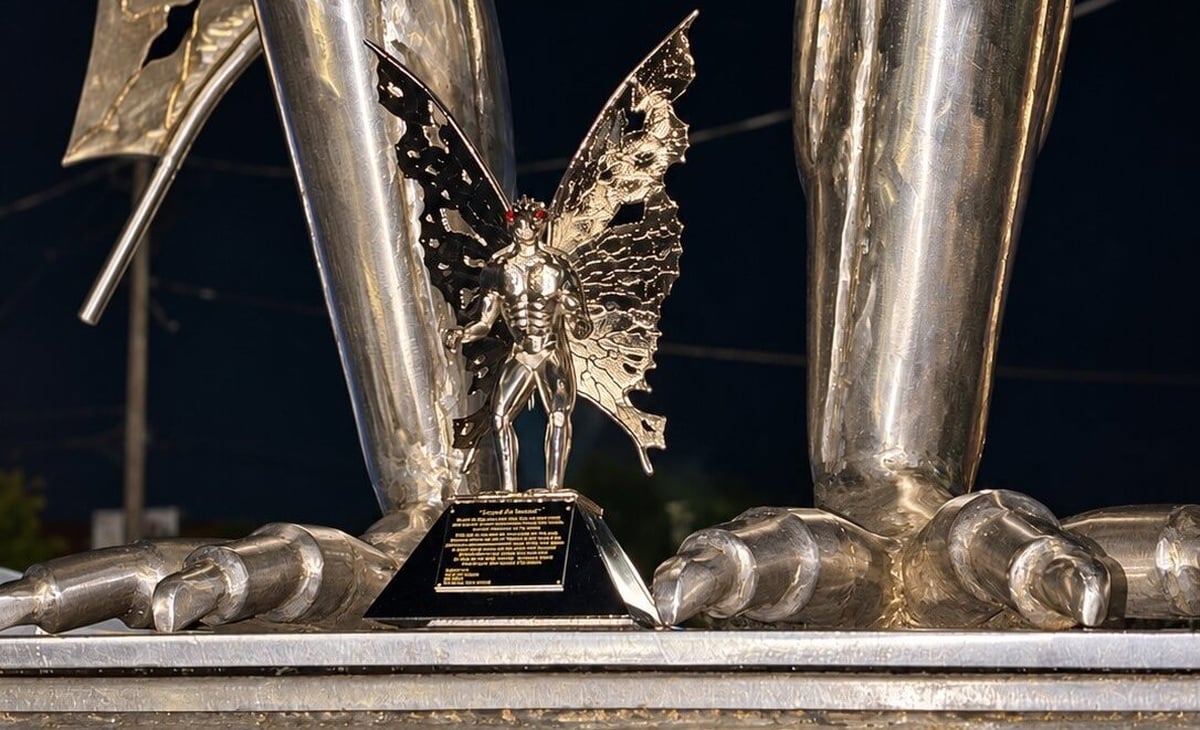
The book covers reports of mysterious lights, a large winged creature, unexplained phone calls, and strangers who seemed to possess knowledge they could not readily explain, often referred to as men in black.
Keel investigated the accounts during 1966 and 1967, gathering testimony from residents who believed they had encountered something beyond ordinary explanation.
His investigation eventually became associated with the collapse of the Silver Bridge over the Ohio River in 1967. Forty-six people died when it fell during Christmas traffic, giving Keel’s narrative a tragic conclusion that distinguishes it from conventional ghost stories.
Terrifying encounter near Point Pleasant
The events that inspired Keel’s book attracted widespread attention on the night of Nov. 15, 1966, when two young couples reported encountering an enormous creature with glowing red eyes.

That night, Roger and Linda Scarberry were out with Steve and Mary Mallette. They said a figure appeared beside the road and pursued their automobile as they fled toward town. They described a winged creature that could keep pace with their speeding car. The chase led through the abandoned U.S. Ordnance Works north of Point Pleasant.
The following day, the Point Pleasant Register published an account under the headline “Couples See Man-Sized Bird…Creature…Something.” Other reports followed, and residents began visiting the abandoned military installation in hopes of seeing the creature themselves.
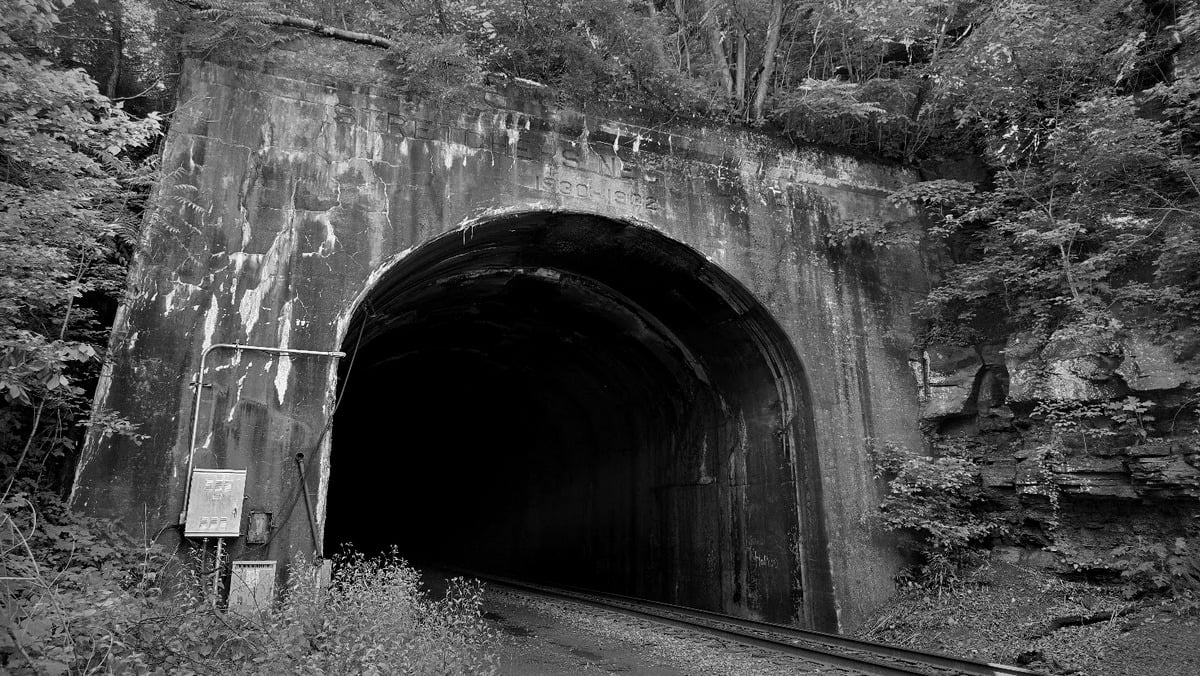
Known locally as the TNT area, the former ordnance works contained deteriorating buildings, wooded roads, and concrete ammunition-storage structures. Its isolation provided an unsettling setting for the encounters, particularly after dark.
According to the WVEncyclopedia’s account of the Mothman, 26 sightings were reported over approximately a year beginning in November 1966. Skeptics suggested that witnesses might have mistaken an unusually large bird, possibly a sandhill crane, for something supernatural.
Keel traveled to the Ohio Valley to investigate the reports. He interviewed witnesses and collected accounts of unusual lights, apparent surveillance, mysterious visitors, and telephone disturbances. His findings eventually became the basis for The Mothman Prophecies.
The legend has since become the subject of considerable study and public fascination. The Smithsonian’s examination of the Mothman phenomenon explores how the reported encounters became part of Point Pleasant’s cultural identity.
The shadow of the Silver Bridge disaster
The most disturbing element of Keel’s book is its suggestion that the strange occurrences around Point Pleasant might have been warnings of an approaching catastrophe.
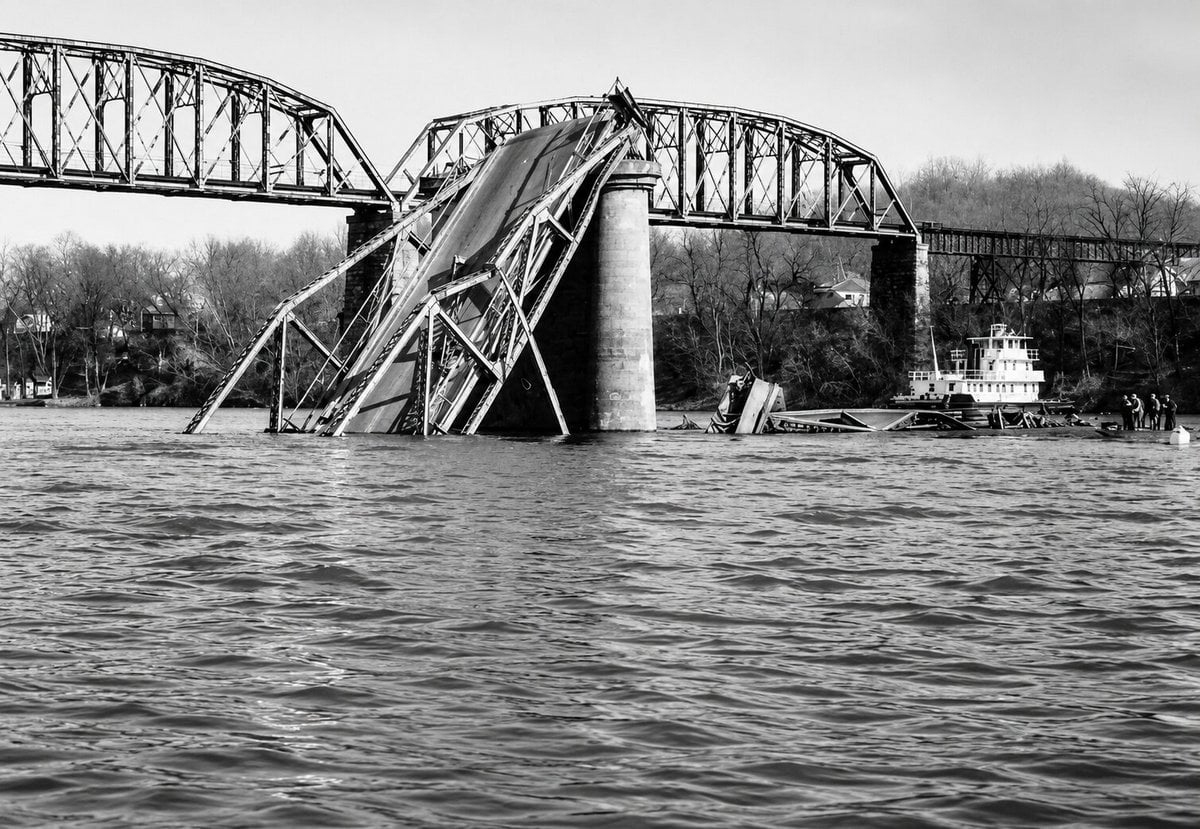
On Dec. 15, 1967, the Silver Bridge collapsed into the Ohio River, carrying vehicles and their occupants into the water. The bridge connected Point Pleasant to the Ohio shore and was crowded with traffic when it failed.
A National Transportation Safety Board investigation determined that the collapse began with the fracture of an eyebar in the bridge’s suspension system. The critical flaw had developed through stress corrosion and corrosion fatigue over the structure’s 40-year life.
Keel interpreted the reported paranormal activity in the preceding months as potentially connected to the disaster. No credible evidence, however, has established that the sightings predicted the collapse or that supernatural forces played any role.
The bridge disaster and its causes are documented history, while Keel’s paranormal interpretations remain unverified. His book is best understood as an investigation of alleged unexplained phenomena rather than an established account of supernatural events.
Nevertheless, the book became an influential work of paranormal literature. Its popularity inspired the 2002 film The Mothman Prophecies, starring Richard Gere and Laura Linney, which introduced the legend to another generation of audiences.
The Greenbrier Ghost: A rival for the title
Another West Virginia story deserves consideration, particularly among readers who prefer accounts grounded in documented criminal cases.

The Greenbrier Ghost concerns the 1897 death of Zona Heaster Shue, a young woman whose mother claimed that her daughter’s spirit returned to identify her murderer.
Zona died shortly after marrying Edward Shue. Her mother, Mary Heaster, became suspicious of the circumstances and later said that Zona had appeared to her repeatedly, describing how her husband had broken her neck.
Authorities exhumed Zona’s body and discovered evidence of a violent death. Edward Shue was subsequently tried, convicted of murder, and sentenced to life imprisonment.
As the WVEncyclopedia’s history of the Greenbrier Ghost explains, Mary’s account of the supposed apparitions became part of the courtroom testimony. The conviction, however, cannot be attributed solely to the ghost story; investigators also presented evidence concerning Zona’s death.
The case has appeared in newspapers, folklore collections and historical accounts for more than a century. Its unusual combination of a documented murder prosecution and a mother’s claim that her dead daughter helped solve the crime has kept the story alive.
West Virginia Explorer has published an extensive account of the Greenbrier Ghost, reproducing a version of the story that appeared in the New York Sunday American around 1910.
Unlike The Mothman Prophecies, the Greenbrier Ghost isn’t tied to a single definitive literary work. Its many retellings make it difficult to identify one version as the most frightening.
West Virginia’s tradition of ghost stories
Folklorist Ruth Ann Musick devoted much of her career to collecting supernatural tales told by West Virginians. Her books, including The Telltale Lilac Bush and Other West Virginia Ghost Tales and Coffin Hollow and Other Ghost Tales, preserve accounts of apparitions, unexplained deaths and encounters associated with particular communities.
Musick came to Fairmont State College in 1946 and helped revive the West Virginia Folklore Society in 1950. She founded the West Virginia Folklore Journal the following year and edited it until 1967. Her collections preserved stories that might otherwise have disappeared as the state’s oral traditions changed.
The WVEncyclopedia’s survey of ghostlore identifies several recurring types of supernatural stories, including helpful spirits, restless ghosts, and apparitions seeking revenge. Mining accidents, violent deaths, and the dangers of railroad construction contributed to the traditions that developed in communities across the state.
Keel’s book emerged from a different period. The Mothman sightings occurred in a community served by newspapers, telephones, and automobiles, and witnesses described their experiences to reporters while the events were still unfolding.
That contemporary setting helped the story reach readers who might otherwise have regarded Appalachian ghost tales as relics of an earlier age.
Why The Mothman Prophecies stands apart
Determining the scariest story ever written about West Virginia is necessarily a matter of judgment. The Greenbrier Ghost has an exceptional historical foundation, while Musick’s collections include numerous accounts that can unsettle readers.

The Mothman Prophecies makes its strongest claim through the atmosphere of uncertainty Keel created from eyewitness testimony and his own investigations. His narrative repeatedly raises the possibility that the people of Point Pleasant were experiencing events they could neither explain nor control.
The book also has an unusual place in West Virginia’s cultural history. The Mothman legend has become closely associated with Point Pleasant, where a downtown statue, museum, and annual festival commemorate the creature and the reports that made it famous.
The Mothman attractions in Point Pleasant have become part of the town’s appeal to visitors interested in West Virginia folklore.
Nearly 60 years after the original sightings, the creature’s identity reported near the TNT area remains unknown. The Silver Bridge disaster, meanwhile, is understood through the engineering investigation that followed it.
Keel brought those two histories together in a book that still shapes how readers understand one of West Virginia’s most famous legends.