
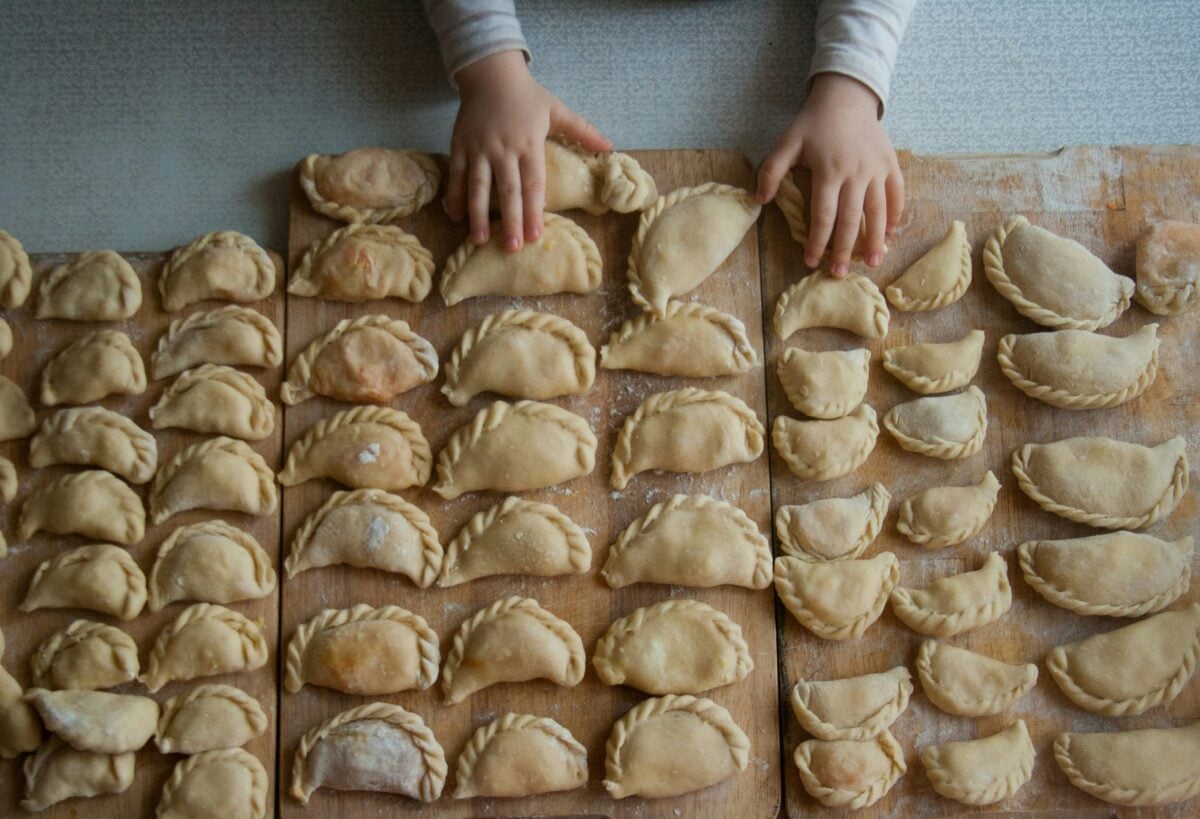
WHEELING, W.Va. — In the industrial valleys of the Ohio and Monongahela rivers, immigrants from central and eastern Europe helped establish a distinctive culinary culture that remains evident throughout northern West Virginia.

From Weirton to Wheeling to Fairmont, Clarksburg, and Morgantown, the descendants of immigrants who worked in coal mines, glass factories, and steel mills have preserved recipes brought from their ancestral homelands. Among the best-known are pierogies, the crescent-shaped dumplings that lend themselves particularly well to a Thanksgiving dinner.
Though Appalachian cooking is often associated with the traditions of its early British and Irish settlers, the kitchens of northern West Virginia also reflect the influence of Polish, Ukrainian and other central and eastern European immigrants.
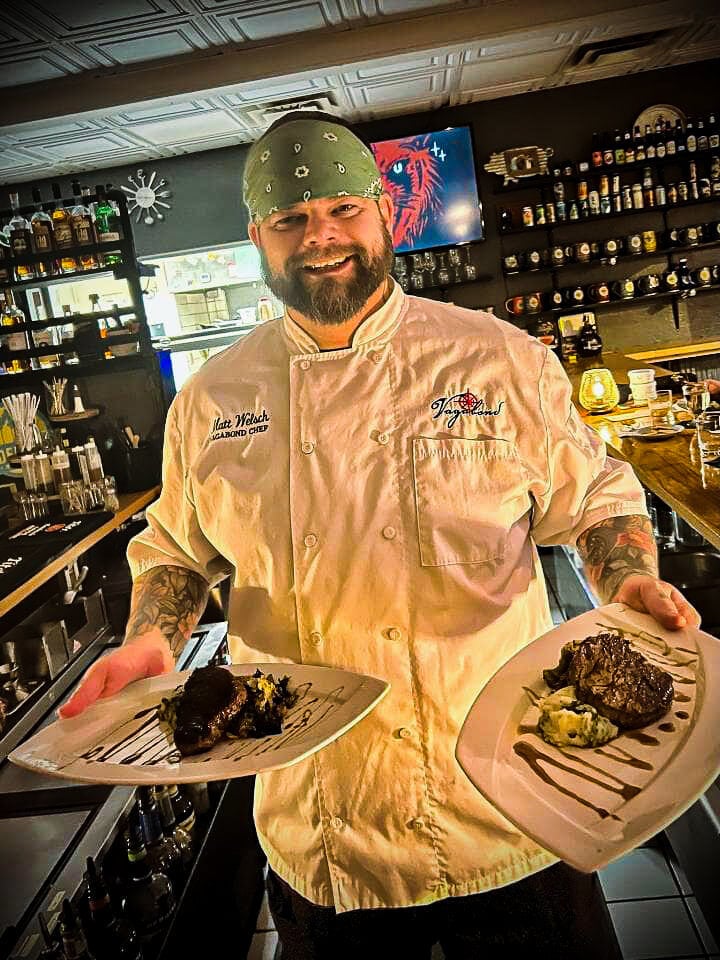
“There’s nothing more Ohio Valley than putting starch inside of starch,” said Matt Welsch, executive chef for West Virginia State Parks and owner of the Vagabond Kitchen in Wheeling. “Pierogies are the perfect food to turn a sack of flour and a bushel of potatoes into a meal that feeds the whole family.”
From Eastern Europe to northern West Virginia
As industry expanded across the Northern Panhandle and Monongahela Valley in the late 19th and early 20th centuries, immigrants established ethnic neighborhoods, churches, and fraternal organizations. Parish kitchens became important places for preserving the customs of their homelands.
Known as “pierogi” in Poland and “varenyky” in Ukraine, the dumplings have counterparts throughout central and eastern Europe. Their fillings vary considerably, incorporating everything from potatoes and cheese to cabbage, mushrooms and fruit.
The W.Va. Folklife Program’s Wheeling Community Cookbook documents their significance in family celebrations, including Wigilia, the traditional Polish Christmas Eve supper.
A century in a South Wheeling church kitchen
At Our Lady of Perpetual Help Ukrainian Catholic Church on Jacob Street in South Wheeling, parishioners have been making pierogies to support their congregation since the 1910s.
In 2024, West Virginia Public Broadcasting reported that volunteers were preparing more than 1,000 dumplings a week. A 2020 report by Weelunk indicated that holiday production could reach 300 dozen.
The parish kitchen has also supplied local restaurants, extending its influence beyond the congregation.
“When I ran the kitchen for Wheeling Brewing Company in Centre Market, we bought our pierogies from the Ukrainian parish,” Welsch said. “That money went straight back into the church. That’s how food should move in a town like this.”
In March 2026, Lede News reported that 101-year-old parishioner Olga Skvarka was still helping prepare the church’s Lenten fish fries.
The church, at 4136 Jacob St., generally sells pierogies and cabbage rolls on Thursdays from 9 a.m. to 4 p.m. Customers may call 304-232-1777 to order ahead or confirm holiday availability.
Serving pierogies at Thanksgiving
Though making pierogies from scratch can be time-consuming, family members can share the work of rolling dough, preparing fillings, and sealing dumplings.
Welsch learned to make them from chef Libby Nolle at Oddfellers in Richwood in the mountains of the central state.
“Flour, water, a little fat, a filling, and your hands,” he said. “They’re elegantly simple, delicious, and versatile. Potato and cheese, sauerkraut, whatever the season gives you.”
At Thanksgiving, dumplings filled with potatoes and cheese can replace mashed potatoes, while those filled with sauerkraut offer a tart contrast to the richer dishes on the table.
For families looking to incorporate more of West Virginia’s culinary heritage into the American holiday, Welsch recommends a simple preparation.
“Fry them in butter with onions and set them next to the turkey, and nobody at the table is going to ask whether they should be there.”
Thanksgiving, unlike many religious holidays observed by European immigrants, gave families a chance to blend cooking from their ancestral homelands with American customs. A holiday dinner might include dishes familiar to nearly every American alongside specialties rarely encountered outside the industrial communities of northern Appalachia.
For West Virginians who have moved elsewhere, preparing such foods can be a particularly meaningful connection to home. Recipes immigrant families carried to the Ohio and Monongahela valleys now travel in the opposite direction, accompanying their descendants to other parts of the country. Around the holiday table, these regional distinctions can become a source of family pride.