
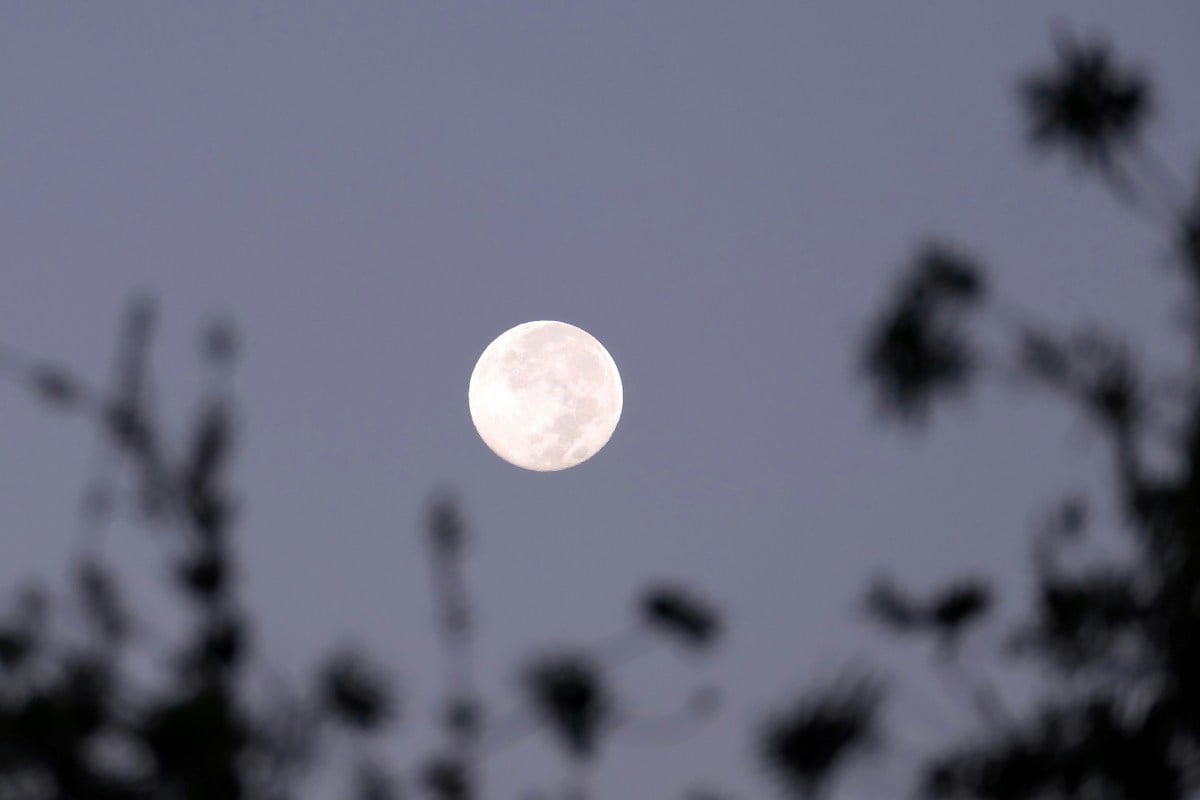
BECKLEY, W.Va. — The Hunter’s Moon will rise over West Virginia on Sunday evening, October 25, recalling an era when autumn hunting and harvesting helped mountain families prepare for winter.
Reaching peak illumination early Monday, October 26, the full moon takes its name from an old seasonal hunting tradition. In Appalachia, the autumn moon also figured in folk beliefs about planting, butchering, and preserving food, customs that survived long after their practical origins faded.
Why is it called the Hunter’s Moon?
The Hunter’s Moon is the first full moon after the Harvest Moon, which occurs nearest the autumnal equinox. It usually appears in October but occasionally falls in November.
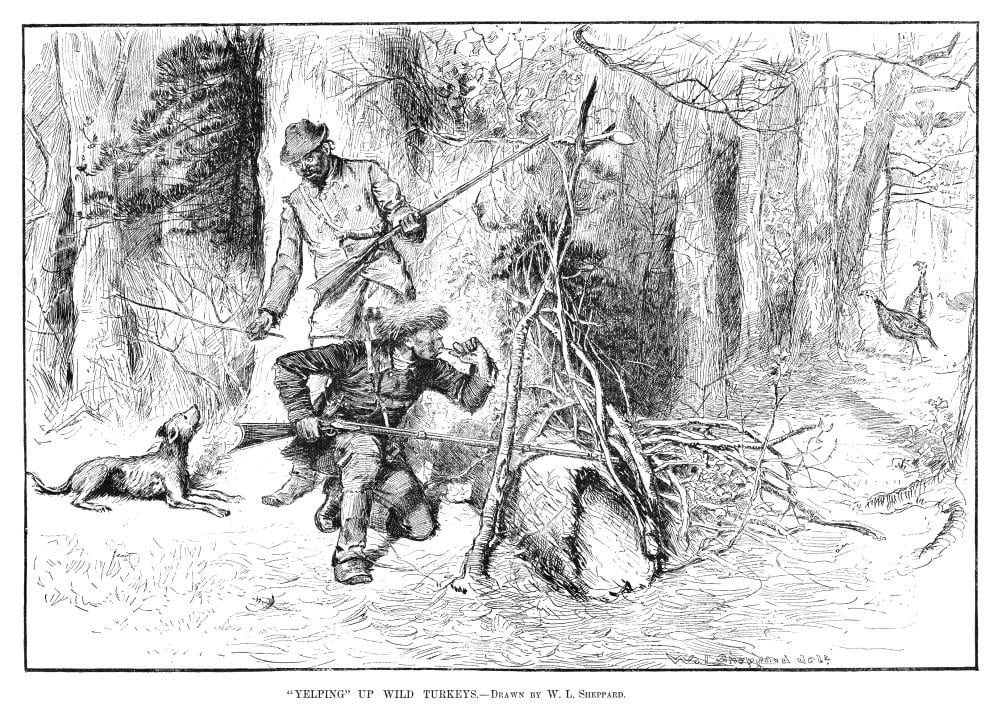
With crops gathered and vegetation thinning, game could be easier to locate, while cooler autumn temperatures favored meat preservation.
The moon’s appearance also offered a practical advantage. Around the Harvest Moon and Hunter’s Moon, successive moonrises occur relatively close together, providing additional natural light in the early evening.
The effect results from the angle at which the moon’s orbit meets the eastern horizon in autumn. In West Virginia’s mountains, however, steep ridges can delay the moon’s appearance even after its calculated rising time.
The Farmers’ Almanac also records names such as the Travel Moon, Dying Grass Moon, and Sanguine Moon, reflecting different cultural associations with the season. Other traditional moon names include the Beaver Moon of November and the Wolf Moon of January, both associated with seasonal changes in wildlife and rural life.
Hunting and the Appalachian autumn
Hunting provided meat, hides, and other materials for generations of mountain families. Deer, bear, turkey, and smaller game supplemented livestock and farm crops.
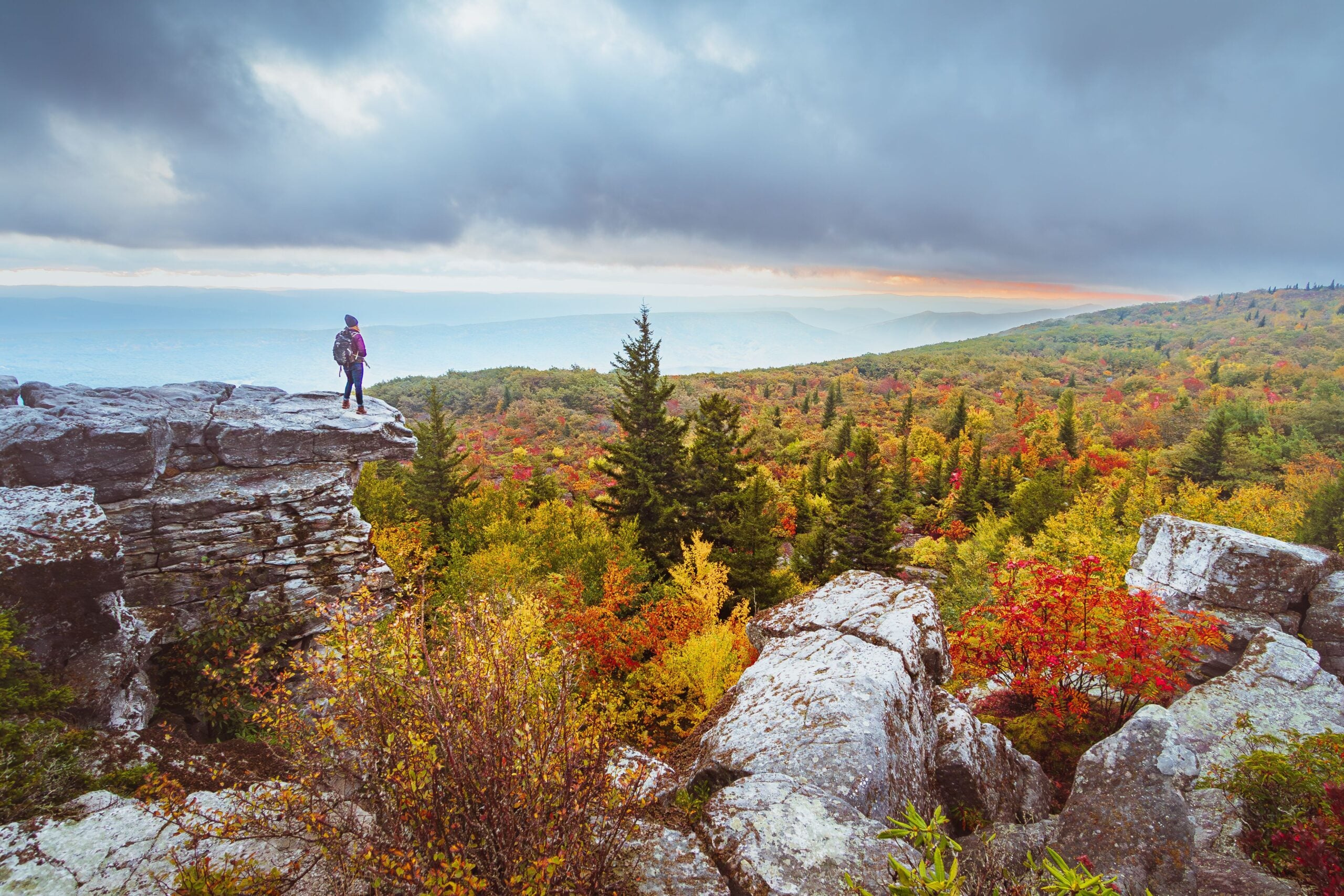
Autumn hunting coincided with the ripening of acorns, hickory nuts, and chestnuts, which attracted wildlife into the hardwood forests.
Before chestnut blight devastated the American chestnut in the early twentieth century, its abundant nuts were an important food source for wildlife and livestock. The trees once dominated portions of the Appalachian forest.
Hunters familiar with game animals’ seasonal movements and feeding habits could take advantage of these annual changes.
Moon signs and mountain folklore
Beyond hunting, lunar phases played a major role in Appalachian agricultural traditions. Families consulted almanacs to determine favorable times for planting, cutting timber, butchering livestock, and preserving food.
The practice, commonly called planting by the signs, combined moon observations with zodiac beliefs that European settlers brought to Appalachia.
As documented by Berea College Magazine, gardeners associated particular zodiac signs with parts of the human body and used them to determine when to plant certain crops.
The tradition survived into modern times in southern West Virginia. In a 2014 account published by Grow Appalachia, Bea Sias of Logan County recalled that her father consulted an almanac before planting.

“He always said if the signs are in the upper torso of your body it was a good time to plow and set out plants,” she wrote.
Sias also remembered family beliefs that the full moon was an unfavorable time to plant or pickle.
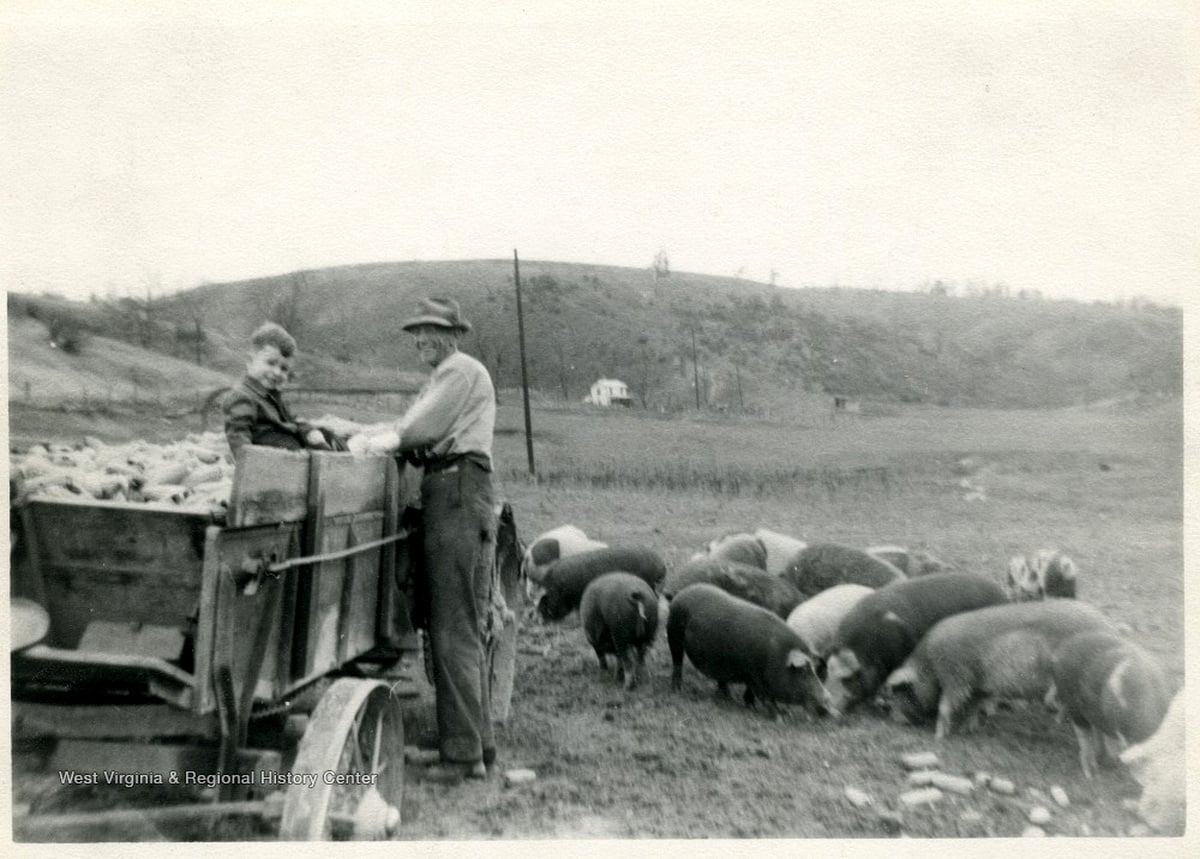
Similar beliefs influenced the timing of traditional hog killing in West Virginia, when families sometimes consulted moon signs before butchering and preserving meat. Other lunar traditions survive in accounts of the Worm Moon of March, whose seasonal associations West Virginia gardeners have discussed.
Such customs varied among communities and families. Although lunar gardening remains part of Appalachian folk culture, scientific evidence has not established that zodiac signs determine the success of agricultural work.
The Hunter’s Moon itself was not associated with a single, universally recognized Appalachian superstition. Its importance lay chiefly in the season it marked.
Watching the Hunter’s Moon in West Virginia
The Hunter’s Moon will be visible across West Virginia wherever skies are clear, although mountains and trees may obstruct the eastern horizon.
Observers may notice the moon appears unusually large when it rises above a ridge or distant landscape. This is an optical phenomenon called the moon illusion, rather than an actual increase in the moon’s apparent diameter.

A Space.com viewing guide explains the timing and appearance of the 2026 Hunter’s Moon.
The moon will remain nearly full on the evenings surrounding October 26, giving observers several opportunities to see it above West Virginia’s autumn landscape.