
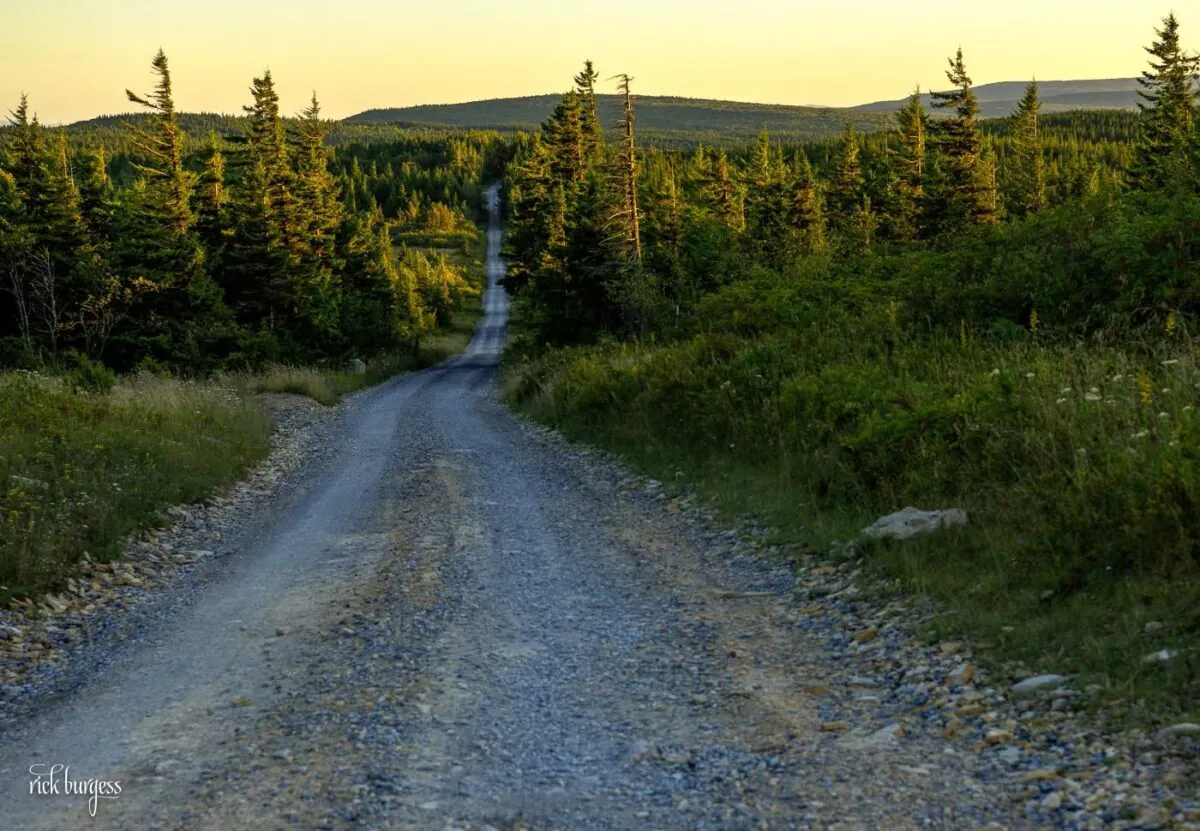
THOMAS, W.Va. — Visitors planning trips to the popular Dolly Sods Wilderness this summer will need to adjust their plans starting June 22, when the U.S. Forest Service closes a key access road for repairs.
Forest Road 19, one of the principal routes to portions of the Dolly Sods Wilderness on the Monongahela National Forest, will be closed during repairs in the Cheat-Potomac Ranger District. The closure is intended to protect public safety, according to forest officials and forest service spokesperson Josh Poling.
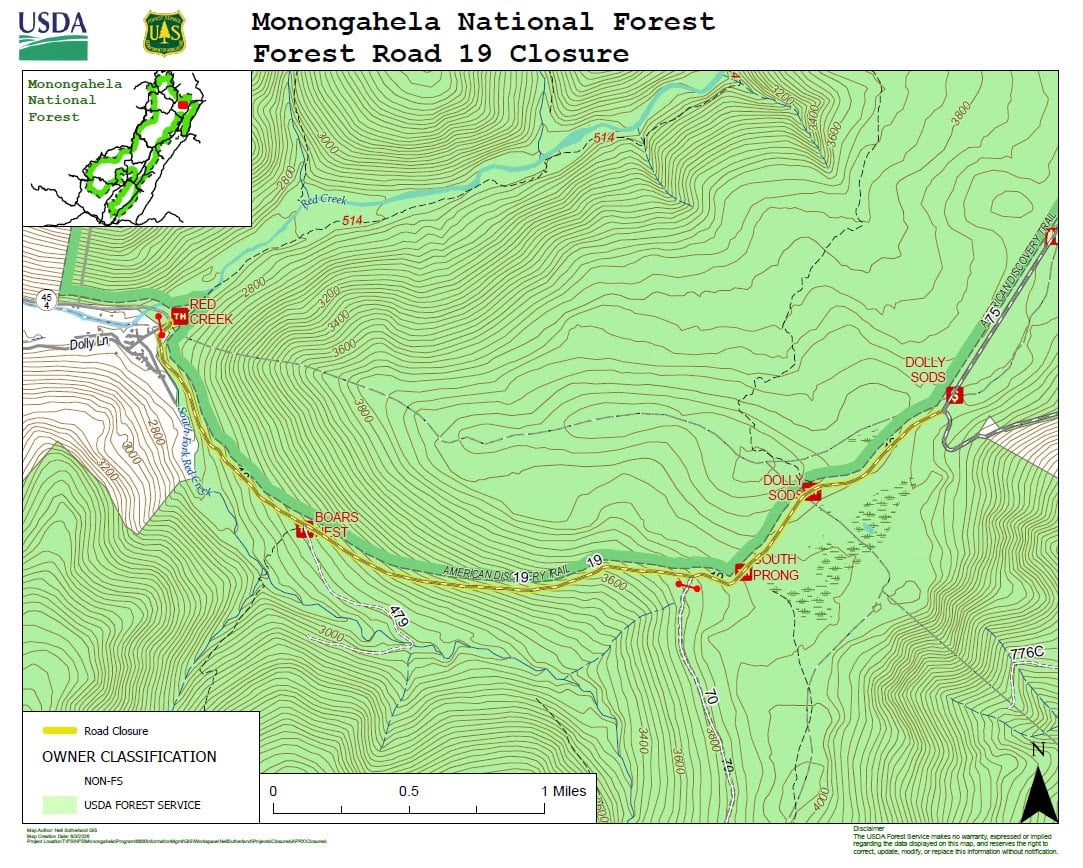
What visitors should know about Forest Road 19 closure
The closure will extend from the existing gate near Laneville in Randolph County to the intersection with Forest Road 75. Vehicle traffic will not be permitted through the affected section, though foot travel along the roadway will remain allowed.
Visitors are asked to avoid active construction areas and to obey all posted closure notices.
Despite the closure, access to Dolly Sods Wilderness will remain available via Jordan Run Road near Hopeville, allowing hikers, backpackers, and sightseers to continue reaching many destinations within one of West Virginia’s most celebrated outdoor recreation areas.
Forest officials have not announced when the work is expected to be completed, saying the timeline is still under evaluation and emphasizing that Dolly Sods itself remains open and accessible despite the road work.
Visitors planning trips in the coming weeks are encouraged to review current road conditions and access information before departing. Officials also ask travelers to respect all closure signs and avoid bypassing barricades or construction zones.
Updates on the Forest Road 19 closure and repair schedule will be posted by the Monongahela National Forest as additional information becomes available.
For many hikers, photographers and outdoor enthusiasts, the temporary inconvenience will be a small price to pay for continued access to one of West Virginia’s most remarkable wilderness landscapes — a place whose windswept ridges, high-elevation bogs and expansive mountain views continue to draw visitors year after year.
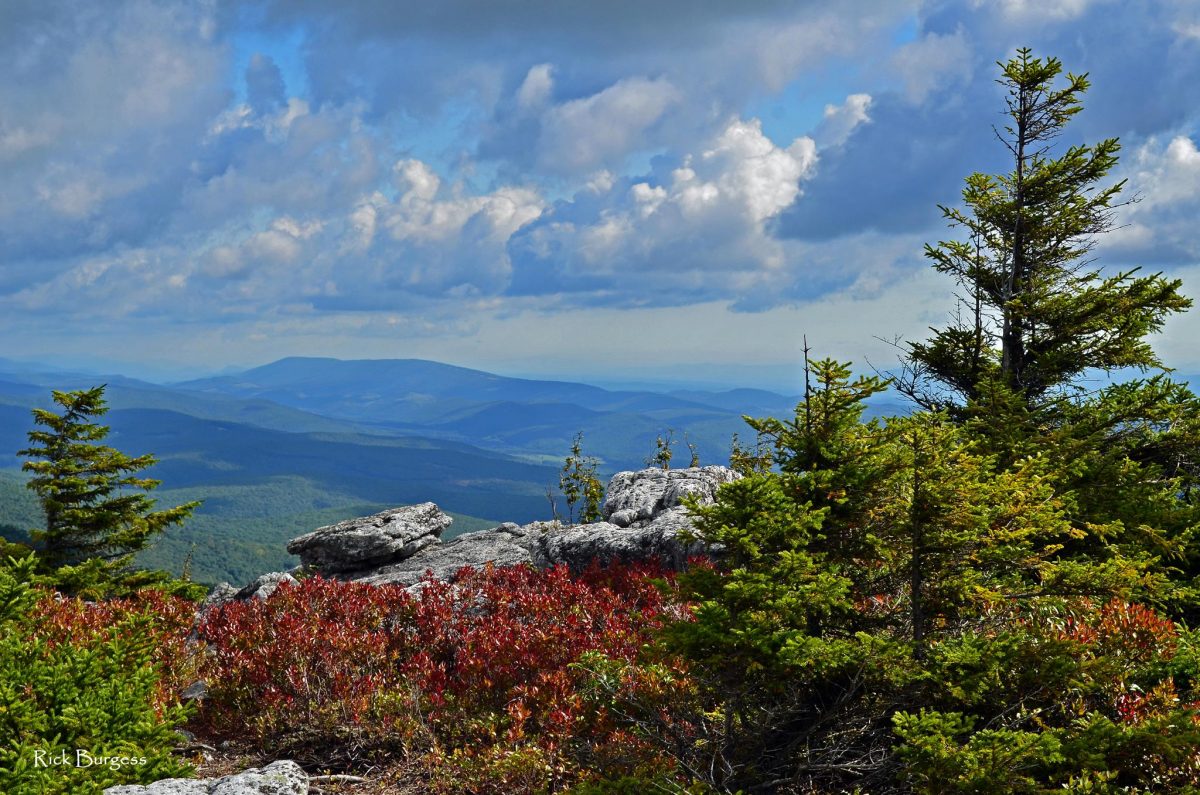
The closure affects an area that serves as a gateway to one of the Mountain State’s most-visited wilderness destinations. Located atop the Allegheny Plateau in eastern West Virginia, Dolly Sods Wilderness encompasses more than 17,000 acres of rugged high-country terrain unlike anywhere else in the Appalachian Mountains.
The area is known for sweeping vistas, wind-shaped red spruce forests, open meadows, rocky outcrops, and rare northern plant communities that resemble landscapes found hundreds of miles farther north in Canada.
Petersburg nearest full-service community during repair
Visitors using the alternate access route to Dolly Sods during the Forest Road 19 closure will likely find Petersburg to be the nearest full-service community.
Located southeast of the wilderness near the Jordan Run Road approach, Petersburg offers fuel, grocery stores, restaurants, lodging, pharmacies, and other services that many travelers seek before entering the remote backcountry.
While towns such as Davis and Thomas remain popular gateways to Dolly Sods, particularly for visitors approaching from the north, the temporary closure of Forest Road 19 is expected to make Petersburg a more convenient stopping point for many hikers, campers, and sightseers accessing the wilderness from the south and east.
Dolly Sods also holds a unique place in American environmental history
The wilderness draws thousands of outdoor enthusiasts each year from across the Mid-Atlantic region to explore its trail network. Backpackers are particularly drawn to the area for its remote feel, expansive views, and opportunities for multi-day excursions through some of the most scenic terrain in the eastern United States.

Among the most popular destinations is Bear Rocks, a dramatic overlook perched along the eastern edge of the plateau. The site offers panoramic views across the mountains and valleys below and has become one of West Virginia’s most photographed natural landmarks.
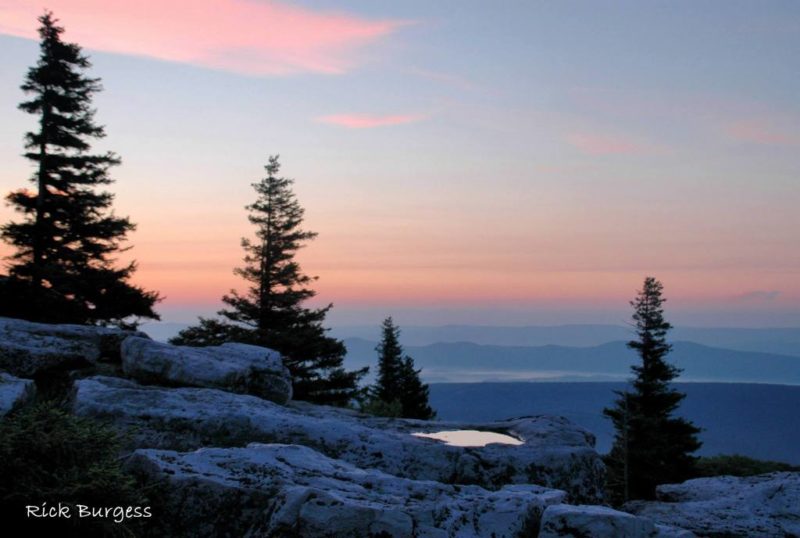
Other frequently visited destinations include Red Creek, Lion’s Head, Raven Ridge, and the Rocky Ridge Trail. During autumn, the area’s extensive blueberry and huckleberry shrubs contribute to some of the state’s most colorful fall foliage displays, attracting photographers and leaf-peepers from across the region.
The area was heavily logged in the late nineteenth and early twentieth centuries, and portions were later damaged by fires and military training exercises during World War II. Decades of conservation efforts eventually restored the landscape, leading to its designation as a federally protected wilderness area in 1975.
Today, visitors encounter a landscape shaped by elevation, weather, and isolation. At elevations exceeding 4,000 feet, temperatures are often significantly cooler than in the surrounding lowlands. Dense fog, sudden storms, and strong winds can occur even in summer, conditions that contribute to the area’s distinctive character.
Because of its popularity, access roads such as Forest Road 19 are essential for reaching trailheads, overlooks, and campgrounds. The upcoming closure is expected to require some travelers to use alternate routes, particularly those approaching from the west.
Why Dolly Sods is one of West Virginia’s most popular hiking destinations
Dolly Sods has earned a reputation as one of the premier hiking destinations in the eastern United States, drawing visitors from across West Virginia, Virginia, Maryland, Pennsylvania, and beyond.
Unlike many mountain recreation areas defined by a single waterfall, overlook, or summit, Dolly Sods is valued for the experience of traveling through a landscape that feels markedly different from the rest of Appalachia.
Much of the wilderness lies atop a high-elevation plateau that exceeds 4,000 feet above sea level. The combination of elevation, persistent winds, and a cool climate has created an environment more commonly associated with northern New England or southeastern Canada.
Hikers encounter open meadows, heath barrens, cranberry and blueberry thickets, boggy wetlands, and red spruce forests shaped by decades of harsh weather.
The area’s extensive trail system offers visitors a wide range of scenery. Some trails lead to dramatic overlooks such as Bear Rocks and Lion’s Head, where sweeping views stretch across the Allegheny Mountains.
Others follow Red Creek through remote valleys, crossing streams and passing beneath dense forest canopies. Backpackers often combine several trails into multi-day loops, making Dolly Sods one of the most popular wilderness backpacking destinations in the Mid-Atlantic.
Seasonal changes also contribute to the area’s popularity. Spring brings wildflowers and fresh mountain greenery, while summer offers cooler temperatures than at many lower-elevation locations. Autumn is particularly famous, as vast stretches of blueberry and huckleberry shrubs turn brilliant shades of red, orange, and gold, creating some of West Virginia’s most striking fall foliage displays.
What visitors should know before visiting
Although Dolly Sods is accessible to day hikers and families, the wilderness can be more challenging than many first-time visitors expect.
Weather conditions can change rapidly. Even in summer, temperatures may be significantly cooler than in nearby valleys, and dense fog, rain, and strong winds can develop with little warning. Visitors should carry extra clothing, water and navigation tools, especially when venturing away from major trailheads.
Many trails are also known for muddy conditions. Wetlands, stream crossings, and poorly drained soils are common throughout the wilderness, and hikers should be prepared for muddy boots regardless of the season. Waterproof footwear is often recommended.
Cell phone service is limited or unavailable in many parts of the wilderness, so visitors should share travel plans before departing. Maps are also advisable, as trail intersections can be confusing in remote sections of the plateau.
With Forest Road 19 temporarily closed, travelers should allow extra time to reach trailheads and overlooks via alternate routes. Checking current road conditions before leaving home can help prevent delays and ensure a smoother visit.
For those willing to prepare for its challenges, Dolly Sods offers an outdoor experience unlike any other in West Virginia — a landscape of open skies, rugged trails and mountain vistas that continues to inspire hikers generation after generation.