
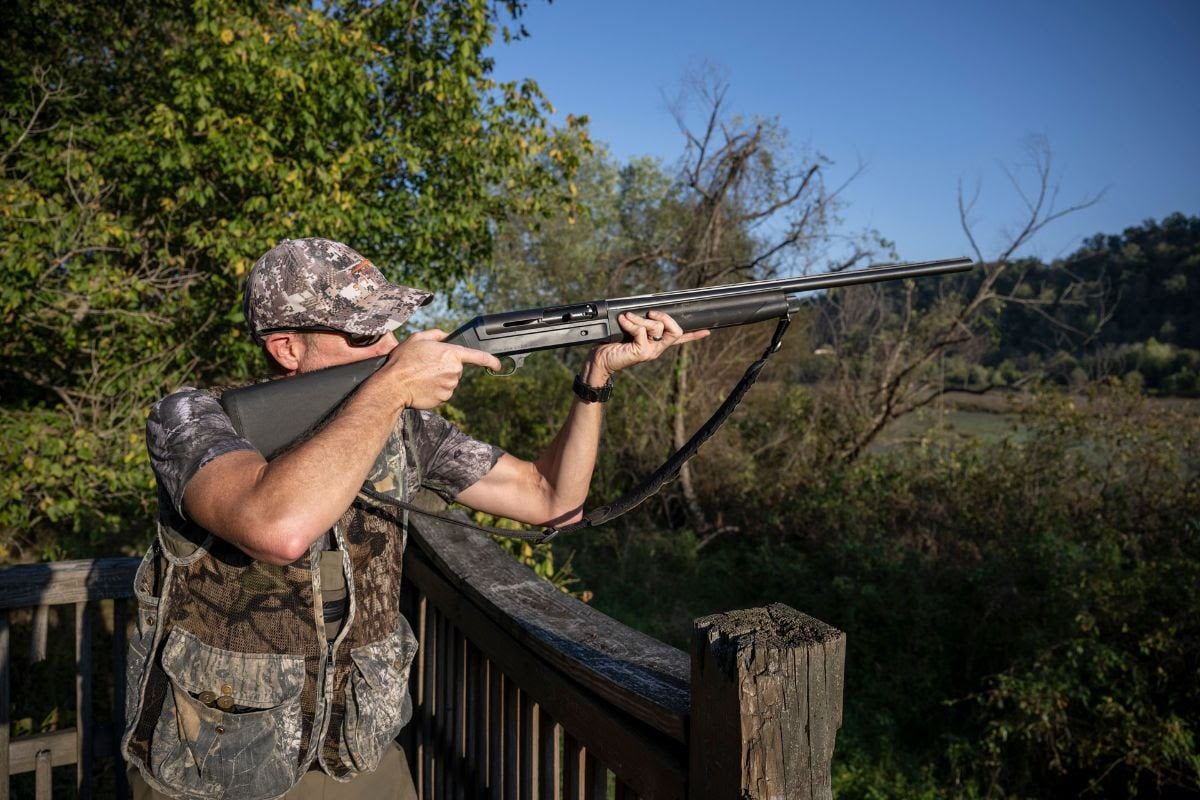
POINT PLEASANT, W.Va. — The W.Va. Division of Natural Resources is accepting applications for a controlled waterfowl hunt scheduled for Oct. 3-11 at McClintic Wildlife Management Area near Point Pleasant in Mason County.

Waterfowl hunters who wish to participate must submit their application by 11:59 p.m. on Aug. 14 at WVHunt.com, according to Brett McMillion, director of the division. Successful applicants will be notified by mail in the second week of September.
McMillion said controlled hunts are vital for preventing and correcting habitat imbalances in management areas.
“Controlled hunts like this are an important part of our mission to manage wildlife resources responsibly, while also giving hunters access to high-quality hunting experiences,” McMillion said.
How the controlled waterfowl hunt works
The event will allow hunters to hunt from a shooting station in a controlled waterfowl hunting zone at the management area during the October split of the waterfowl season, he said.
Successful lottery applicants are assigned an area free of charge and may bring one guest. A shooting station is also available to hunters with disabilities.
Successful applicants will be randomly assigned a day to hunt. They must report to the McClintic Wildlife Management Area office before 6 a.m. that day.
Applicants not selected may come to the McClintic office on the morning of each day’s hunt to sign up for an opportunity to hunt any shooting stations not filled by selected hunters.

For more information, consult the West Virginia Migratory Bird Hunting Regulations, which will be available online at WVDNR.gov and at division offices by the end of August.
Just try to avoid hunting Mothman
For a general audience, McClintic is best known not for hunting but for its association with “Mothman,” a legendary winged cryptid said to haunt the area.

The part of the management area associated with the monster is commonly called the “TNT Area” because it occupies part of the former World War II-era West Virginia Ordnance Works, whose establishment some believe attracted the creature to the region.
The first reported sightings of the Mothman occurred in this area in 1966, and the abandoned bunkers, ponds, wetlands, and former industrial ruins have become a major draw for paranormal enthusiasts visiting Point Pleasant.
Each September, Point Pleasant celebrates its famous winged cryptid during the annual Mothman Festival, scheduled for Sept. 19-20, 2026, and typically attracts 10,000 to 15,000 visitors from across the United States and abroad. Recent festivals have drawn record crowds exceeding 30,000 over the two-day event.
About the McClintic Wildlife Management Area
The 3,655-acre McClintic Wildlife Management Area contains one of the state’s most significant concentrations of wetland habitat. Its landscape consists chiefly of old fields, brushy thickets, shallow marshes, open-water ponds, and bottomland hardwood forests, which together create a mosaic of habitats supporting a remarkable diversity of plant and animal life.
Its numerous wetlands provide critical feeding, nesting, and resting habitat for migratory birds traveling through the Ohio River Valley, an important flyway corridor linking northern breeding grounds with wintering areas farther south.
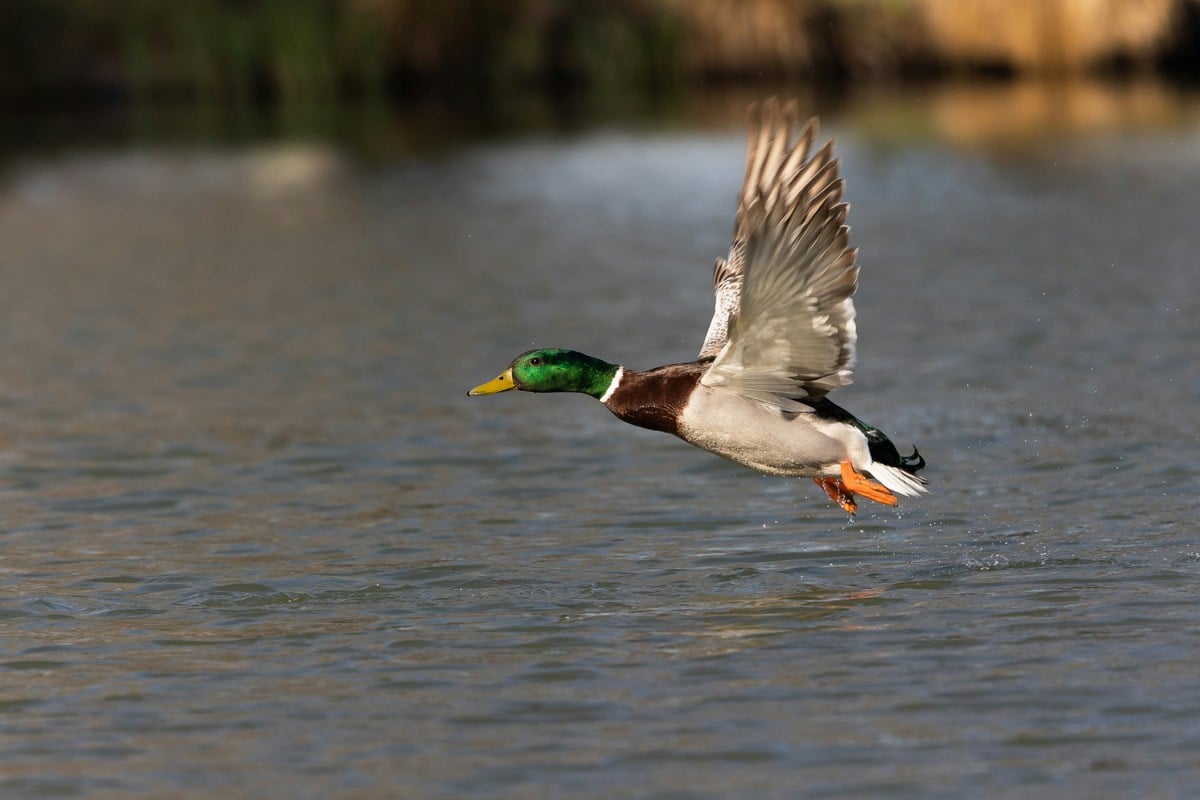
Waterfowl are among the most prominent wildlife species at McClintic. During migration, the area’s ponds and marshes attract large numbers of mallards, wood ducks, teal, gadwalls, ring-necked ducks, Canada geese, and other migratory species.
The wetlands also support populations of great blue herons, green herons, belted kingfishers, pied-billed grebes, and a variety of shorebirds. Bald eagles are increasingly observed in the area, particularly during the winter months, when open water and abundant fish provide favorable feeding conditions.
The mixture of wetlands and forests creates excellent habitat for songbirds, including warblers, vireos, thrushes, and flycatchers, during spring and fall migrations.
The management area’s bottomland hardwood forests are dominated by species adapted to periodic flooding, such as silver maple, sycamore, green ash, cottonwood, pin oak, and river birch. These forests provide mast crops, nesting sites, and protective cover for numerous mammals and birds.
White-tailed deer, wild turkey, raccoon, opossum, gray squirrel, fox squirrel, coyote, and red fox are commonly found throughout the property. The wetland complexes also support healthy populations of beaver and muskrat, whose activities help shape aquatic habitats and influence water levels and vegetation patterns.
Reptiles and amphibians, including painted turtles, snapping turtles, water snakes, leopard frogs, and American bullfrogs, thrive in the area’s ponds and marshes.
McClintic’s ecological significance is as important as its value as habitat. Its network of wetlands helps filter sediment and pollutants from surface water, improving water quality, moderating flooding, and providing breeding habitat for countless aquatic organisms.
The shallow impoundments in the management area, where the TNT area is located, support extensive emergent vegetation, including cattails, bulrushes, sedges, smartweed, and duckweed, which provide food and shelter for waterfowl and other wildlife. Fisheries within the area’s ponds and waterways include largemouth bass, bluegill, crappie, catfish, and other warm-water species.
Through active habitat management, including water-level manipulation, wetland restoration, and controlled hunting programs, wildlife managers maintain the diverse ecological communities that make McClintic Wildlife Management Area one of the most productive wetland ecosystems in West Virginia and a vital refuge for both resident and migratory wildlife.