
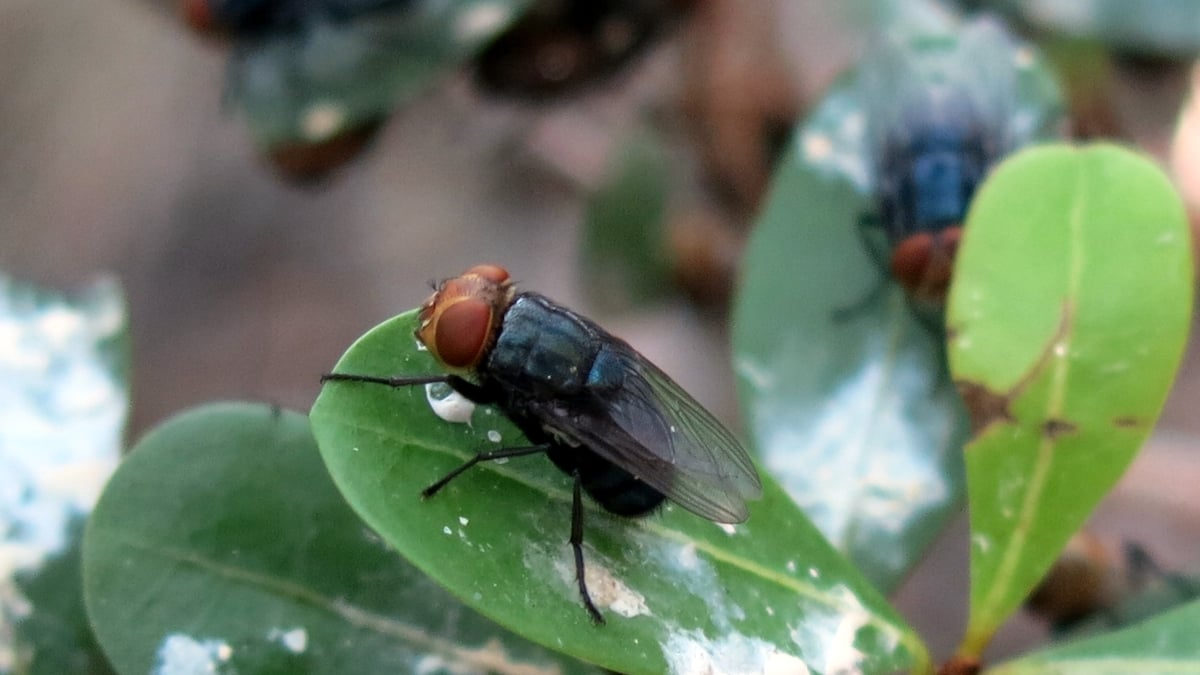
CHARLESTON, W.Va. — West Virginia agriculture officials say they are closely monitoring the recent detection of the destructive New World screwworm in Texas and have emergency response plans in place should the pest spread beyond the Southwest.
The W.Va. Department of Agriculture in Charleston issued a statement Thursday after the U.S. Department of Agriculture confirmed a New World screwworm infestation in a calf in southern Texas, marking the first confirmed detection of the parasite in the United States in decades.
While the discovery occurred more than 1,500 miles from West Virginia, state officials say the finding is significant enough to warrant heightened awareness among livestock producers, veterinarians, and pet owners across the Mountain State.
“The U.S. food supply remains safe,” WVDA Communications Director Beth Southern said in a statement released by the department. “New World Screwworm does not infest meat, fruits, vegetables, or other food products.”
Southern said the department is actively monitoring developments and remains in communication with federal animal health authorities.
“Following the confirmation of New World Screwworm in the United States, the W.Va. Department of Agriculture is actively monitoring the situation and has emergency response measures in place to protect animal health,” she said.
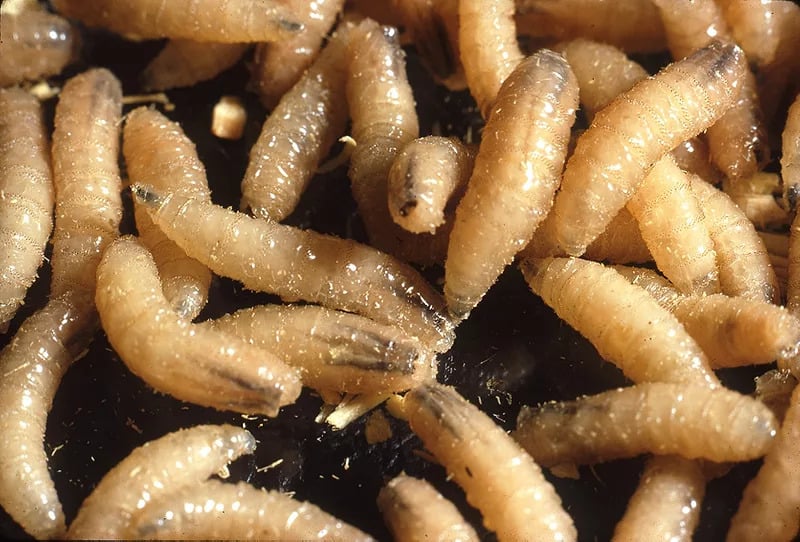
The New World screwworm (Cochliomyia hominivorax) is considered one of the most destructive livestock pests in the Western Hemisphere. Unlike ordinary maggots, which typically feed on dead tissue, New World screwworm larvae invade and consume the living flesh of warm-blooded animals.
The parasite can infest cattle, horses, sheep, goats, swine, wildlife, pets, and, in rare cases, humans.
Federal officials said the Texas case involved a three-week-old calf in Zavala County near the Mexican border. Larvae were discovered in the animal’s umbilical area and subsequently identified as New World screwworm. Authorities said no additional cases have been detected since the initial finding.
According to USDA officials, the pest has been steadily moving northward through Central America and Mexico in recent years despite extensive containment efforts.
Dudley Hoskins, USDA Under-Secretary for Marketing and Regulatory Programs, said, following confirmation, that the government had predicted an invasion and had taken proactive measures.
“All models showed New World Screwworm entering the country in 2025; however, thanks to the hard work across the entire Trump administration and our industry, state, and local partners, we were able to buy time for this moment,” he said.
Hoskins described protecting American livestock as a matter of national importance and said federal agencies are moving aggressively to eliminate the infestation before it can spread.
“The United States has defeated this pest before, and we will do it again,” he said.
A pest once eradicated from the U.S.
New World screwworm was once a major threat to American agriculture, costing ranchers millions of dollars annually through livestock losses, veterinary expenses, and production declines.
The insect’s larvae enter animals through open wounds, surgical sites, tick bites, branding marks, or the navels of newborn livestock. Once inside, the larvae burrow deeper into living tissue, causing painful and often severe injuries. Untreated infestations can result in secondary infections, debilitating illness, and death.
Through an extensive eradication campaign that relied heavily on releasing millions of sterile male flies, federal and state agencies successfully eliminated the pest from the United States by the 1960s.
Since then, surveillance programs and international partnerships have focused on preventing its return.
The newly confirmed Texas case poses a significant challenge to those efforts and has prompted an immediate response from USDA and Texas animal health officials.
Federal Screwworm response underway
The USDA announced that it has established a unified incident command structure with the Texas Animal Health Commission and has deployed personnel to the affected area.
Officials have also established a 20-kilometer infested zone surrounding the detection site and implemented quarantines, movement restrictions, and enhanced surveillance measures.
Among the most important components of the response is the release of sterile screwworm flies. Federal officials said approximately four million sterile flies are already being released weekly by air in the region, with additional ground-based releases now being accelerated.
The sterile insect technique has historically proven highly effective because female screwworm flies mate only once during their lives. When they mate with sterile males, no viable offspring are produced, causing populations to collapse over time.
USDA also plans to increase trapping efforts near the border, expand wildlife monitoring programs, and conduct outreach campaigns to livestock owners in affected regions.
Additionally, the agency’s National Veterinary Stockpile has been placed on standby to provide treatments, equipment, and logistical support if the outbreak expands.
What West Virginia farmers should watch for
Although no cases have been reported in West Virginia, agriculture officials are encouraging producers to remain vigilant. Southern said livestock and pet owners should routinely inspect their animals and report any unusual findings.
“As with any animal health concern, WVDA encourages pet owners and livestock producers to routinely monitor their animals for unusual wounds or signs of concern and report suspicious cases to the WVDA Animal Health Division,” Southern said.
Agriculture experts recommend examining animals for wounds that appear to enlarge rather than heal, excessive drainage, foul odors, unusual irritation, or visible larvae.
Particular attention should be paid to newborn animals, whose umbilical areas can serve as entry points for infestation. Federal officials also recommend inspecting body openings, such as the ears, nostrils, and genital areas, where screwworm eggs may occasionally be deposited.
Food supply not threatened
One of the primary concerns when livestock diseases or parasites are detected is whether food products remain safe for consumers.
Federal and state officials emphasize that New World screwworm does not pose a threat to meat sold in grocery stores and does not infest fruits, vegetables, or other food products.
The USDA’s Food Safety and Inspection Service maintains inspection procedures designed to identify any affected animals before they enter commercial processing channels.
Any evidence of infestation would result in the animal being removed from the food supply. Southern reiterated that consumers should not be concerned about food safety following the detection in Texas.
“The U.S. food supply remains safe,” she said.
Continuing Screwworm surveillance
West Virginia agriculture officials say they will continue to coordinate with federal agencies and monitor developments as response efforts unfold in Texas.
“We will continue working with state and federal partners and provide updates as needed,” Southern said.

The W.Va. Department of Agriculture oversees a wide range of programs involving animal health, plant protection, food safety, and consumer protection. Officials say the state’s animal health infrastructure remains prepared to respond should the pest be detected closer to home.
For now, authorities stress that awareness and early detection remain the best defenses against the potential spread of one of agriculture’s most feared parasites.
About the W.Va. Dept. of Agriculture
The W.Va. Department of Agriculture is the state agency responsible for protecting plant, animal, and human health while supporting the state’s agricultural economy. Headed by the elected Commissioner of Agriculture, the department oversees animal health programs, food safety inspections, plant industry regulations, consumer protection initiatives, and agricultural development efforts.
The agency works closely with farmers, livestock producers, veterinarians, and federal partners to prevent the spread of animal diseases and agricultural pests that could threaten West Virginia’s farms and food supply.
As I understand it the Screwworm was eradicated from the U.S. in the 1960s. But the trump administration and DOGE eliminated key funding for U.S. Agency of International Development that monitored and trapped New World screwworm in Central America. These cuts, plus staff reduction are largely responsible for allowing this to happen. The article above praises the trump administration for their hard work on this infestation. They caused it! Wake up!
Ditto on reply number one I totally agree that this current Federal Administration is going to be blamed for numerous problems that were created with all their unnecessary and ridiculous cuts to our Federal Agencies that were put in place to serve and protect the United States of America !!!