Botany and Forestry

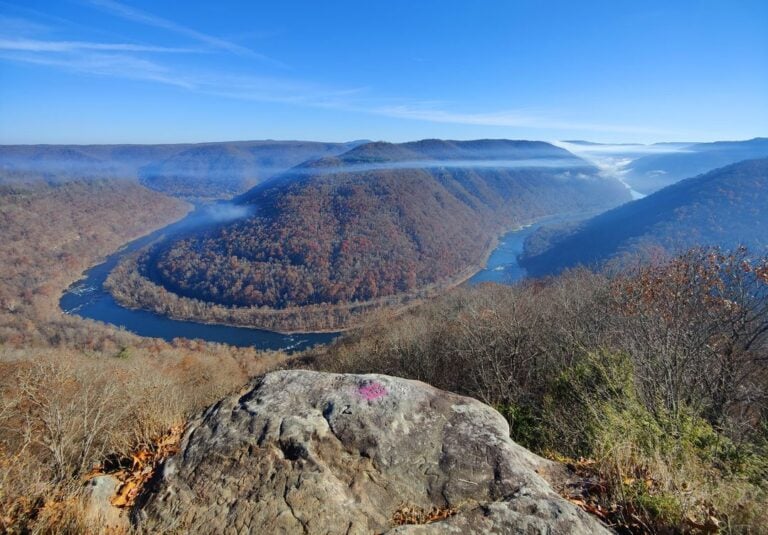
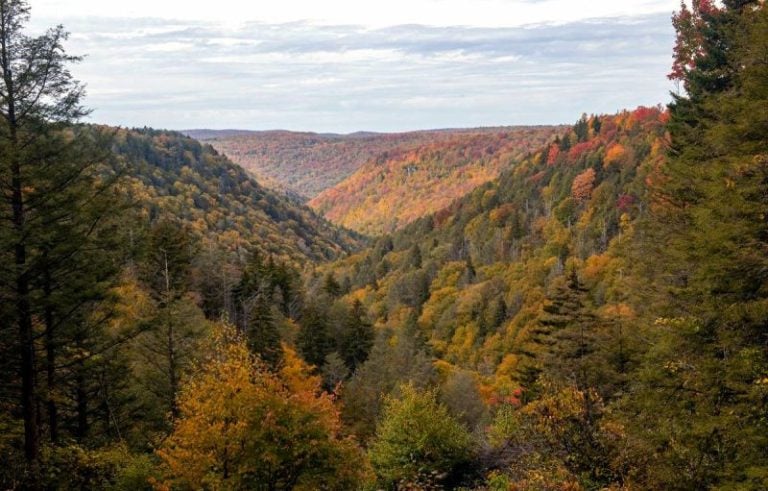
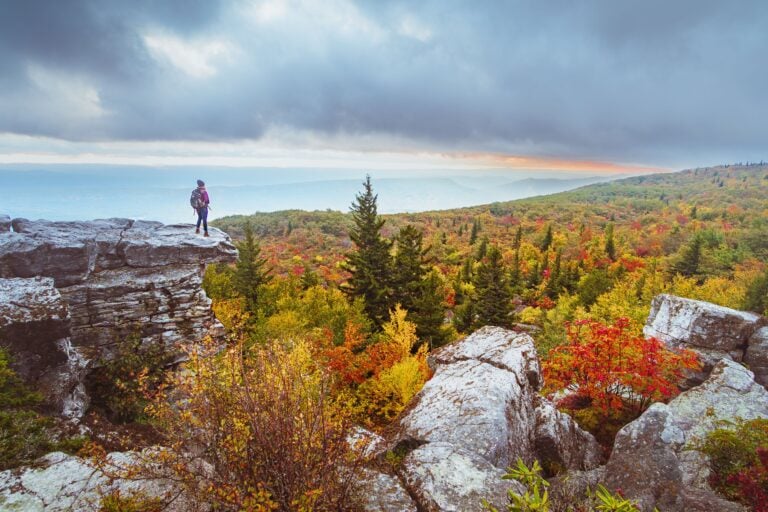
Botany and forestry in West Virginia are vital to the state’s natural heritage, economy, and outdoor recreation. With lush forests covering nearly 80% of its landscape, West Virginia is home to diverse plant species, old-growth woodlands, and thriving hardwood industries. The study of botany helps preserve native flora and supports conservation efforts, while sustainable forestry practices ensure healthy forests for wildlife, timber production, and scenic beauty. Visitors and researchers alike explore West Virginia’s state forests, botanical gardens, and nature trails to experience the state’s remarkable biodiversity and learn about responsible forest management that keeps West Virginia green and vibrant for generations to come.

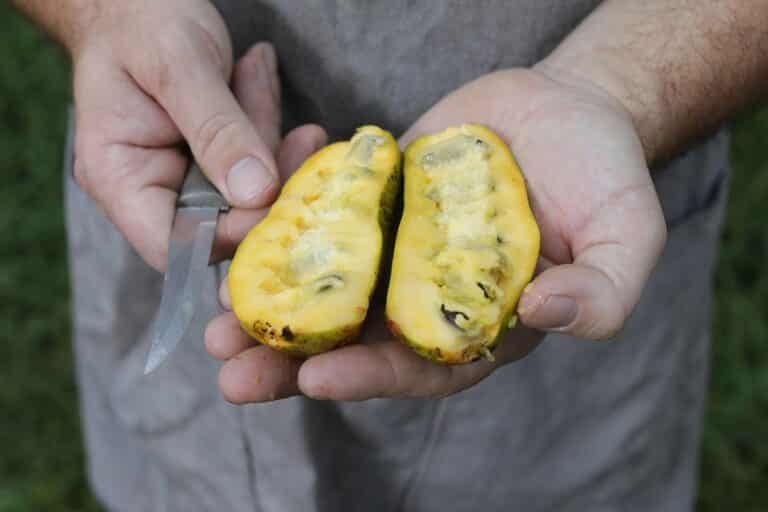
Pawpaws are among the shade-loving plants that thrive beneath Appalachian hardwood canopies. (WVU Photo/ Raymond Thompson)

Appalachian medicinal plants and edibles can support rural economies, says WVU professor

MORGANTOWN, W.Va. — If carefully managed, Appalachian medicinal plants and edibles can help support rural economies and preserve centuries of traditional knowledge, says a West Virginia University professor. Kirsten Stephan, program coordinator of forestry at the university, says nature has conspired to create remarkably diverse forests in Appalachia, and their management can benefit generations globally … Read more

West Virginia Explorer editor David Sibray examines a bloodroot flower in the New River Gorge in West Virginia.

Five spring wildflowers you’ll likely encounter in West Virginia

LEWISBURG, W.Va. — The West Virginia woodlands burst into color in spring. During that brief period, wildflowers put on a colorful show, attracting bees and butterflies before the trees leaf out and the sunlight dims. Native plant specialist Barry Glick has identified the five early-blooming wildflowers common along woodland trails. While their presence is fleeting, … Read more