
BECKLEY, W.Va. — Parents who want their children to put down their phones and spend more time outdoors may need to start by examining their own habits, according to a West Virginia outdoor educator who has spent years introducing children and families to nature.

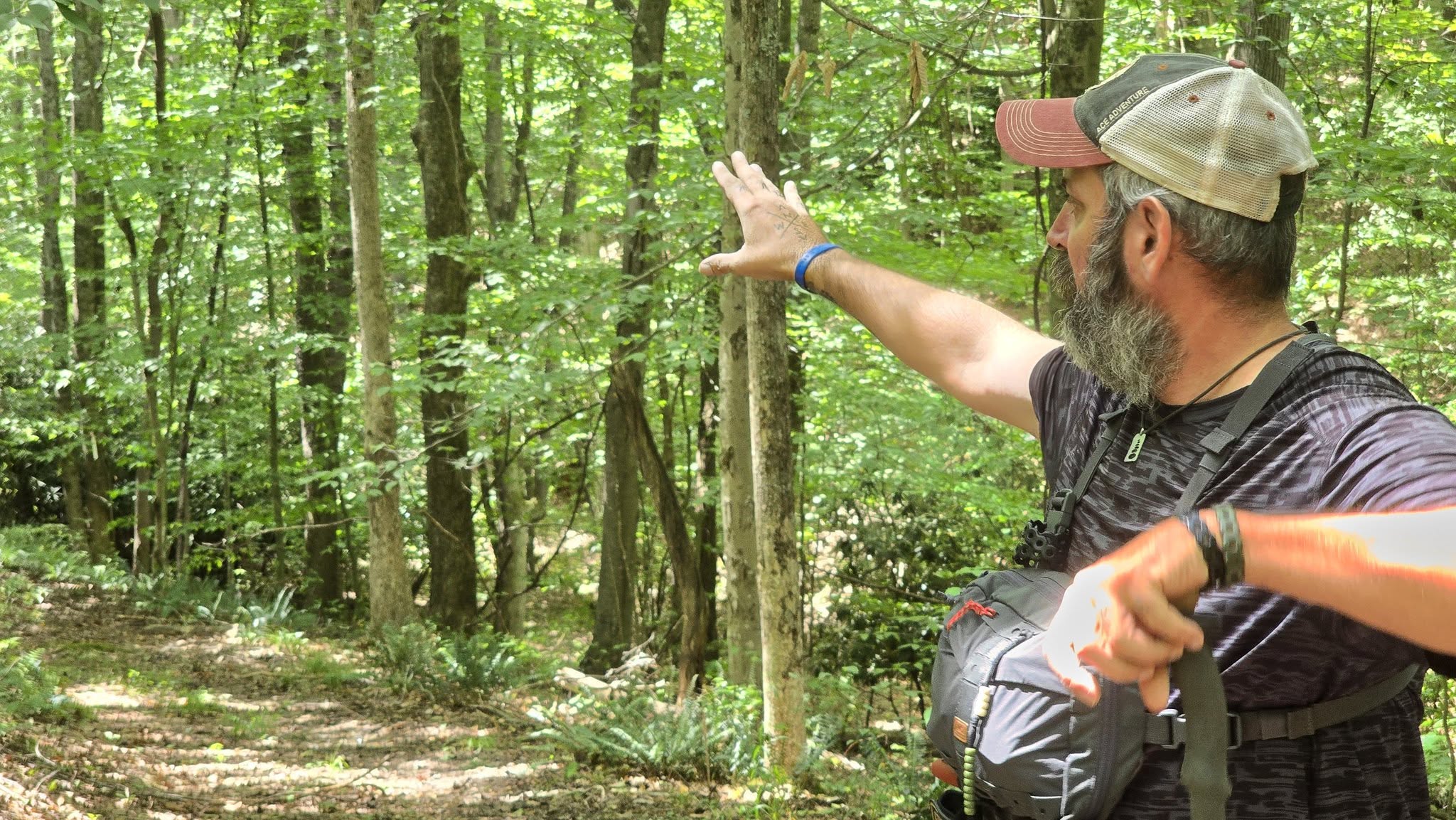
“If you want your child to be interested in the outdoors, you have to be interested in the outdoors yourself,” said Levi Moore, an outdoor adventure guide and youth outdoor adventure coordinator in southern West Virginia. “If you want your child to be active, you have to be active as well.”
Moore said that doesn’t mean children have to enjoy the same outdoor activities as their parents. A parent may love mountain biking while a child prefers hiking, rock climbing, or trail running. What matters, he said, is providing the example and opportunities that can eventually move a child from “I don’t want to” to “I want to go.”
Let children discover the outdoors at their own pace
Moore’s advice comes from years spent watching children encounter forests, trails, and outdoor recreation, sometimes for the first time.
Children unfamiliar with the outdoors may initially see it as uncomfortable or even frightening, he said. They worry about getting hot or sweaty, bugs, snakes, and wild animals. But those attitudes can change when children are introduced to nature safely and without making the experience feel like an obligation.
The outdoors can shift from something to endure to “a destination and potential playground,” Moore said.
He remembers leading a hike for a family with two young girls who wanted nothing to do with the excursion. Rain was in the forecast, and the girls didn’t want to hike or get wet, but their parents wanted them to experience being outside on a trail.
“As adults, when was the last time that we went outside and played in the rain?” he recalled asking.

The family bought ponchos and went. At the start of the hike, he said, the girls were so opposed to the experience that they were nearly crying. By the end, they were jumping in puddles and using his walking cane to knock against trees so water would fall from the branches onto them.
For Moore, the experience demonstrated what can happen when a child’s first reaction isn’t treated as the final word.
Phones aren’t the only barrier
Moore agrees that phones, games, and other electronic devices make it easier for children to stay indoors, but he cautions against blaming screens for everything. Outdoor recreation can also be expensive.
Buying a mountain bike for a child who has never tried mountain biking can be a substantial investment. The same can be true of climbing equipment or a family whitewater rafting trip.
That financial barrier can be particularly striking in southern West Virginia, where residents live beside an outdoor recreation landscape that attracts visitors from across the country. Some children growing up in the region have never tried whitewater rafting, rock climbing, or mountain biking. He has even encountered young people who never learned to ride a bicycle.
Low-cost, low-pressure introductions can give children an opportunity to discover what interests them before families invest heavily in an activity.
Moore saw that process during a stand-up paddleboarding event. One participant had never been on a paddleboard and appeared embarrassed about learning in front of the other children. He moved into a cove, where he remained visible and supervised but could practice without worrying about falling in front of everyone else.
By the end of the outing, he was standing and paddling around the lake with the others.
Sometimes the best plan is no plan
Asked where he would take a child for an afternoon to help that child fall in love with the outdoors, Moore declined to name a specific attraction.
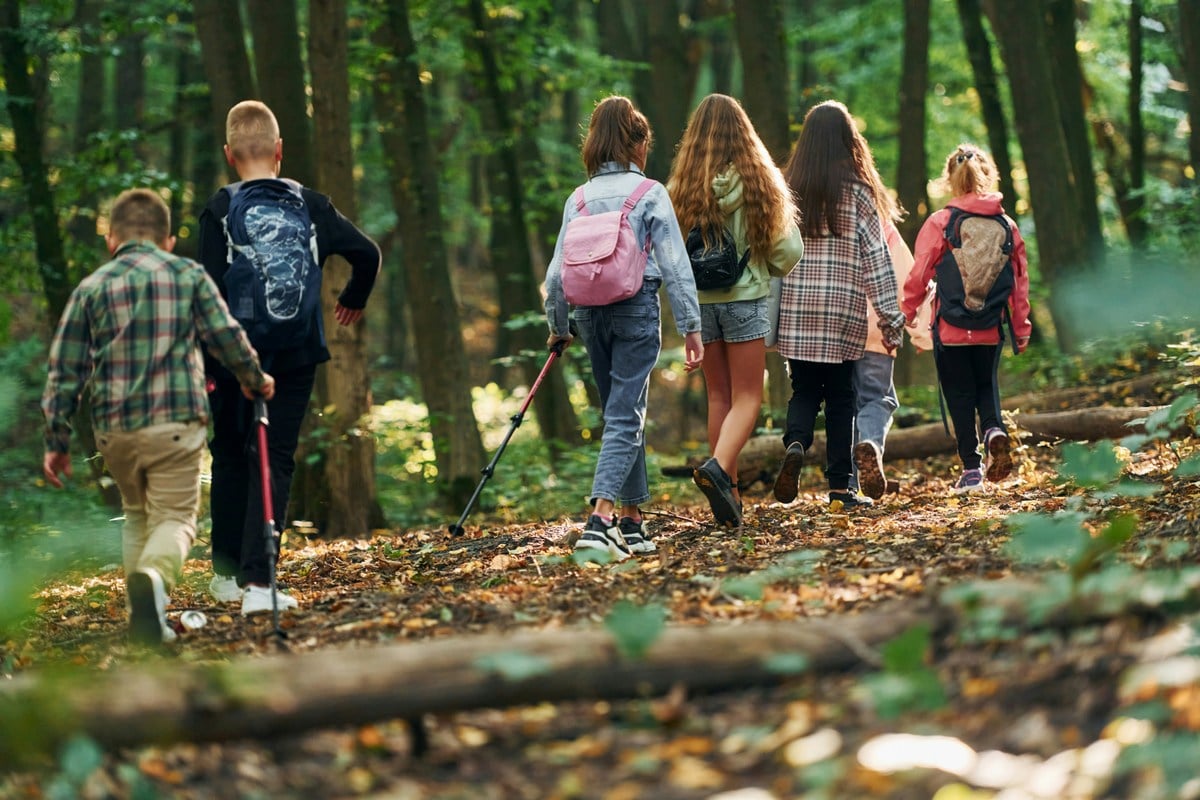
“I would take them out into the forest,” he said. “I would take them out on some developed trails, and I would just let them walk.”
The important part, he said, is letting children walk “at their own pace, not mine.”
Rather than directing every moment, Moore said he would stay with them while allowing them to discover what there is to see, hear, and smell. A hike, he said, “isn’t just visual. Or at least it shouldn’t be.”
Children notice what adults miss
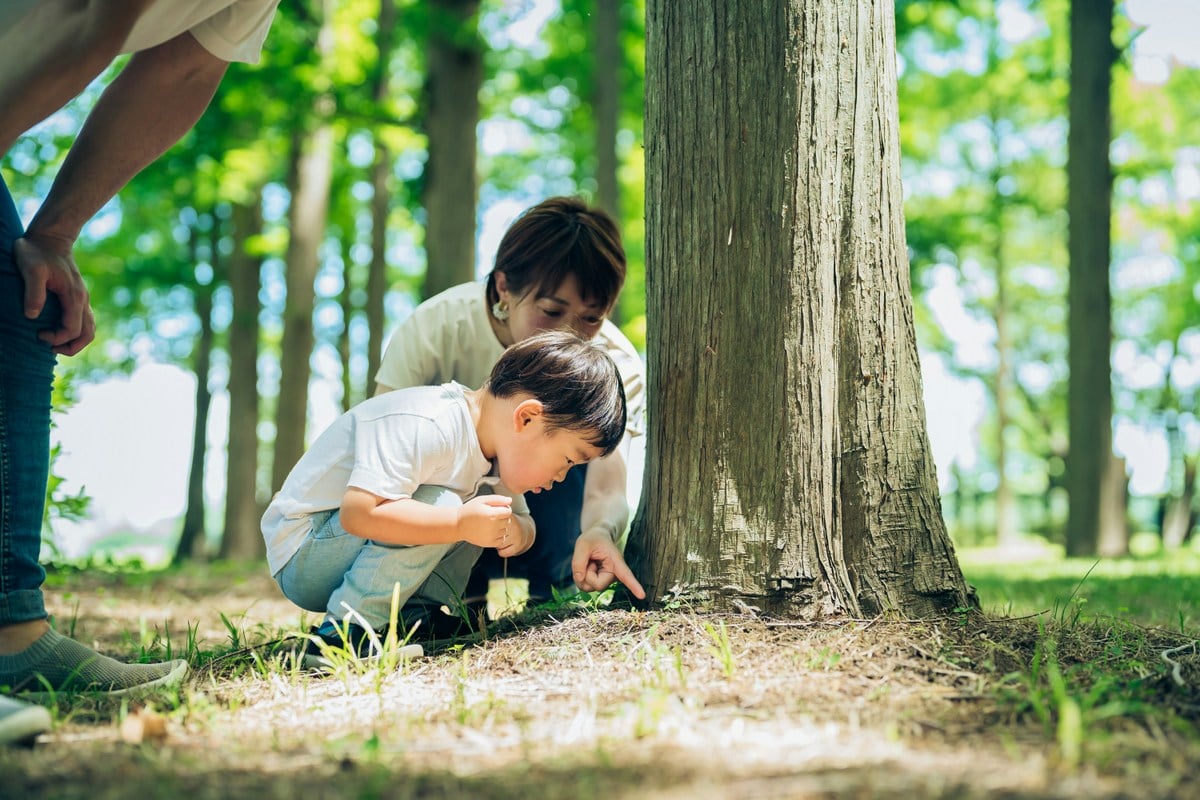
Walking at a child’s pace can also change the adult’s experience. Asked what children notice outdoors that adults have stopped noticing, Moore answered immediately: “Small things, small things.” Bugs. Feathers. Acorn caps.
Adults often absorb a landscape as a whole, Moore said. They notice the lake, mountain, or scenic overlook. Children are more likely to stop for something lying beside the trail.
“I’m reminded when I take children out that there’s more than just a big picture, and it’s the small things,” he said. “And that’s what they show me when I take them out. I don’t show them. They show me the small things.”
A strange insect doesn’t have to become a biology lesson. Moore said that sometimes neither he nor the child knows what it is. The discovery itself can be enough.
Losing the outdoors changed what it meant to him
Moore’s relationship with nature changed when getting outside became difficult.
He grew up on a mountain in Raleigh County and remembers spending much of his childhood in the woods when he wasn’t at school or doing chores. He camped, explored with friends, and stayed outside until dark. As he grew older, however, he said he took that access for granted and became less active outdoors.
Then he lost the ability to walk and stand, relying on a wheelchair for nearly two and a half years. Suddenly, he said, simply getting through his front door and onto a porch or patio took on new meaning.
As his mobility began to return, he corrected himself as he described the experience.
“I didn’t get it back,” he said. “I worked to regain it.”
The outdoors became part of that work. “It was the trails that helped rehabilitate me.”
While he couldn’t walk, Moore said he spent hours online looking at places in the New River Gorge region he hoped to explore when he could walk again. Once he was able, he began hiking, camping, and pushing himself physically.
The experience contributed to his later work helping others experience the outdoors, including years as an outdoor adventure guide and work with Active Southern West Virginia.
Moore said his daughter also saw her parents hiking, walking, and being active while he was learning to walk again. Today, when she returns home to West Virginia from military service in the West, she heads for the outdoors, hiking and looking for rocks along the New River.
“That’s her reset,” Moore said.
What children may remember 20 years later?
Asked what he hopes a child will remember 20 years after an outdoor experience, Moore said it probably won’t be every tree, insect, or view. They may even forget who took them hiking.
What can remain is the memory of what it felt like to be outside. For one child, a first experience might include fear. For another who has spent years outdoors, it might be comfort. Moore said the important memory isn’t necessarily what the child saw or exactly where the child went. It is how the child felt while there.
His advice to parents is consequently simple: They don’t necessarily need the perfect trail, expensive equipment, or an extraordinary adventure. They can begin by going outside with their children, giving them time to explore and paying attention to what captures their interest.
Most importantly, Moore said, parents who want children to develop a relationship with the outdoors should demonstrate that relationship themselves and lead them there.