
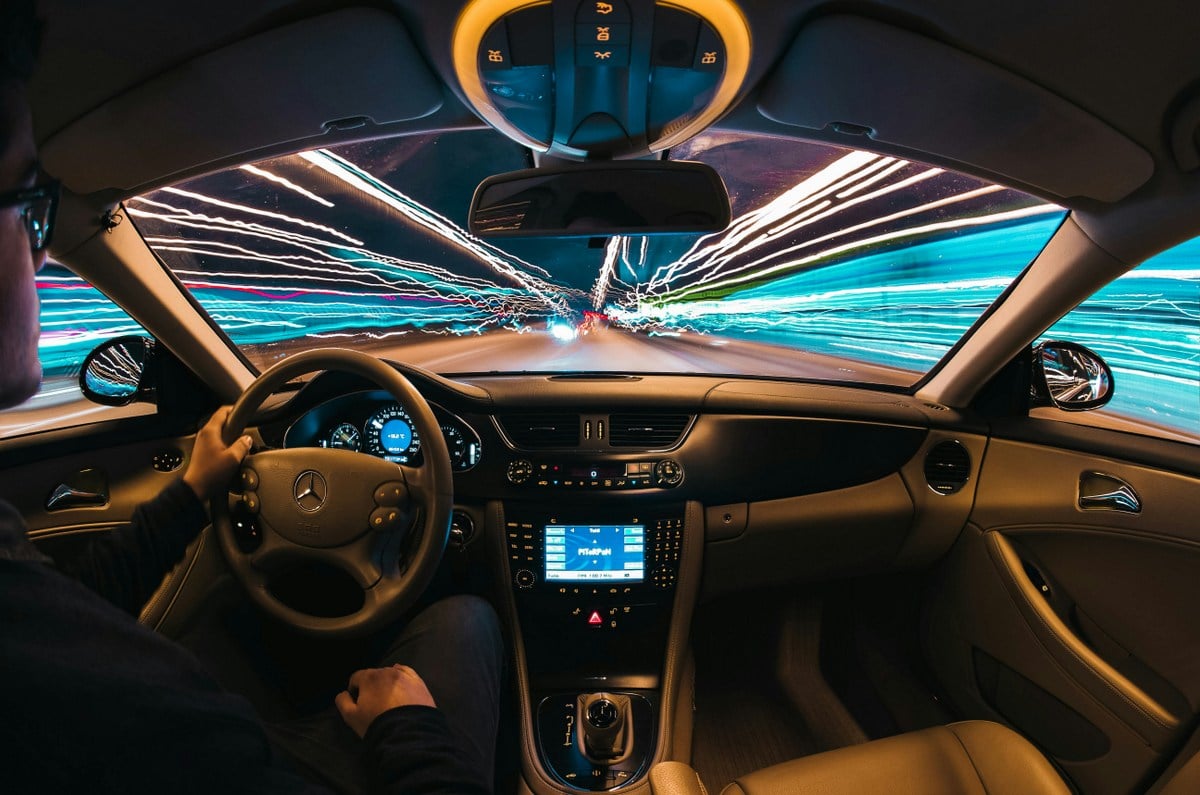
MORGANTOWN, W.Va. — For many Americans, summer means road trips, family vacations, and weekends on the highway.
For others, simply getting behind the wheel can trigger a racing heart, sweaty palms, and an overwhelming sense of panic.
Researchers at West Virginia University say driving anxiety is far more common than many people realize. It affects drivers of every age and can range from mild uneasiness to a fear so intense that some people stop driving altogether.

“Driving anxiety is fairly common,” said Jacob Greenfield, an assistant professor in WVU’s Department of Occupational Therapy in Morgantown. “Some individuals have specific phobias surrounding driving. Others are anxious in general, and driving amplifies their underlying anxiety.”
Why certain roads trigger fear
Driving anxiety doesn’t affect everyone the same way. For some, the fear comes from losing a sense of control.
Others are overwhelmed by particular situations, including:
- Dark
- Highways
- Long bridges
- Tunnels
- Heavy traffic
- Winding roads
- Bad weather
- Construction zones
- Unfamiliar routes
“Some people get very anxious because they feel like they can’t control other drivers or what’s going on around them,” Greenfield said. “There are also environmental triggers such as highways, bridges, tunnels and windy roads.”
He said many anxious drivers become highly dependent on familiar routines.
“Some people like to feel in control of their driving environment and have very ritualistic behaviors,” he explained. “When their typical route is impacted by an accident or roadwork, and they are forced to take a different route, the unfamiliarity of the route can be an anxiety trigger.”
The three ways people cope
In their recent study, WVU researchers found that most anxious drivers rely on one or more of three common coping strategies.
- Some try to distract themselves by singing, chewing gum or praying.
- Others depend on another person to drive or ride with them.
- Still others simply avoid situations that make them uncomfortable.
“We found that people typically do three things to manage their driving anxiety,” said Toni Rudisill, an associate professor in WVU’s School of Public Health. “First, they will distract themselves from their anxiety any way that they can.”

She said others rely on trusted companions or gradually begin limiting where and when they drive.
“If people get overwhelmed by traffic, they might only drive at certain times of the day,” Rudisill said. “Or in the worst case, the individuals will not drive at all, which limits their ability to engage or interact with others.”
When coping starts making things worse
While those strategies may provide short-term relief, researchers say they can unintentionally reinforce anxiety over time.
“These coping strategies can become problematic from both traffic safety and mental health standpoints,” Rudisill said.

Drivers who constantly distract themselves may become less attentive behind the wheel, while people who avoid driving altogether can lose confidence and become increasingly isolated.
Avoidance may begin with skipping rush hour or steering clear of highways, but over time it can make everyday activities—from going to work to visiting family—much more difficult.
You’re far from alone
Many people believe they’re the only ones who struggle with driving anxiety. The research suggests the opposite.
Experts say driving anxiety is one of the more common specific phobias and often overlaps with generalized anxiety or panic disorders. Sometimes it develops after a crash. In other cases, there is no single triggering event.
Even experienced drivers can suddenly find themselves becoming anxious after years of driving without difficulty.
Taking back the driver’s seat
Mental health professionals generally recommend gradually rebuilding confidence instead of giving up driving altogether.
That may include practicing on familiar roads, driving during quieter hours, planning routes ahead of time, and slowly expanding one’s comfort zone.
For people whose anxiety has progressed to panic attacks or severe avoidance, treatment from a licensed mental health professional can often help.
Driving represents freedom for millions of Americans—the ability to work, travel, visit loved ones and enjoy everyday life.
If fear has gradually taken that freedom away, WVU researchers say you’re not alone, and with the right support, many people are able to regain confidence and return to the road.