

MORGANTOWN, W.Va. — As influenza season approaches, West Virginia University is spotlighting one of its most recognizable figures in a campaign to encourage residents to protect themselves against the flu.

Mountaineer mascot Reese Allen is scheduled to receive his annual flu shot on Wednesday, Oct. 14, at the WVU Health Sciences Center in Morgantown. A student pharmacist from the WVU School of Pharmacy will administer the vaccine as part of an immunization awareness initiative.
The event comes at a critical time for flu prevention, according to university officials at the university. Federal health officials recommend that most Americans receive their annual influenza vaccination by the end of October, allowing time for immunity to develop before winter, when flu activity typically increases.
According to the Centers for Disease Control and Prevention, everyone six months and older should receive a seasonal flu vaccine, with rare exceptions. Protection generally develops about two weeks after vaccination.
Why October matters for flu prevention
Influenza circulates every year, but the timing and severity of individual flu seasons can vary considerably.
In the United States, flu activity most often peaks between December and February, though infections can occur earlier or later.
Medical experts are encouraging Americans to get vaccinated this October, particularly as some western states have reported unusually early increases in influenza activity. National activity remained relatively low in early October, but these early outbreaks have reinforced the importance of vaccination before widespread transmission begins.
Vaccination does not guarantee that a person will avoid influenza. However, studies show it can reduce the likelihood of infection, lessen illness severity, and lower the risk of hospitalization.
Because influenza viruses continually change, health authorities review vaccine formulations annually to provide protection against strains expected to circulate during the coming season.
The 2026-27 vaccines are designed to protect against three influenza viruses, including two influenza A strains and one influenza B strain.
Who faces the greatest risk?
Although otherwise healthy adults can develop serious complications from influenza, certain groups are especially vulnerable.
According to the CDC, those at increased risk include adults 65 and older, children younger than five, pregnant women, and people with chronic conditions such as diabetes, asthma, heart disease, and lung disease.
For these residents, influenza can lead to pneumonia, hospitalization, and potentially life-threatening complications.
The CDC recommends that adults 65 and older receive an influenza vaccine designed to produce a stronger immune response when available and appropriate.
Some children between six months and eight years of age also need two doses during a flu season, depending on their vaccination history. Parents should consult their children’s health care providers to determine the appropriate schedule.
How to prevent flu beyond vaccination
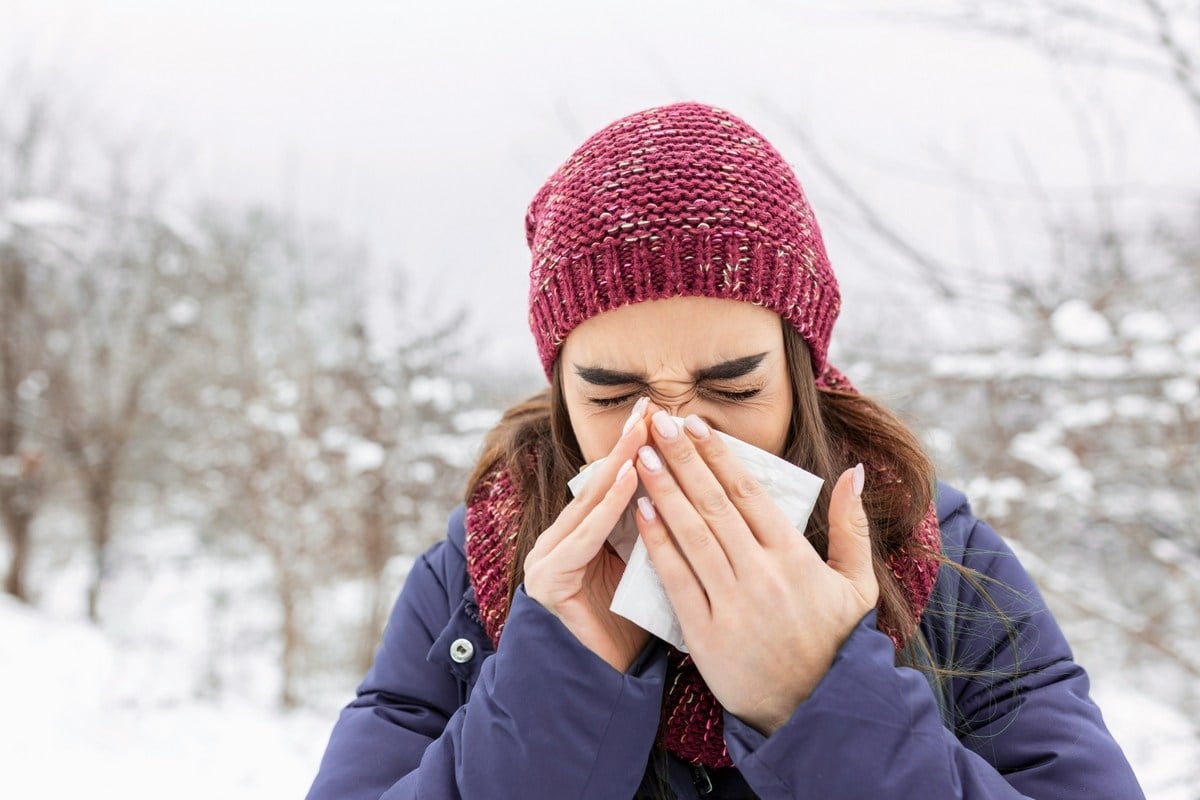
Vaccination remains the primary preventive measure recommended by public health officials, but several additional precautions can help reduce transmission.
The CDC recommends frequent handwashing, avoiding close contact with sick individuals, and covering coughs and sneezes.
Improving indoor air quality can also reduce exposure to respiratory viruses. Opening windows when practical, using appropriate air filtration, and spending time outdoors can help lower concentrations of infectious particles.
People who develop respiratory symptoms should stay home and away from others until their symptoms are improving and they have been fever-free for at least 24 hours without fever-reducing medication. Additional precautions are recommended for the next five days.
People at increased risk of complications should seek prompt medical attention. Prescription antiviral medications can shorten illness and reduce complications, especially when treatment begins within two days of symptom onset.
Health officials advise high-risk patients to contact a medical provider promptly if they develop influenza symptoms rather than waiting to see whether their condition worsens.
WVU pharmacy students promote immunization
The Mountaineer’s vaccination is being organized through Operation Immunization, an initiative involving the WVU School of Pharmacy chapter of the American Pharmacists Association–Academy of Student Pharmacists.
The program offers student pharmacists the opportunity to promote vaccination and public awareness while participating in preventive health initiatives.
Allen’s vaccination is scheduled for Wednesday, Oct. 14, at 2 p.m. at the Cook-Hayman Pharmacy Museum on the first floor of WVU Health Sciences Center North at 64 Medical Center Drive.
Following the vaccination, Dr. Gretchen Garofoli, a clinical professor at the university’s School of Pharmacy, is scheduled to answer questions about influenza, vaccination, and prevention.
The appearance is intended to encourage West Virginians to consider their vaccination status before flu activity increases.
Residents can generally obtain influenza vaccinations through physicians’ offices, community pharmacies, local health departments, and other health care providers. Vaccine availability and eligibility can vary by location.