
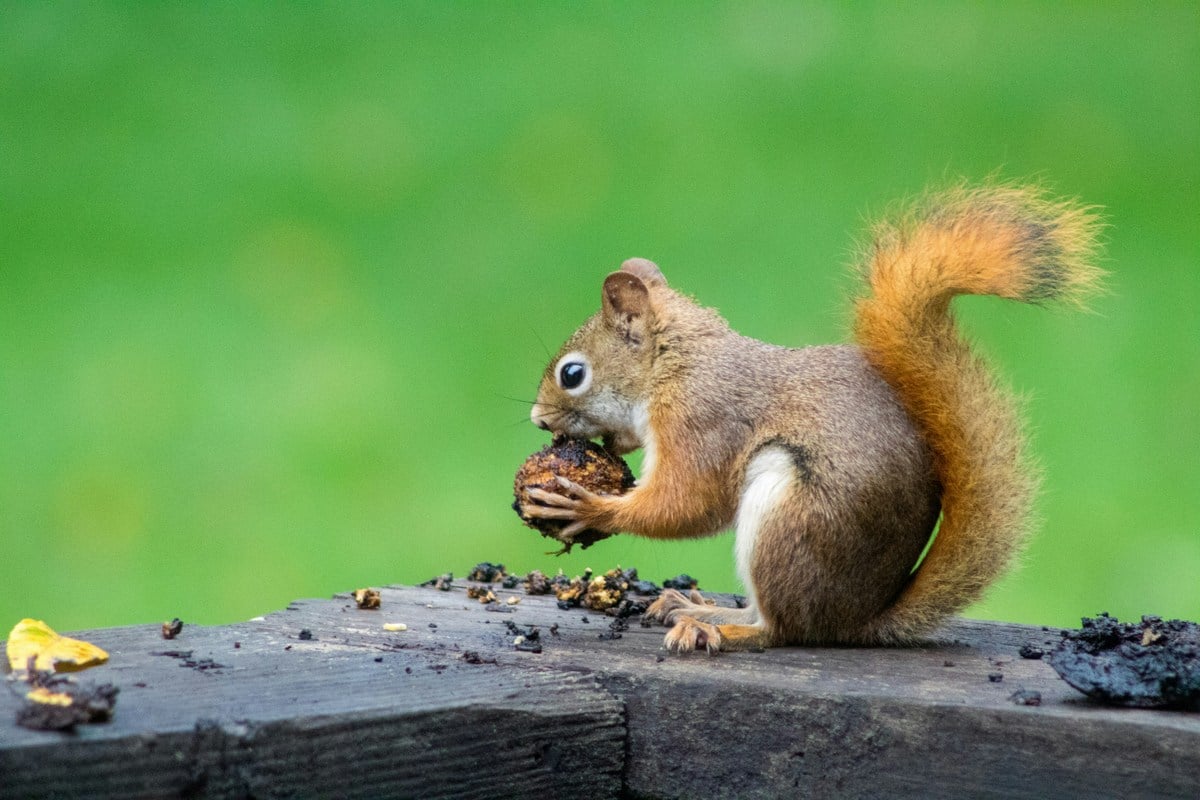
CHARLESTON, W.Va. — A below-average crop of acorns and other wild foods could keep West Virginia deer moving this fall, increasing the chances that hunters will encounter them, according to the state’s annual wildlife food survey.
Biologists with the W.Va. Division of Natural Resources say its 2026 mast index is 14 percent below the statewide long-term average and 16 percent below 2025, when abundant forest food was blamed in part for a sharp decline in the number of deer hunters took.

Mast is the fruit, nuts, and seeds produced by forest trees and shrubs that feed deer, bears, squirrels, turkeys, and other wildlife. When acorns and other foods are plentiful, animals may remain close to dependable food sources. When those foods are scarce, they may travel farther to find them.
“Overall hard mast production, especially red oak and black oak, is down this year and is expected to be less abundant across the state,” said Avery Echevarria, mast survey project leader for the division’s wildlife resources section. “Soft mast production was mixed. It was above the 2025 production level but slightly below the long-term average.”
That difference could affect hunters already entering the woods during West Virginia’s fall seasons.
Last year’s acorns helped hide the deer
West Virginia hunters harvested 92,553 white-tailed deer during the 2025–26 seasons, a 17 percent decline from the previous year’s harvest of 111,646, the division said. The total was also 14 percent below the previous five-year average of 107,434.
The agency attributed the decline partly to an abundance of hard mast. With food widely available in the woods, deer were dispersed across the landscape, making them difficult for hunters to locate and target. An outbreak of epizootic hemorrhagic disease in several western counties also affected the harvest.
Conditions in the woods are different this year. With hard mast production down, division biologists expect deer to move in search of food and forecast a higher white-tailed deer harvest in 2026. The forecast reflects expected changes in deer behavior and hunter opportunity, not necessarily an increase in the state’s deer population.
West Virginia’s statewide deer archery and crossbow season opened Sept. 26 and continues through Dec. 31.
Acorns can change where wildlife moves
The division conducts its mast survey annually with the W.Va. Division of Forestry, gathering observations from locations across the state to measure the relative abundance of foods important to wildlife.
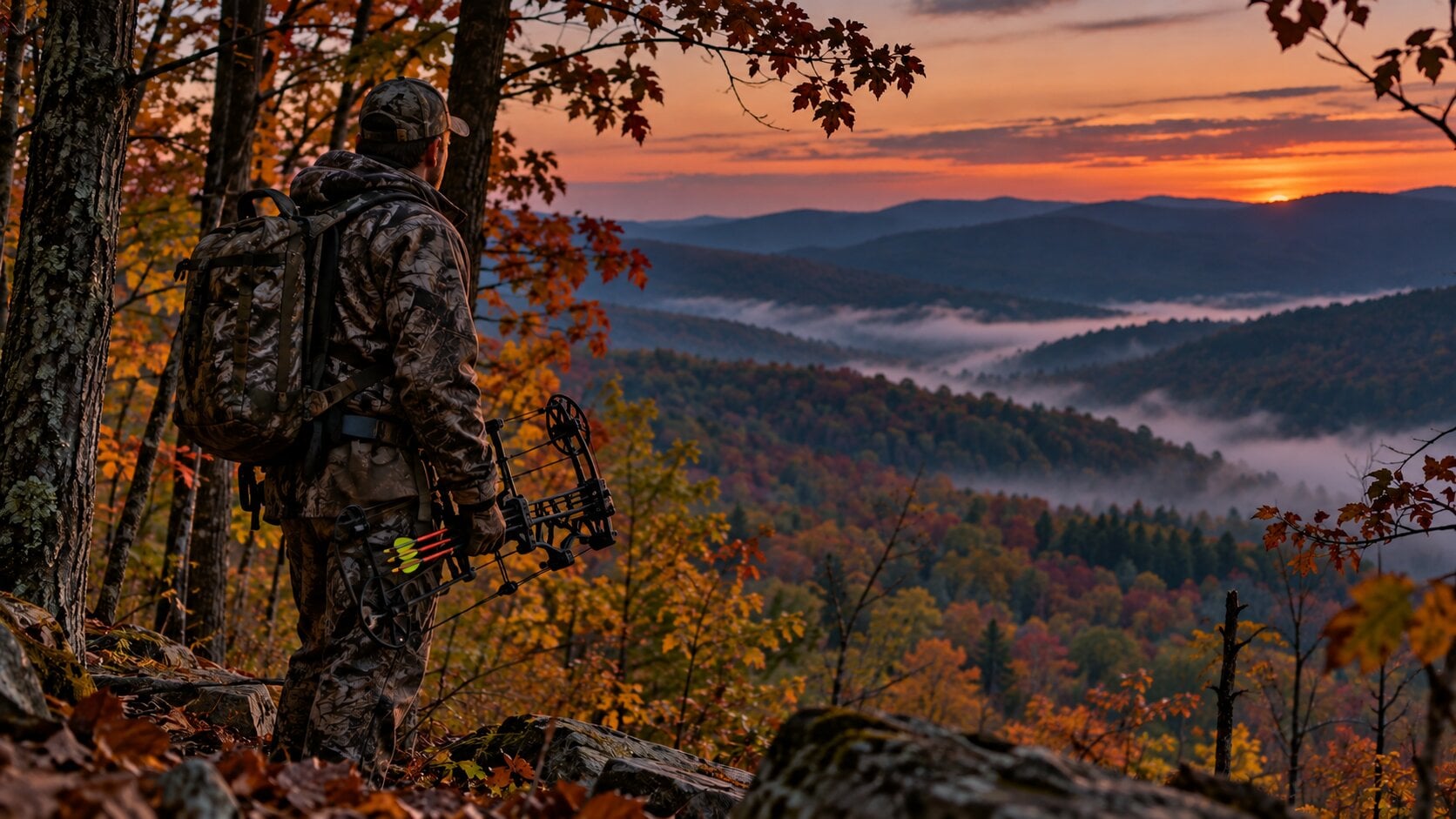
The survey examines wild fruits and nuts produced by 18 species of trees and shrubs. Hard mast includes nuts such as acorns, while soft mast includes fleshy fruits and berries.
The distinction matters because changes in the availability and distribution of those foods can influence where wildlife feeds and how far animals travel.
Soft mast production this year was above its 2025 level but remained slightly below the long-term average, according to the division. The agency said that additional food could temper some of the increased wildlife movement expected because of the reduced hard mast crop.
The effect also varies by species. State biologists predict a higher raccoon harvest this year. Black bear harvests are expected to be higher during archery season but slightly lower during firearms season. Wild turkey and ruffed grouse harvests are forecast to remain similar to 2025, while wild boar harvest is expected to decline. Gray and fox squirrel harvests are expected to increase.
Brett McMillion, director of the divisions, stresses the value of the report as hunting seasons approach
“Every hunting season in West Virginia comes with unique opportunities and challenges, so I encourage folks to use this report to their advantage, plan accordingly, and enjoy a great hunting season this fall,” McMillion said.
The agency’s annual Hunting Outlook and Mast Survey is intended to help hunters use statewide and regional food conditions as they scout hunting areas and plan their seasons.
Hunters should still expect conditions to vary from one ridge, hollow, or watershed to another. A statewide decline in hard mast does not mean that every oak stand produced poorly, and local food sources can influence where animals concentrate.