
THURMOND, W.Va. — The National Park Service plans to begin demolishing historic buildings in New River Gorge National Park and Preserve later this month, despite opposition from Fayette County officials and preservation advocates who say some of the structures could be saved.

The demolitions are part of a $36 million federal improvement program that will also restore historic buildings, upgrade water and wastewater systems, and prepare some properties for possible leasing. Work is scheduled in Thurmond, Prince, and Brookside, with temporary public closures beginning November 30.
The announcement follows an October 28 resolution by the Fayette County Commission opposing the demolition of historic structures and urging the Park Service to consider preservation alternatives. The Town of Thurmond has also retained legal counsel to challenge the plans.
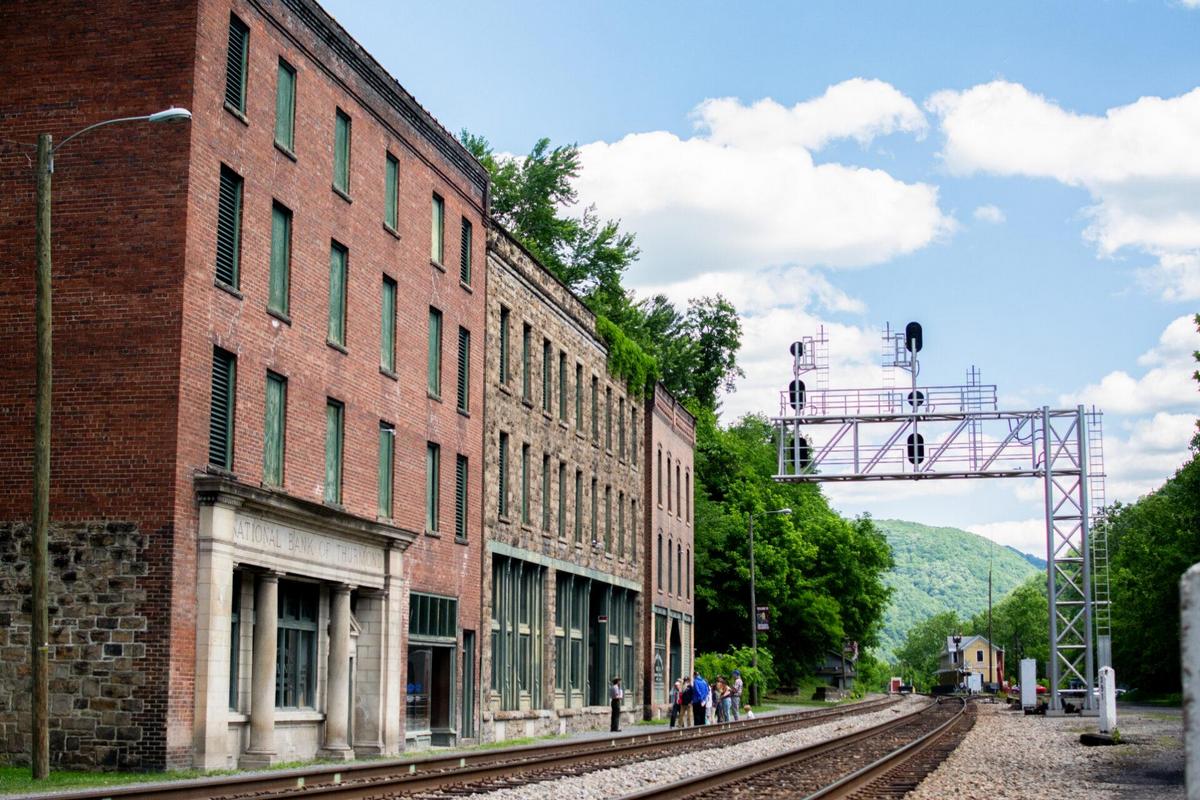
The dispute concerns the future of Thurmond, a former Chesapeake and Ohio Railway boomtown whose surviving houses, commercial buildings and railroad facilities form one of the most intact historic industrial communities in the New River Gorge.
Demolitions and restoration scheduled
According to the Park Service, building removal will begin in late November, with temporary closures expected to continue into spring 2027.
In Thurmond, crews will establish barricaded safety zones extending 150 feet around individual work sites. In Prince, closures will affect federal property near the Prince Brothers General Store. Restrictions will remain in effect in the evenings, on weekends, and on holidays, even when crews are absent.
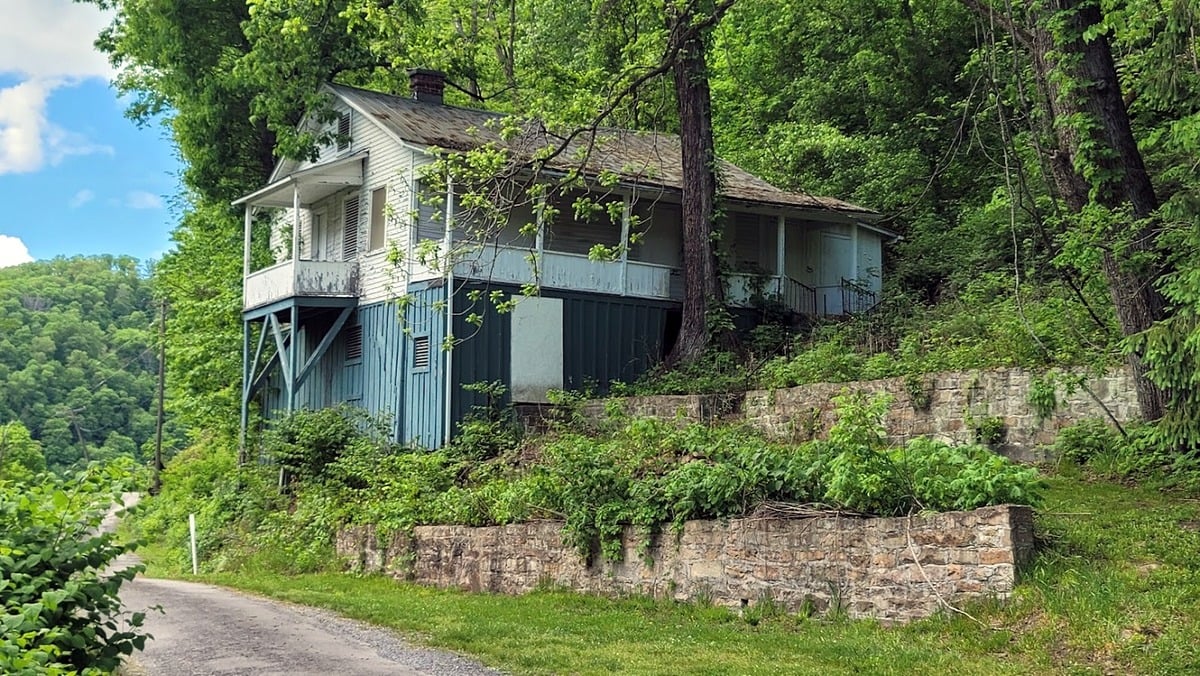
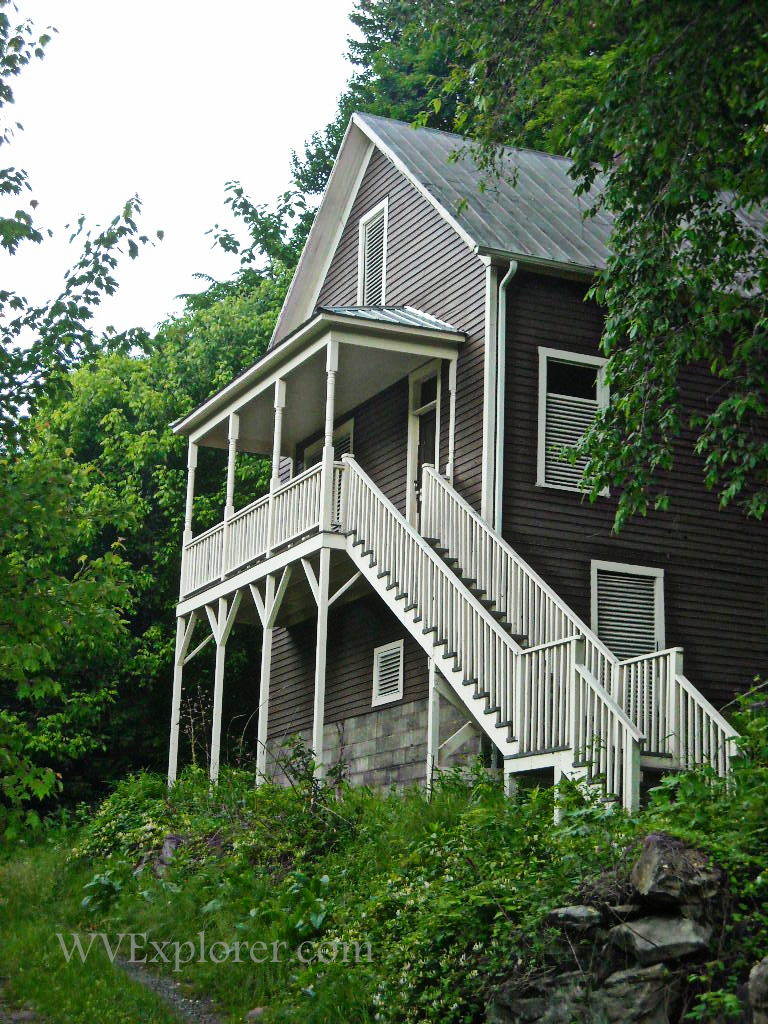
The agency plans to restore several historic properties in Thurmond, including the Fatty Lipscomb, McClung, McGuffin, Marilyn Brown, and Erskine Pugh houses, as well as buildings along Commercial Row.
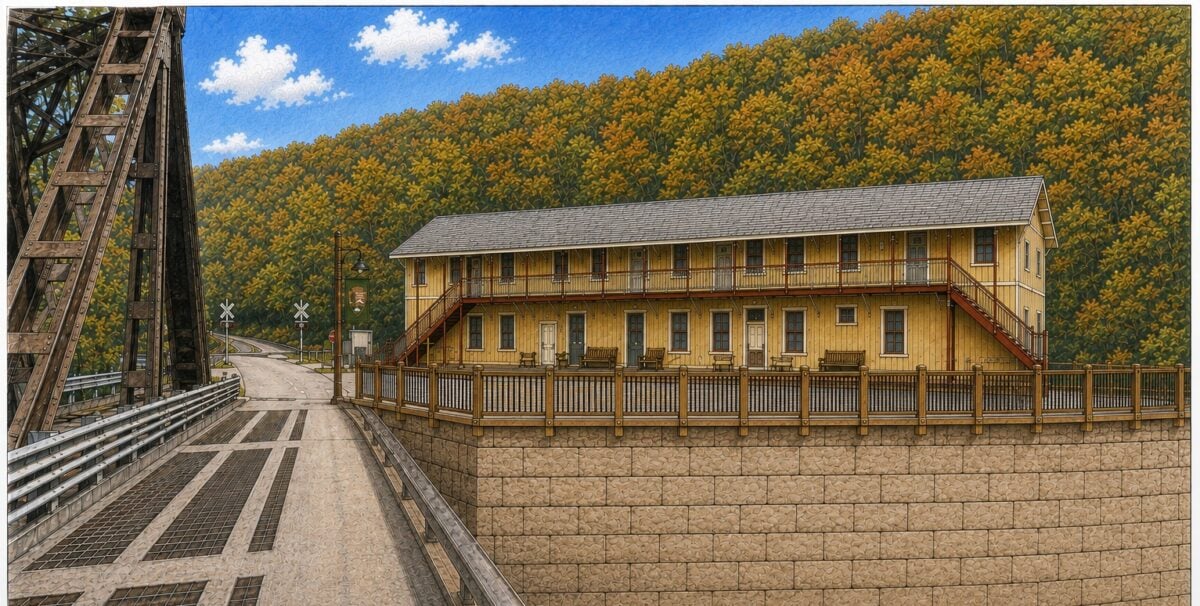
The work will include roof and gutter replacements, storefront restoration, interior framing repairs, drainage improvements, and installation of electrical, fire protection, and security systems. A retaining wall will also be constructed in front of the restored railroad depot.
The names of some buildings designated for restoration resemble those of structures previously approved for demolition. The earlier federal decision specifically identified the Phillip A. McClung/Meadows House, Billy McGuffin Garage, and Erskine Pugh Rental House for removal. The latest announcement does not clarify the relationship between those structures and the similarly named properties scheduled for restoration.
“These GAOA LRF projects will protect historic resources while improving visitor access and safety,” said acting park superintendent Eric LaPrice.
“As we conduct this important work, we appreciate the public’s patience and look forward to welcoming visitors back to see the improved structures once work is complete.”
County and town challenge demolition plans
The Fayette County Commission unanimously adopted a resolution on October 28 opposing the removal of historic buildings in Thurmond and asking the federal government to pursue stabilization and preservation instead.
The resolution followed concerns raised by Preservation Thurmond, a nonprofit organization working to protect threatened structures. Commissioners also said they were willing to cooperate with the Park Service in exploring alternatives.
The commission’s resolution does not prevent demolition of federally owned properties, but it adds the county government’s opposition to a dispute that has continued for more than a year.
The Town of Thurmond has pursued a legal challenge. As West Virginia Explorer reported in September, Charleston law firm Bailey & Glasser agreed to represent the town without charge in its efforts to prevent demolition.

The current status of any court proceedings, including whether an injunction has been requested or issued, has not been independently verified.
The Park Service maintains that the buildings selected for removal have deteriorated, present safety concerns, and require maintenance resources that could otherwise support other park facilities.
Preservation advocates dispute whether demolition is necessary, pointing to earlier federal assessments that recommended stabilizing many of the same structures.
Park-commissioned study recommended stabilization
A historic-resource study commissioned by the National Park Service in 2022 provides important background to the controversy.
Bratslavsky Consulting Engineers and Aurora Research Associates examined historic properties throughout the park, including 13 contributing structures in the Thurmond Historic District.
The consultants found that most of those 13 structures retained historic integrity despite deterioration caused by water infiltration, damaged roofs, vegetation, vandalism, and inadequate maintenance.
They identified the Billy McGuffin Garage and Phillip A. McClung House as the strongest candidates for demolition because of diminished significance and integrity. They also noted that historic-preservation consultation had already been completed for demolition of the Erskine Pugh Rental House.
For the remaining structures, they recommended a different approach.
“Preservation/stabilization is recommended for the remainder of the buildings,” the consultants wrote.
The study recommended immediate measures to keep water, animals, and unauthorized visitors out of the buildings, followed by regular maintenance and a comprehensive preservation plan.
It also emphasized the importance of finding productive uses for the structures, concluding that regular occupancy and maintenance offered the strongest prospects for long-term preservation.
The consultants cautioned that continued neglect could eventually make preservation impractical.
The Park Service subsequently approved demolition of several buildings for which the earlier study had recommended stabilization. The agency cited the costs of rehabilitation, the absence of reliable funding for continued maintenance and the limited potential for reuse.
The difference between the consultants’ recommendations and the agency’s eventual decision has become a central issue for preservation advocates.
Federal decision acknowledged historic losses
The Park Service approved its demolition program in July 2025 after evaluating three alternatives and reviewing public comments.

Its original proposal considered removing 19 historic structures and one modern addition throughout the park. The agency ultimately selected a modified alternative that retained three structures previously proposed for demolition: the Marilyn Brown House, Thurmond Ice House, and Dun Glen Ark.
The final federal decision authorized removal of other properties, including historic houses and outbuildings in Thurmond, the Prince Brothers General Store, and a building at Camp Brookside.
The Park Service acknowledged that removing contributing structures would adversely affect the historic integrity of the Thurmond Historic District. It concluded, however, that the district would retain enough historic character to remain eligible for listing on the National Register of Historic Places.
The agency also documented threatened buildings through three-dimensional scanning and proposed retaining foundations where practicable to help visitors understand the locations of demolished structures.
Thurmond’s significance extends beyond its surviving commercial buildings. The town developed during the late 19th and early 20th centuries as a railroad and coal transportation center, with homes, businesses, and railroad facilities occupying the narrow valley beside the New River.
Many comparable industrial communities in the gorge have disappeared or survive only as ruins. Thurmond’s remaining buildings provide a comparatively complete record of how such a community functioned.
Preservation advocates contend that removing additional houses and outbuildings will diminish that record, even if the railroad depot and Commercial Row remain standing.
Leasing could preserve additional structures
The latest announcement also says the Park Service is developing a program to offer improved historic buildings for potential public leasing through a competitive request-for-proposals process.

Federal leasing arrangements can allow private businesses, organizations, or individuals to rehabilitate and use historic properties while the government retains ownership.
The agency’s 2025 demolition decision identified three threatened structures that could be retained if viable leasing proposals were received: the Tom Kelly House in Thurmond and the Dun Glen Mini Ark and Boat Storage Rack.
The Dun Glen Ark, another structure associated with the gorge’s early commercial whitewater industry, was retained under the final decision and could also be considered for leasing.
Preservation Thurmond has encouraged prospective lessees to investigate the properties, arguing that adaptive reuse could preserve buildings the federal government no longer wishes to maintain.
The Park Service has previously cited insufficient staffing and resources to operate a historic leasing program. Its new announcement signals plans to develop such opportunities but does not identify prospective tenants, proposed uses, or a schedule for accepting bids.
Information about the federal process is available through the National Park Service’s leasing program.
Closures begin November 30
The $36 million investment is funded through the Great American Outdoors Act Legacy Restoration Fund, established under legislation signed into law in 2020.
The fund supports projects intended to address deferred maintenance on federal public lands. At New River Gorge, the program includes historic rehabilitation, infrastructure improvements, and demolition of structures the agency considers hazardous or unnecessary for park operations.
The Park Service has not provided a breakdown showing how much of the $36 million will be spent on demolition, restoration, or other improvements.
Building removal and associated public closures are expected to continue into spring 2027. The broader construction program will extend over several years, with additional temporary restrictions possible as work progresses.