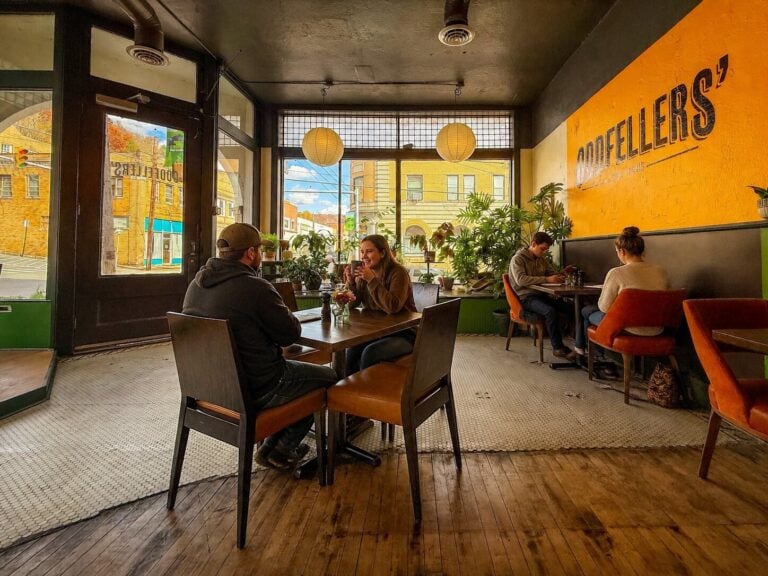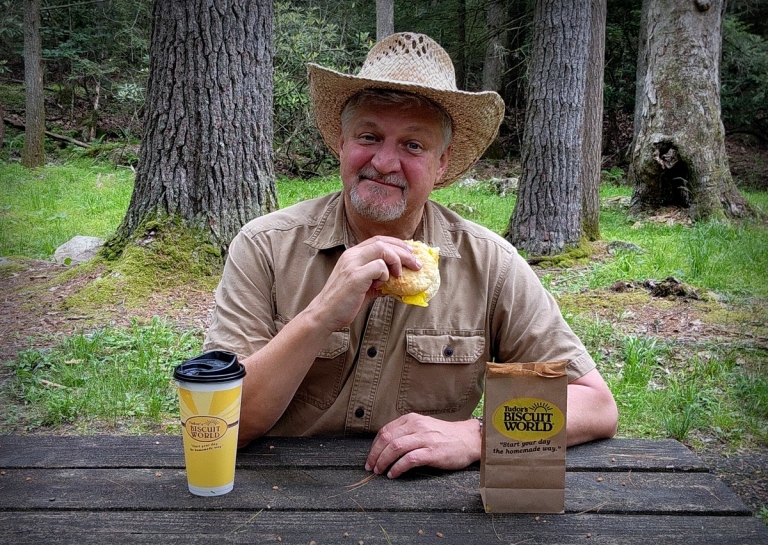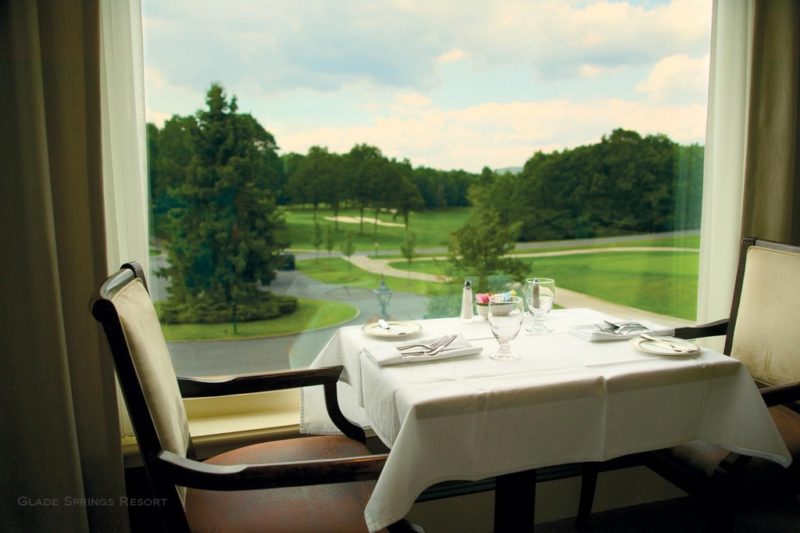
Dining in West Virginia draws on the state’s Appalachian heritage, industrial history, immigrant influences, and a modern outdoor recreation economy. Its cuisine blends traditional mountain foods, river and farm produce, hunting and foraging traditions, and regional comfort foods with contemporary dining trends that emphasize local sourcing, tourism, and health-conscious fare. Restaurants range from rural roadside diners and family-owned bakeries to upscale lodges, farm-to-table restaurants, breweries, and tourism-oriented establishments serving hikers, anglers, rafters, and travelers.

West Virginia cuisine developed from a blend of Scots-Irish Appalachian foodways, African American culinary influences, and immigrant cuisines brought by European laborers who worked in the state’s coal mines, railroads, timber camps, and industrial centers in the late nineteenth and early twentieth centuries. The result is a food culture distinct from both the Deep South and the urban Mid-Atlantic—yet it shares elements with neighboring Appalachian regions in Kentucky, Virginia, Ohio, and Pennsylvania.
Historical Foundations of Appalachian Cuisine
Traditional cuisine in West Virginia has long emphasized practicality, preservation, and locally available ingredients. Mountain communities often relied on subsistence farming, hunting, fishing, and foraging. Cornbread, beans, potatoes, wild game, cured pork, and seasonal vegetables formed the staples of many rural households.
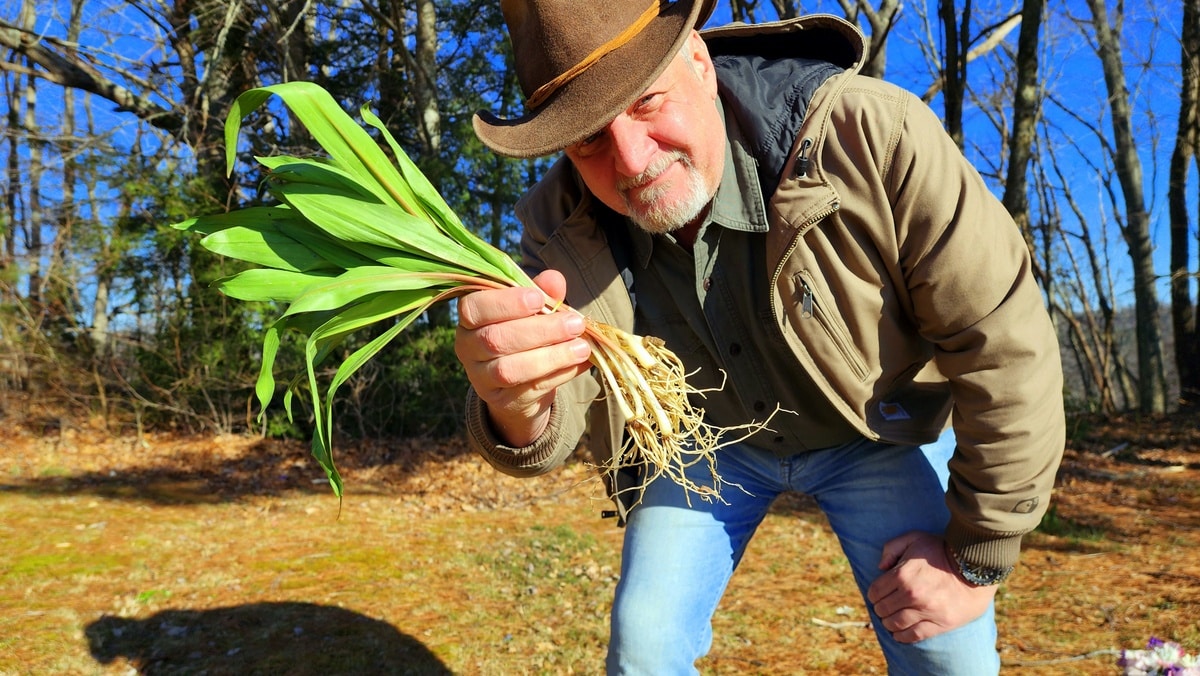
Among the most recognizable traditional foods are ramps, a wild leek native to Appalachian forests. Ramps have long been gathered in spring and remain culturally significant across the state. Communities hold seasonal ramp festivals celebrating the pungent plant, which is commonly fried with potatoes, scrambled with eggs, or incorporated into soups and spreads.
Beans and cornbread remain among the most enduring Appalachian meals in much of West Virginia. Soup beans, often cooked slowly with pork seasoning, are traditionally paired with skillet cornbread. Other historic dishes include fried potatoes, chow-chow relish, wilted lettuce, stack cake, apple butter, and cobblers made from seasonal fruit.
Game and freshwater fish historically supplemented household diets. Venison, squirrel, rabbit, trout, catfish, and bass were common foods in rural communities. Trout remains especially associated with mountain streams and recreational tourism, while deer processing and venison consumption remain common throughout much of the state.
Food preservation techniques played a major role in traditional West Virginia cooking. Canning, pickling, smoking, salting, and drying helped families endure harsh winters and geographic isolation. Pickled beans, canned tomatoes, sauerkraut, and cured hams remain common in Appalachian households and in restaurants that emphasize regional heritage.
Immigrant Influences
Industrialization transformed West Virginia’s culinary culture in the late nineteenth and early twentieth centuries. Coal mining and manufacturing attracted immigrants from Italy and Eastern Europe, introducing new foods and culinary traditions. Most such traditions remained strongest in the cities of the northern state.
Pepperoni rolls are perhaps the state’s best-known immigrant-influenced dish. Developed in north-central West Virginia, particularly in the Monongahela River valley around Clarksburg and Fairmont, the pepperoni roll began as a portable lunch for coal miners. Typically made with bread baked around sticks or slices of pepperoni, the roll became popular because it was durable, convenient, and required no refrigeration underground. In the early twenty-first century, it evolved into a statewide staple sold in bakeries, convenience stores, restaurants, and school cafeterias.

Italian immigrants also contributed pasta dishes, tomato sauces, breads, and pastries to local cuisine. Many communities still have Italian-American restaurants and bakeries dating to the early twentieth century. Meanwhile, Eastern European immigrants introduced foods such as stuffed cabbage, pierogies, sausages, and various cured meats.
In industrial cities along the Ohio River, including Wheeling, Weirton, and Parkersburg, dining traditions drew on broader Midwestern and Mid-Atlantic food cultures. Greek-owned diners, family restaurants, and neighborhood bakeries became common features of urban dining life throughout the twentieth century.
African American Influences
African American communities have made significant contributions to West Virginia’s culinary traditions, particularly in the state’s southern coalfields, railroad towns, and industrial cities that emerged in the nineteenth and twentieth centuries. Black West Virginians brought Southern foodways to the region through migration from Virginia and other Upper South states, and later industrial migration further expanded African American cultural influence in mining, railroad, timber, and manufacturing communities. These traditions became part of the broader working-class food culture that developed across much of the state.
Historically, African American cuisine in West Virginia centered on fried chicken, collard greens, cornbread, sweet potatoes, beans, macaroni and cheese, barbecue, cobblers, and slow-cooked meats. Church dinners, family reunions, holiday gatherings, and community events played a key role in preserving these culinary traditions. In cities including Huntington, Charleston, and Bluefield, Black-owned restaurants, diners, clubs, and catering businesses contributed to local dining culture and helped popularize soul food and barbecue traditions statewide.
Regional Dining Traditions
Dining traditions vary widely across West Virginia’s regions. The eastern mountains emphasize trout, game, lodge dining, and tourism-oriented cuisine linked to ski resorts and outdoor recreation. Northern West Virginia retains strong Italian-American and immigrant culinary traditions. Southern coalfield communities have long favored hearty Appalachian comfort foods and cafeteria-style restaurants serving miners and industrial workers.
The Potomac Highlands region is known for maple products, trout, artisan foods, and tourism-driven restaurants that cater to visitors seeking outdoor recreation and scenic travel. The Canaan Valley and New River Gorge regions increasingly feature breweries, coffee shops, health-conscious cafés, and restaurants serving whitewater rafters, climbers, and hikers.
Roadside dining remains an important part of the state’s food culture. Small-town diners, biscuit kitchens, hot dog shops, and family-owned restaurants serve as community gathering places across both urban and rural areas. West Virginia Hot Dogs commonly feature chili, slaw, mustard, and onions.
Barbecue and Comfort Foods
Barbecue traditions in West Virginia draw on neighboring Appalachian and Mid-Southern regions rather than a single dominant style. Pulled pork, smoked ribs, chicken, and brisket are common throughout the state, often accompanied by baked beans, coleslaw, macaroni and cheese, and cornbread.
Comfort foods remain central to many restaurants and home kitchens. Chicken and dumplings, meatloaf, fried chicken, mashed potatoes, biscuits and gravy, macaroni and cheese, and country ham are widely served. Breakfast traditions are especially prominent, with biscuits, gravy, sausage, eggs, hash browns, and pancakes forming staples at diners and family restaurants.
Sweets and Baked Goods
Traditional desserts in West Virginia include stack cakes, cobblers, fruit pies, molasses cookies, and apple butter served on biscuits or bread. Blackberry, apple, peach, and cherry desserts are especially common because of the abundance of mountain fruit and wild berries.
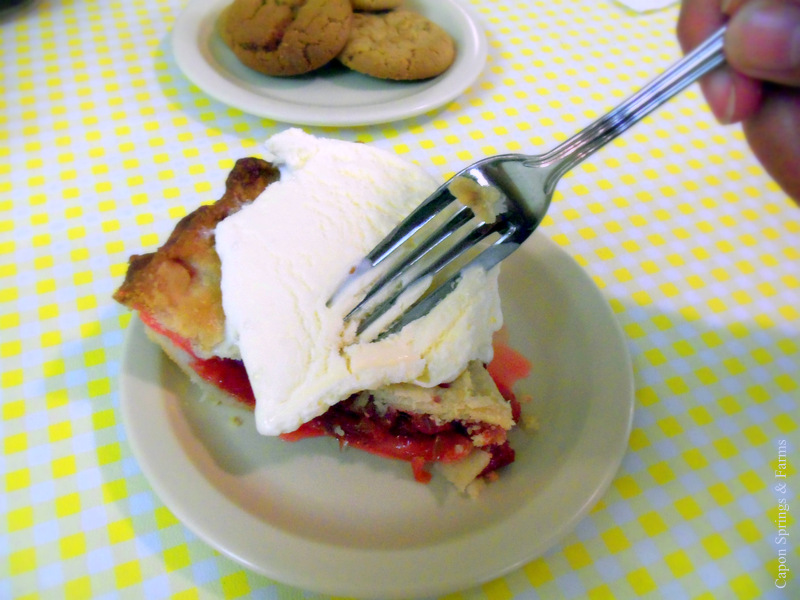
Many communities support long-established bakeries that produce pepperoni rolls, pastries, donuts, and Italian breads. Seasonal fairs and festivals often feature kettle corn, funnel cakes, homemade fudge, and regional candies.
Maple syrup production occurs primarily in the eastern mountains and at higher elevations, where sugar maple trees are abundant. Maple products are commonly sold at local festivals, farmers’ markets, and specialty stores.
Modern Dining and Tourism
In the twenty-first century, West Virginia dining increasingly reflects the growth of tourism, outdoor recreation, and farm-to-table food culture. Restaurants in destinations such as the New River Gorge, Canaan Valley, Snowshoe, Fayetteville, and Davis often blend Appalachian ingredients with contemporary culinary trends.
Modern menus frequently feature locally sourced trout, grass-fed beef, heirloom vegetables, ramps, mushrooms, craft beer, and artisan cheeses. Health-conscious offerings for hikers, cyclists, climbers, rafters, and wellness travelers have become more common. Grain bowls, salads, vegetarian dishes, and locally roasted coffee now coexist with traditional Appalachian comfort foods.
Craft breweries and distilleries have expanded significantly since the early twenty-first century. Many breweries incorporate regional identity into their branding and menus, pairing locally brewed beer with Appalachian-inspired cuisine and outdoor tourism culture.
Farmers’ markets and agritourism have also expanded across the state. Local producers sell vegetables, meats, honey, jams, maple syrup, baked goods, and specialty products directly to consumers, supporting interest in regional food heritage and sustainable agriculture.
Fine Dining and Resort Cuisine
West Virginia is also home to a tradition of luxury resort dining, most notably associated with The Greenbrier. Established in the eighteenth century as a mineral springs resort, it developed an international reputation for formal dining and hospitality that attracted presidents, diplomats, and wealthy travelers. Its restaurants helped introduce elements of classical French and continental cuisine to the state while incorporating regional ingredients such as trout, game, ham, apples, and mountain produce.
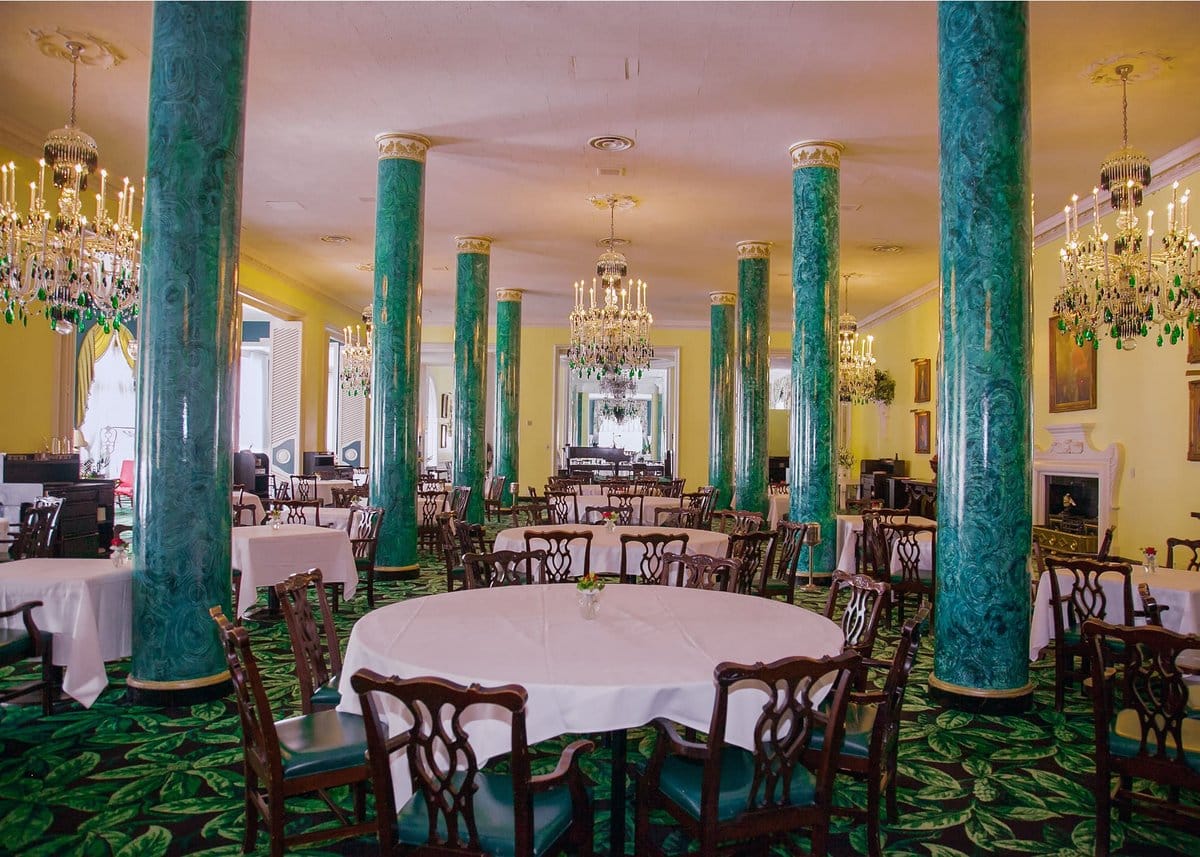
Other upscale resorts and lodges throughout West Virginia have similarly combined Appalachian ingredients with refined culinary techniques, offering steaks, seafood, wine programs, artisan desserts, and chef-driven seasonal menus aimed at both tourists and destination travelers. In recent decades, fine dining in the state has increasingly emphasized locally sourced ingredients and contemporary Appalachian cuisine, blending traditional flavors with modern presentation and health-conscious preparation.
Festivals and Food Events
Food festivals play a vital role in West Virginia’s tourism and community identity. Ramp festivals are held in several mountain communities each spring. Other festivals celebrate strawberries, apples, buckwheat cakes, Italian heritage, barbecue, and local agriculture.
County fairs and community events commonly feature traditional Appalachian foods, homemade baked goods, livestock exhibitions, and regional specialties. These events preserve culinary traditions while promoting tourism and local economic development.
Dining and Outdoor Recreation
Outdoor recreation has increasingly shaped West Virginia’s dining industry. National and state parks, ski resorts, rivers, and trail systems draw visitors seeking both recreation and regional food experiences.
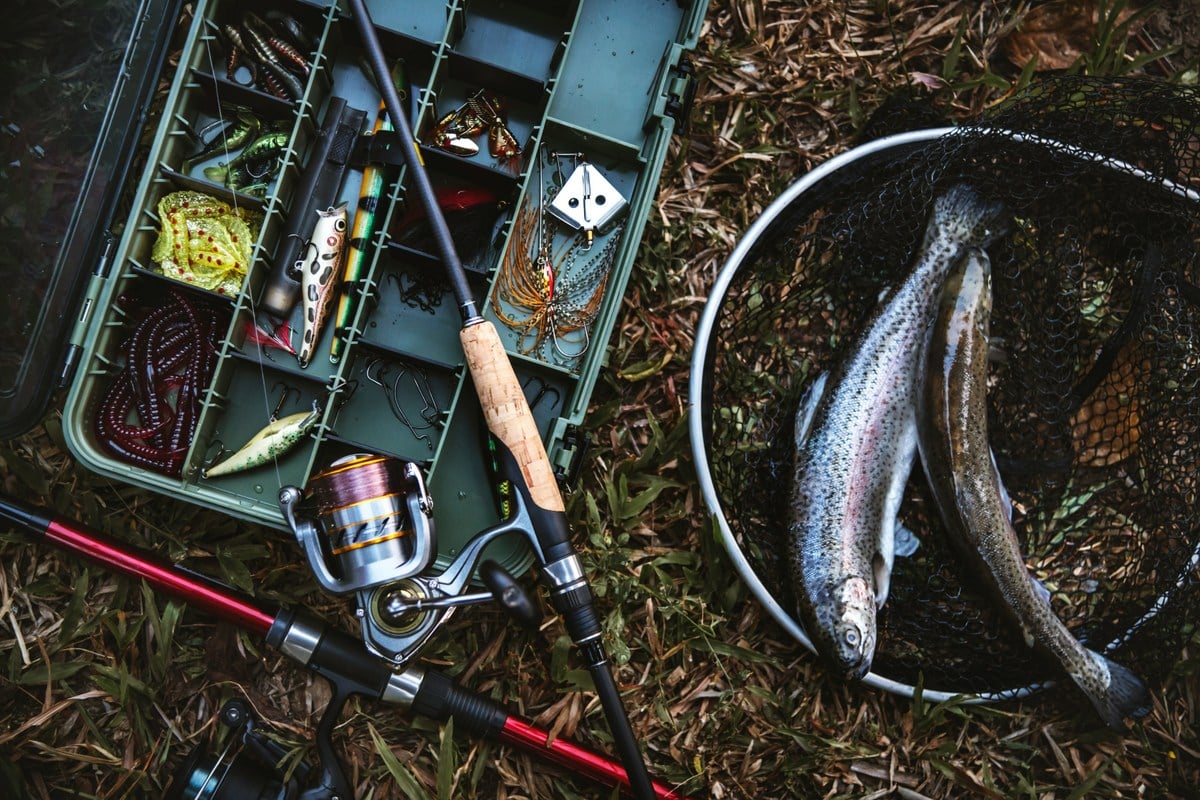
Restaurants in recreation hubs often cater to hikers, anglers, climbers, mountain bikers, and rafters with portable meals, energy-focused foods, healthy breakfasts, sandwiches, and craft beverages. At the same time, many establishments emphasize Appalachian authenticity through ingredients such as ramps, trout, venison, local honey, and seasonal produce.
State park lodges and resort dining rooms often blend rustic Appalachian themes with contemporary hospitality. Menus may feature regional specialties alongside steaks, seafood, salads, and modern American dishes designed to appeal to tourists from outside the region.
Contemporary Identity
Modern dining in West Virginia reflects an ongoing balance between preservation and reinvention. Traditional Appalachian foods remain culturally significant, especially in rural communities and at heritage festivals, while younger chefs and tourism-oriented entrepreneurs increasingly reinterpret regional cuisine for broader audiences.
As tourism and outdoor recreation continue to grow, West Virginia’s food culture increasingly serves as both a cultural expression and an economic asset. Dining in the state now encompasses historic Appalachian cooking, immigrant traditions, roadside comfort foods, and contemporary cuisine shaped by sustainability, recreation, and regional identity.