
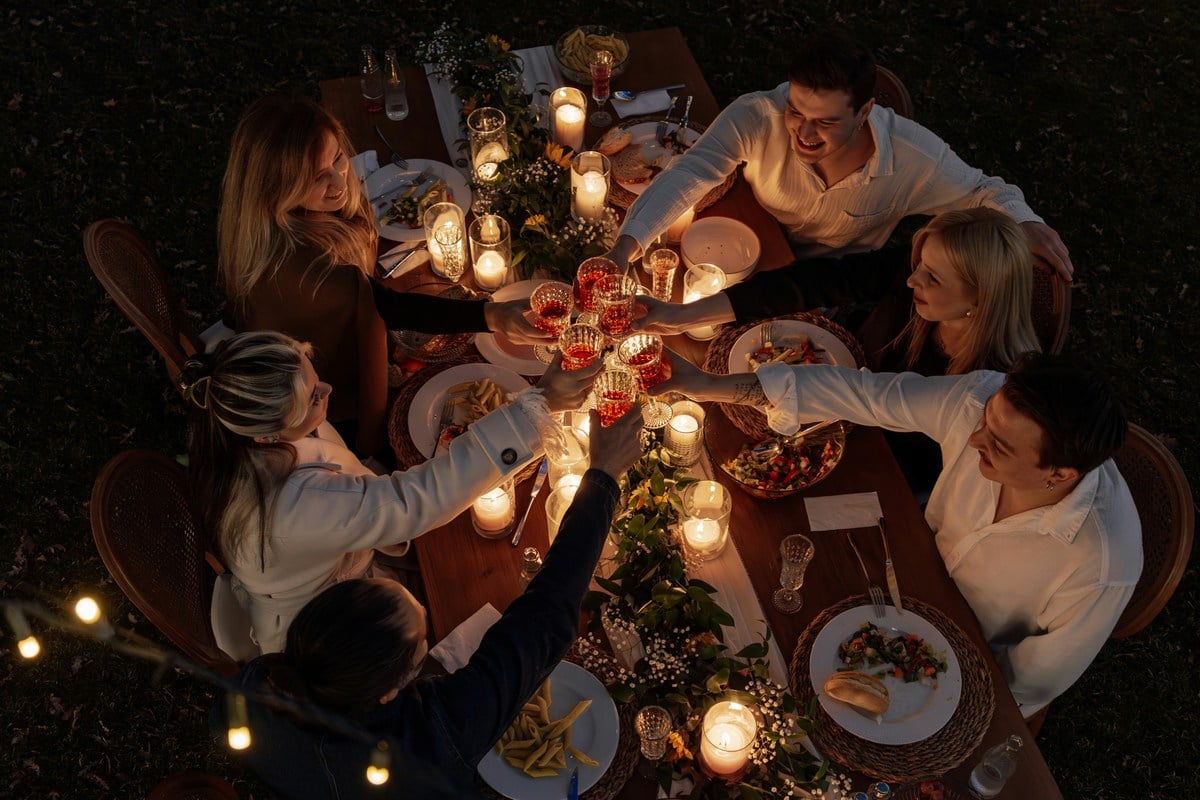
BECKLEY, W.Va. — West Virginia’s food scene has entered a period of national recognition, but many travelers outside Appalachia still think of its cuisine in terms of old stereotypes rather than contemporary excellence, according to Chef Matt Welsch.
Welsch, owner of Vagabond Kitchen in Wheeling, said the most significant change isn’t what’s being served in restaurant dining rooms but how chefs are reclaiming the story of Appalachian cooking.
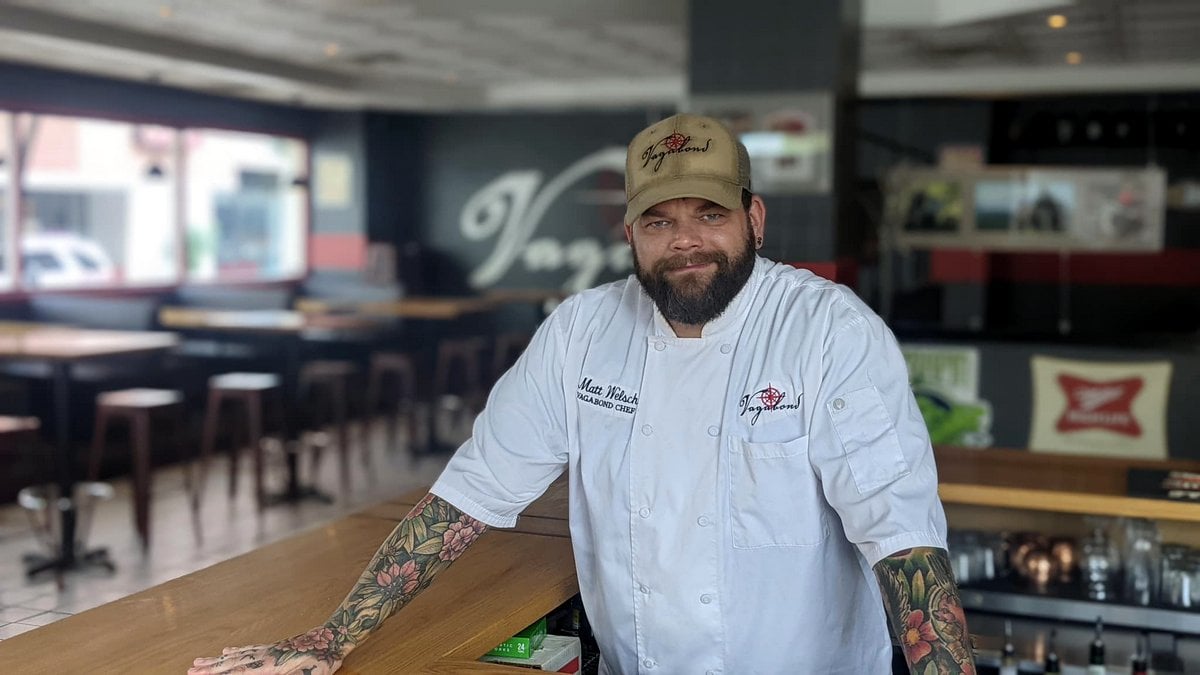
“For decades, the story outsiders told about mountain cooking was one of scarcity,” Welsch said. “Beans and cornbread became a stand-in for poverty. The chefs doing the most interesting work right now are embracing that frame, then turning it on its head.”
National recognition has followed. West Virginia chefs have earned James Beard honors. Farm dinners routinely sell out months in advance. And restaurants across the state increasingly build their menus around ingredients supplied by neighboring farms. Yet, Welsch believes many Americans still have not caught up with how dramatically the state’s culinary landscape has evolved.
That disconnect is understandable, he said. For generations, he says, West Virginia has been marketed for its rivers, mountains, and small towns, while its kitchens received far less attention. Visitors often arrive expecting comfort food alone, only to discover chefs serving tasting menus built around locally foraged mushrooms, heritage grains, mountain trout, and vegetables harvested hours before dinner.
“People are surprised,” Welsch said. “They don’t expect this level of cooking when they cross the state line.”
West Virginia’s culinary revival began long before Anthony Bourdain
Many visitors first became aware of modern Appalachian cuisine when Anthony Bourdain visited Lost Creek Farm in Harrison County for his 2018 television series Parts Unknown. Welsch said the attention was well deserved but believes it also created the impression that West Virginia’s culinary revival began with that broadcast. “It didn’t,” he said.
Long before television crews arrived, Chef Damian Heath had quietly established one of the state’s most respected restaurants inside a restored 1913 home in Berkeley Springs. Beginning in 2008, Heath earned ten consecutive James Beard Best Chef Southeast semifinalist nominations, an accomplishment that drew admiration within the restaurant industry while remaining largely unknown to the traveling public.
“If there’s one place that proves this isn’t a new story, it’s Lot 12,” Welsch said.
Today, Lot 12 Public House continues serving seasonal prix fixe dinners that change with the farms, forests and weather of the eastern mountains. Menus might feature smoked duck over rosemary grits, fried catfish charcuterie or Heath’s take on a pepperoni roll, illustrating how Appalachian ingredients can support sophisticated contemporary cooking.
Welsch said restaurants like Lot 12 challenge another common assumption—that sophisticated dining belongs only in major metropolitan areas.
“You don’t have to go to Charleston, Pittsburgh or Washington to have an extraordinary meal,” he said. “Some of the most exciting restaurants are in places people would never expect.”
Why local farms have become the foundation of West Virginia’s best restaurants
Welsch said another change in West Virginia cuisine has occurred largely outside public view.
“The phrase ‘farm-to-table’ has almost become meaningless,” he said. “Farm-to-table has stopped being a menu phrase and become a supply chain.”
Rather than treating local sourcing as a marketing concept, many West Virginia restaurants now build their menus around longstanding relationships with neighboring farms. Produce, meats, herbs and eggs often arrive from growers located only a few miles away.
“The best restaurants in the state are embracing what most makes us Appalachian,” Welsch said. “Community! Taking care of your neighbors.”
Instead of simply advertising local ingredients, he said, chefs increasingly tell diners exactly who grew the vegetables, who raised the livestock, or who produced the cheeses appearing on each plate.
James Beard recognition is putting West Virginia on the culinary map
That philosophy has spread across much of the state, and Welsch believes the growing national attention reflects years of work that often went unnoticed.
At Lost Creek Farm, Mike Costello and Amy Dawson prepare seasonal dinners on the Harrison County farm where Costello grew up, combining ingredients raised, gathered and foraged nearby. Reservations routinely sell out well before each season begins.
In Shepherdstown, Chef Mary Ellen Diaz has earned national attention for Alma Bea, where she describes her menu as “Tapa-lachian,” combining French culinary training with Appalachian ingredients and traditions.
Near Elkins, Chef Jon Eric Stalnaker has built The Forks into a destination for reservation-only tasting menus featuring herbs, mushrooms, ramps and meats grown or gathered around Kelly Mountain.
Charleston Chef Paul Smith at 1010 Bridge added another milestone in 2024 when he became the first West Virginian to win a James Beard Award, recognition Welsch believes demonstrated that the state’s culinary reputation now extends well beyond a single restaurant or chef.

“We have a bench now,” Welsch said, referring to the growing number of nationally respected chefs working across the Mountain State.
Chef Matt Welsch’s recommendations for exploring West Virginia’s food culture
Asked where travelers should begin exploring West Virginia’s food culture, Welsch’s recommendations range from nationally recognized fine dining to long-established local institutions.
He points visitors toward Lot 12 Public House in Berkeley Springs and Lost Creek Farm in Harrison County, while also recommending Alma Bea in Shepherdstown, The Forks near Elkins, Paul Smith’s Charleston restaurants, 1010 Bridge, and Paulie’s Fine Italian.
His list also includes places that have become food destinations through consistency rather than celebrity.
The Jefferson Dining Room at Lewisburg’s General Lewis Inn continues a tradition of cooking with herbs grown behind the historic inn and meats purchased directly from area farms. Sirianni’s Pizza Cafe in Davis has served generations of skiers and hikers traveling through Canaan Valley, while Farmer’s Daughter Market & Butcher in Capon Bridge demonstrates that a country butcher shop can produce one of the state’s most memorable meals.
Welsch also recommends Table 9 in Morgantown for its constantly changing contemporary menu, Copper & Rye in Barboursville for refined Southern cooking served in a historic setting, Brix 27 in Martinsburg for its inventive small plates and wine program, and, with some reluctance, his own Vagabond Kitchen in downtown Wheeling, which he included because he believes it reflects the same commitment to local producers that defines the state’s broader culinary movement.
Welsch believes changing food perceptions may be the most important ingredient in West Virginia’s culinary future.

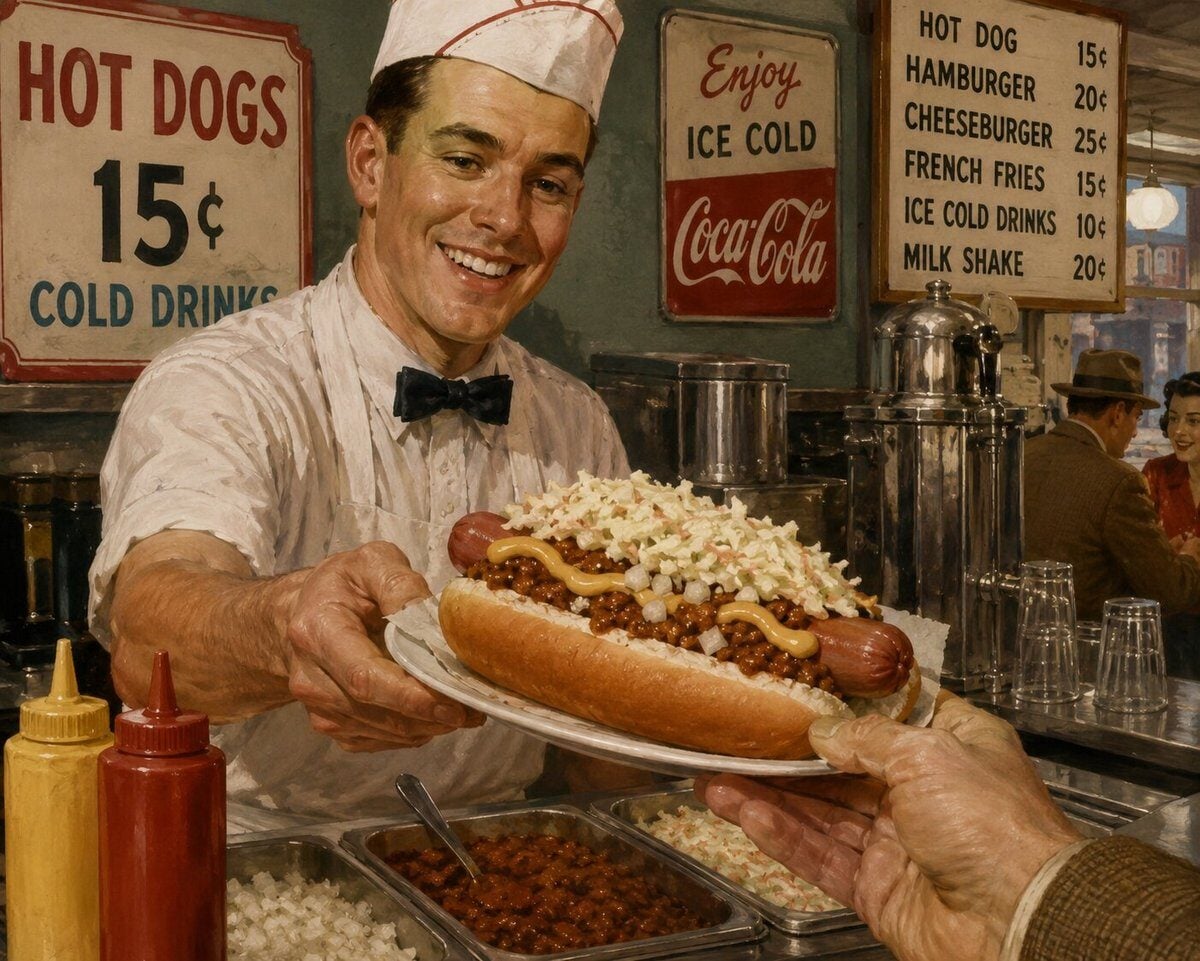
Travelers who come expecting only familiar Appalachian comfort food will certainly find pepperoni rolls, biscuits, ramps and soup beans. Those traditions remain an essential part of the state’s identity. What surprises many first-time visitors, he said, is discovering chefs who have transformed those same ingredients into nationally recognized cuisine without abandoning their Appalachian roots.
“West Virginia has always had a rich food culture,” Welsch said. “The topography demands it. And it’s no longer a secret.”
As more travelers venture beyond the state’s hiking trails, whitewater rivers and mountain overlooks, Welsch believes many will discover that one of Appalachia’s most memorable experiences now begins not at a trailhead, but with food around a dinner table. West Virginia cuisine is viable tourism.
“The story of West Virginia’s food has never really changed,” Welsch said. “The rest of the country is only now beginning to catch up.”
Read more: Why the West Virginia hot dog is unlike any other in America
I find it interesting and a bit disappointing that the dateline of the article is Beckley, yet not a single Beckley establishment was noted.
A dateline is determined by where the story was written.