

The McClintic Wildlife Management Area encompasses 3,655 acres of wetlands, ponds, fields, and hardwood forests in Mason County, West Virginia, approximately five miles north of Point Pleasant. Managed by the W.Va. Division of Natural Resources, the area provides opportunities for fishing, hunting, birdwatching, hiking, and wildlife photography.
Located in the lowlands of the Ohio River valley, McClintic includes 41 managed waterfowl ponds and extensive habitat for migratory birds. Locally known as the “TNT Area,” it refers to the World War II explosives manufacturing complex that once occupied the surrounding property. Surviving ammunition-storage bunkers and the area’s association with the Mothman legend attract visitors interested in its history and folklore.
Landscape and wildlife
According to the division, McClintic includes approximately 1,775 acres of mixed hardwood forest, 1,100 acres of brushland, 600 acres of farmland, and 180 acres of wetlands. Its wetlands include marshes, wet meadows, shrub swamps, forested wetlands, and shallow ponds.
The W.Va. Department of Environmental Protection identifies the management area as an important birdwatching location, with more than 230 bird species documented. Birdwatchers may encounter great blue herons, great egrets, green-winged teal, northern harriers, American woodcock, red-winged blackbirds, and common yellowthroats.
The forests and fields also support white-tailed deer, wild turkeys, squirrels, rabbits, and numerous fur-bearing mammals, including beavers, muskrats, foxes, raccoons, and bobcats.
Fishing, hunting, and outdoor recreation
McClintic’s ponds offer fishing for warmwater species, and electric motors are permitted on boats. A fishing pier accessible to people with disabilities is also available.
Fishing access varies by pond and season. Some ponds are open year-round, others have seasonal restrictions, and certain ponds are closed to fishing. Using live minnows as bait is prohibited. Anglers should consult the state regulations governing fishing at McClintic before visiting.
Hunting opportunities include deer, turkey, squirrel, rabbit, grouse, mourning dove, and waterfowl. McClintic is particularly known for its controlled waterfowl hunting program. The division reports maintaining 41 waterfowl ponds and 22 shooting stations, including two accessible stations. Participation in controlled hunts may require advance application and lottery selection.
Visitors may also explore the area on foot using access trails and roads. The area includes a 100-yard shooting range. Camping is prohibited.
History of the TNT Area
McClintic occupies part of the former West Virginia Ordnance Works, a federal explosives manufacturing complex established during World War II. The plant produced explosives for military use, and the surrounding property included reinforced concrete bunkers used for explosives storage.
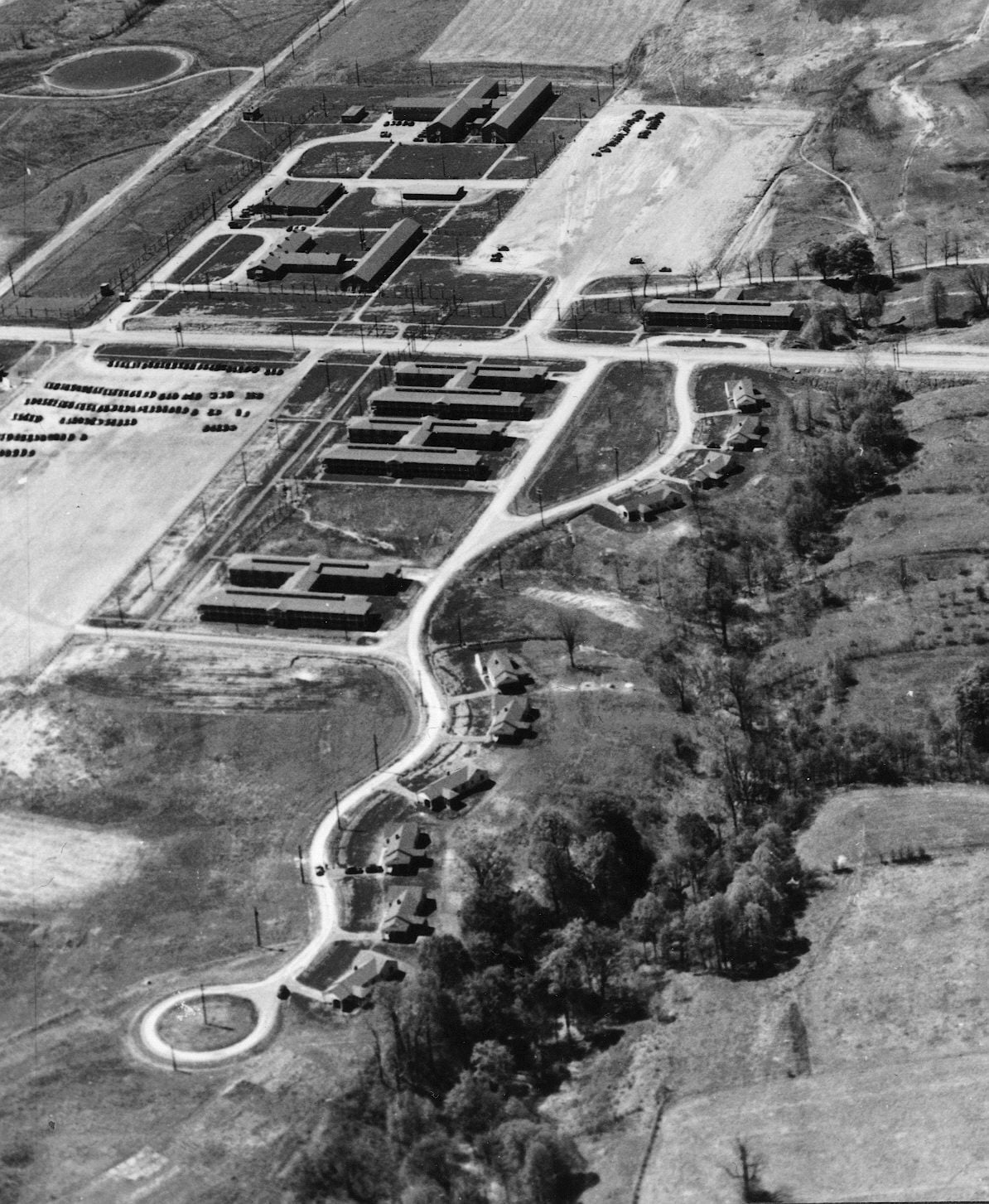
After the war, portions of the former industrial property were incorporated into state wildlife management operations. The landscape was subsequently managed for wildlife habitat, fishing, hunting, and public recreation.
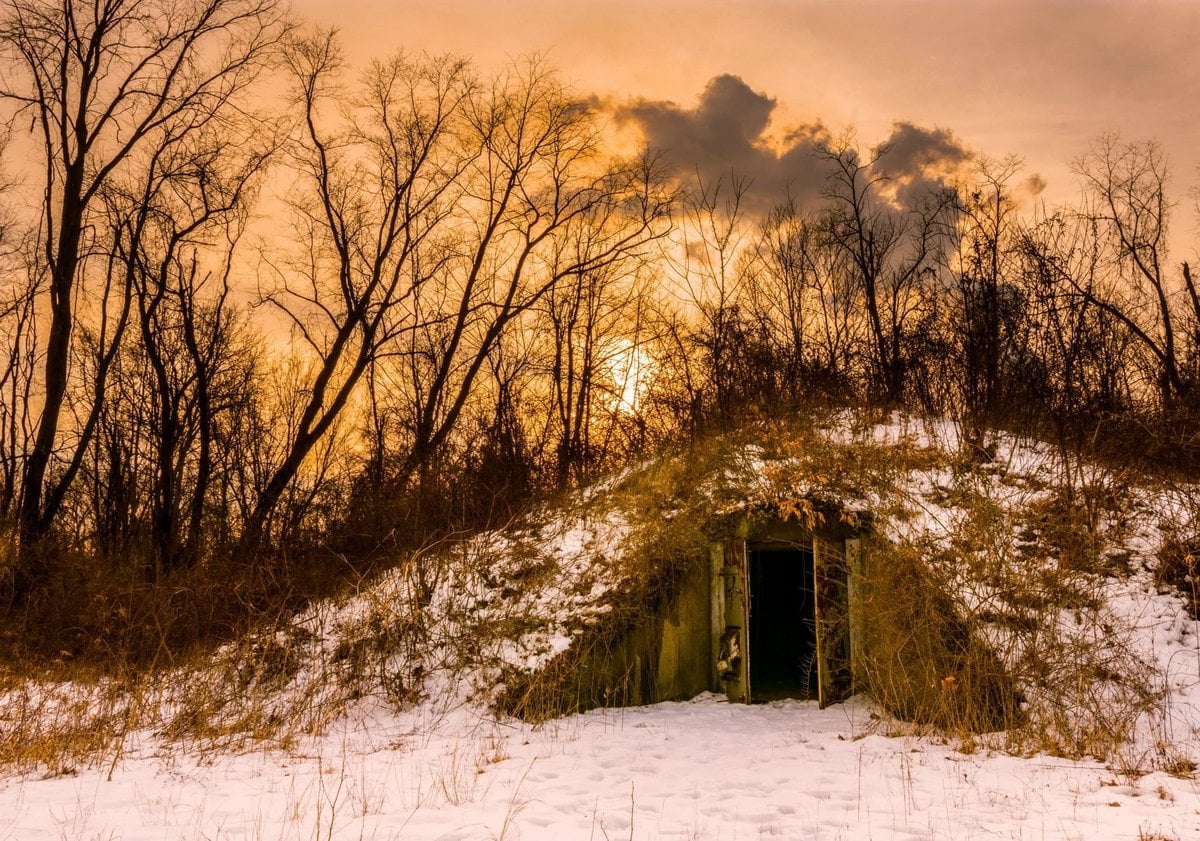
The surviving concrete storage bunkers, commonly called igloos, remain visible in parts of the former ordnance works. Their distinctive earth-covered construction reflects the safety precautions used to store explosives during wartime.
The former military installation has also been the subject of federal environmental investigations and cleanup activities. Visitors should respect posted restrictions around former industrial facilities.
The Mothman legend
The former TNT Area became the setting for some of the earliest reported sightings of the Mothman, a mysterious winged creature described by witnesses near Point Pleasant in November 1966.
The reports attracted widespread attention and eventually became an enduring part of West Virginia folklore. John Keel’s 1975 book The Mothman Prophecies and the 2002 film adaptation brought the story to a national audience.
Today, the association draws visitors interested in paranormal history to the former ordnance works and nearby Point Pleasant. The area’s TNT bunkers are also represented in the West Virginia-inspired video game Fallout 76.
Read also: The top five monsters from the West Virginia Hills
Location and access
McClintic Wildlife Management Area is located approximately five miles north of Point Pleasant and eight miles south of Mason, West Virginia. Visitors can reach the area from WV-62 by turning onto Fairgrounds Road (County Route 12) and following W.Va. DNR signs.
The management area includes parking areas and access trails, although conditions and access may vary by season. Visitors should be mindful of hunting activity, particularly during established hunting seasons.
The state provides an official McClintic Wildlife Management Area map showing roads, ponds, parking areas, trails, and recreation facilities.
Nearby attractions
Point Pleasant offers several attractions associated with the region’s history and folklore, including the Mothman Museum, Mothman Statue, and Tu-Endie-Wei State Park at the confluence of the Ohio and Kanawha rivers.
The West Virginia State Farm Museum is also located near the wildlife management area.

Visitor information
| County | Mason |
| Nearest city | Point Pleasant |
| Acreage | 3,655 acres |
| Waterfowl ponds | 41 managed ponds |
| Management | West Virginia Division of Natural Resources |
| Activities | Fishing, hunting, hiking, birdwatching, wildlife photography |
| Shooting range | 100 yards |
| Camping | Prohibited |
| Access | WV-62 via Fairgrounds Road (CR-12) |
For current hunting and fishing regulations, maps, and visitor information, visit the WVDNR District 5 Wildlife Management Areas page.
Hotels near McClintic WMA
Mason (WV) Hotels
Point Pleasant (WV) Hotels
Regional Information
Further information on lodging, dining, and recreation near the McClintic Wildlife Management Area may be found in our guide to travel in the Mid-Ohio Valley Region, in which the wildlife management area is located.