
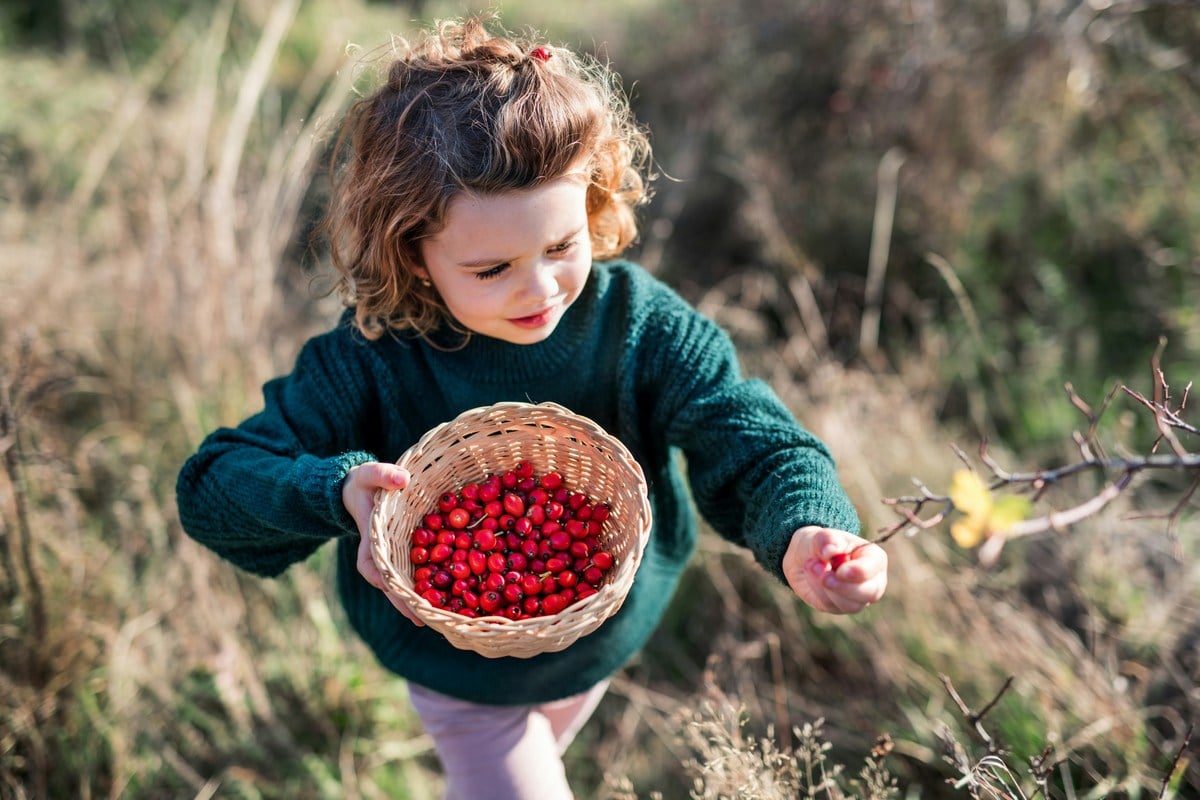
CAIRO, W.Va. — For nearly six decades, people have gathered in the woods of a West Virginia state park to find, prepare, and eat foods most visitors might simply walk past.

The tradition will continue Sept. 11–13, when Nature Wonder Weekend, commonly known as Wild Foods Weekend, returns to North Bend State Park in Ritchie County with guided foraging walks, workshops, and a Saturday gathering devoted to foods collected from the wild.
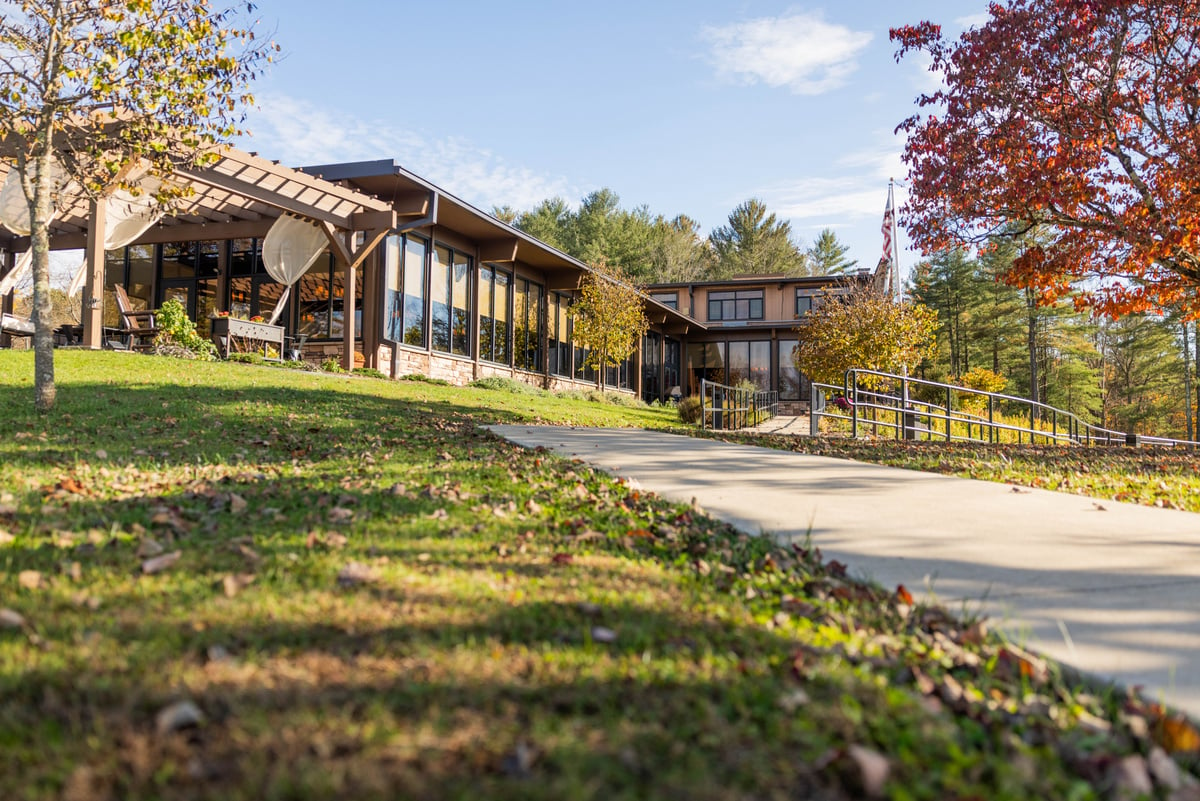
Officials at the W.Va. Division of Natural Resources describe the event as the nation’s longest-running gathering of its kind. Its roots trace to 1968 and to one of America’s best-known advocates of eating from the landscape—author and naturalist Euell Gibbons.
Gibbons, whose 1962 book Stalking the Wild Asparagus helped introduce generations of Americans to foraging, was the featured speaker at the first Nature Wonder Weekend. But the West Virginia tradition actually began a year earlier with an adult-education class.
A wild-food dinner started a West Virginia tradition
In 1967, Edelene Wood taught a wild-food class for the Wood County school system, and the course ended with a dinner made from wild ingredients, according to an account published by the West Virginia Department of Agriculture.
Wood had been corresponding with Gibbons and began considering something considerably more ambitious—an entire weekend devoted to wild foods at North Bend State Park. Gibbons agreed to participate, and in September 1968, the first Nature Wonder Weekend was held at North Bend, with Gibbons as its featured speaker.
An archive of Gibbons’ papers at Boston University preserves material from that inaugural gathering, including a 40-page booklet and news clippings from the Sept. 21–22, 1968, event.
Wood remained closely tied to the gathering and became the longtime president of the National Wild Foods Association. She also wrote books on wild foods, including A Taste of the Wild and Favorite Wild Foods of the 50 States.
Gibbons died in 1975, but his association with North Bend remains visible. One of the park’s hiking trails bears his name, a reminder of the naturalist whose appearance helped establish a West Virginia tradition that would endure for generations.
Finding food in the West Virginia woods
Foraging doesn’t necessarily mean surviving on unfamiliar plants deep in the wilderness. Many edible wild plants grow in places West Virginians encounter routinely.
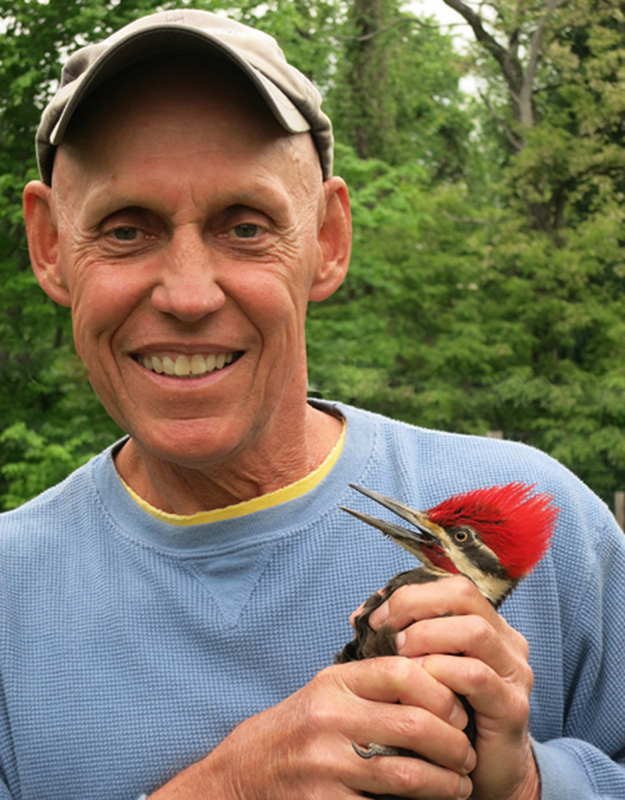
Bill Beatty, a West Virginia naturalist and this year’s featured Nature Wonder Weekend speaker, has spent more than 50 years foraging in Appalachia. Previously writing for West Virginia Explorer, Beatty recommended that beginners start by learning a handful of easily recognized plants rather than trying to identify everything at once.
Among the plants he has highlighted are chickweed, dandelion, wild garlic, common blue violet, and hairy bittercress. Ramps, among the best-known Appalachian wild foods, can also be harvested and used as a potent substitute for domestic onions.
Beatty said wild plants have remained part of his diet, even as he maintains a vegetable garden.
“Wild plants are very nutritious, they taste good, and they are free,” Beatty wrote. “If variety truly is the spice of life, then why not let a wild plant spice up my life a bit?”
The tradition at North Bend has encompassed much more than collecting greens. An account of a previous Nature Wonder Weekend described participants encountering butternut, sourwood, wild ginger, wild grape, sassafras, and shagbark hickory during a Saturday walk before bringing wild ingredients together for a communal feast.
That combination of learning what grows in the Appalachian landscape, gathering it, and discovering how to prepare it has helped distinguish the North Bend event from an ordinary nature workshop.
Wild-food walks return in September
This year’s Nature Wonder Weekend will feature leader-guided foraging walks and workshops on identifying and preparing wild foods, state park officials say. Beatty will be joined by Dave Hawkins of Parkersburg, a master herbalist known as the “Herb Doc,” who has studied natural healing since the early 1970s.
During a Saturday social hour, participants can also enter contests for wild foods, wild cakes, and wild drinks.
Brett McMillion, director of the division, emphasized the state’s growing community of wild-foods connoisseurs while describing the weekend.
“Whether you’re an experienced forager or just curious about wild foods, this event is a great way to learn something new and become part of a community that truly appreciates the beauty of our state,” McMillion said.
The National Wild Foods Association, the W.Va. DNR, and North Bend State Park sponsor the weekend. Registration is $35 per participant, with lodging and meals available separately. Five conventional meals will also be offered during the weekend for visitors who aren’t prepared to subsist entirely on what they can find in the woods.
Organizers emphasize education and identification as part of the gathering. Beatty has similarly cautioned prospective foragers to learn to identify plants reliably using appropriate field guides before collecting wild foods.
Nearly 60 years after Wood invited Gibbons to North Bend, visitors are still coming to the Ritchie County park for essentially the same reason: to discover that some of what grows unnoticed beneath their feet can also have a place at the table.
I would love to do this. I wish I could.