
HURRICANE, W.Va. — The West Virginia State Parks Foundation has received a $50,000 grant from the Claude Worthington Benedum Foundation to strengthen organizational capacity and expand public awareness of the value of West Virginia state parks, forests, and rail trails.

Parks Foundation executive director Brad Reed said the grant marks a pivotal moment for the nonprofit organization, which supports the state’s park system through fundraising, advocacy, and partnerships.
“This grant award enables a huge step forward in the evolution of our organization,” Reed said. “The funding will allow us to significantly build our capacity through public awareness, credibility, and advocacy for our outstanding state park system.”
Reed emphasized that the foundation’s work directly benefits the public lands that define West Virginia’s outdoor heritage.
“Everything we do is for the benefit of West Virginia state parks, forests, and rail trails,” he said.
“We partner with local foundations serving individual park system areas to raise funding for important projects and maintenance, host special events, provide volunteer help where we can, and tell the story of the importance and value of these most treasured places.”
The Claude Worthington Benedum Foundation, one of the region’s most influential philanthropic organizations, said the grant reflects the growing importance of state parks as community assets and economic drivers.
“The Benedum Foundation is proud to support the efforts of the West Virginia State Parks Foundation,” said Bill Woodrum, senior program officer for the foundation.
“West Virginia’s state parks, forests, and rail trails are a unique resource for our state and have seen massive increases in use in recent years. They showcase some of the best natural resources in the nation and are fundamental to how communities engage with these natural wonders.”
Woodrum said the funding will help parks of all sizes strengthen operations and better serve local communities.
“These funds will help both large and small parks build capacity and provide increased services,” he said.
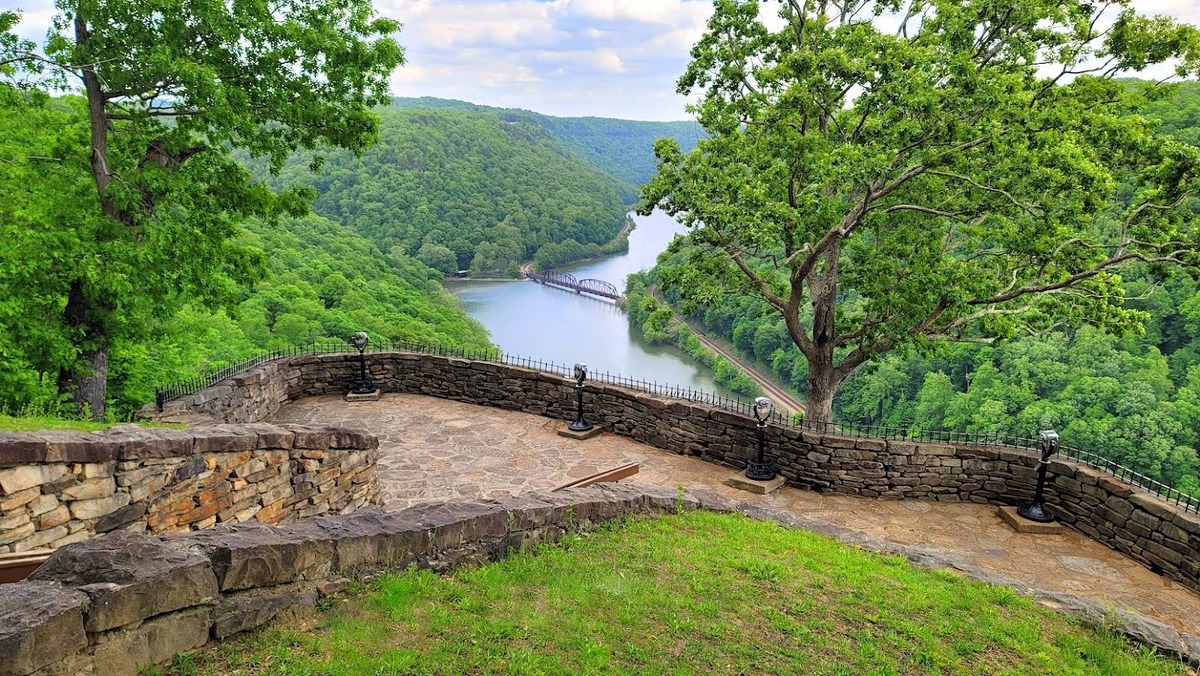
West Virginia’s state park system includes 48 state parks, nine state forests, and dozens of rail trails, drawing millions of visitors annually and supporting tourism, outdoor recreation, and local economies across the Mountain State.
“We can’t thank the Benedum Foundation enough for this generous award,” Reed said.
About the West Virginia State Parks Foundation
The West Virginia State Parks Foundation is an independent 501(c)(3) nonprofit organization with a mission to preserve, protect, and enhance West Virginia State Parks by providing leadership in communication, funding, and advocacy in partnership with individual park foundations. More information is available at Lovewvstateparks.com.
About the Claude Worthington Benedum Foundation
Founded in 1944 by Michael and Sarah Benedum, the Claude Worthington Benedum Foundation serves West Virginia and southwestern Pennsylvania through grants supporting education, economic development, health, and community development. Find out more at Benedum.org.
Fifteen facts about West Virginia state parks you might not know
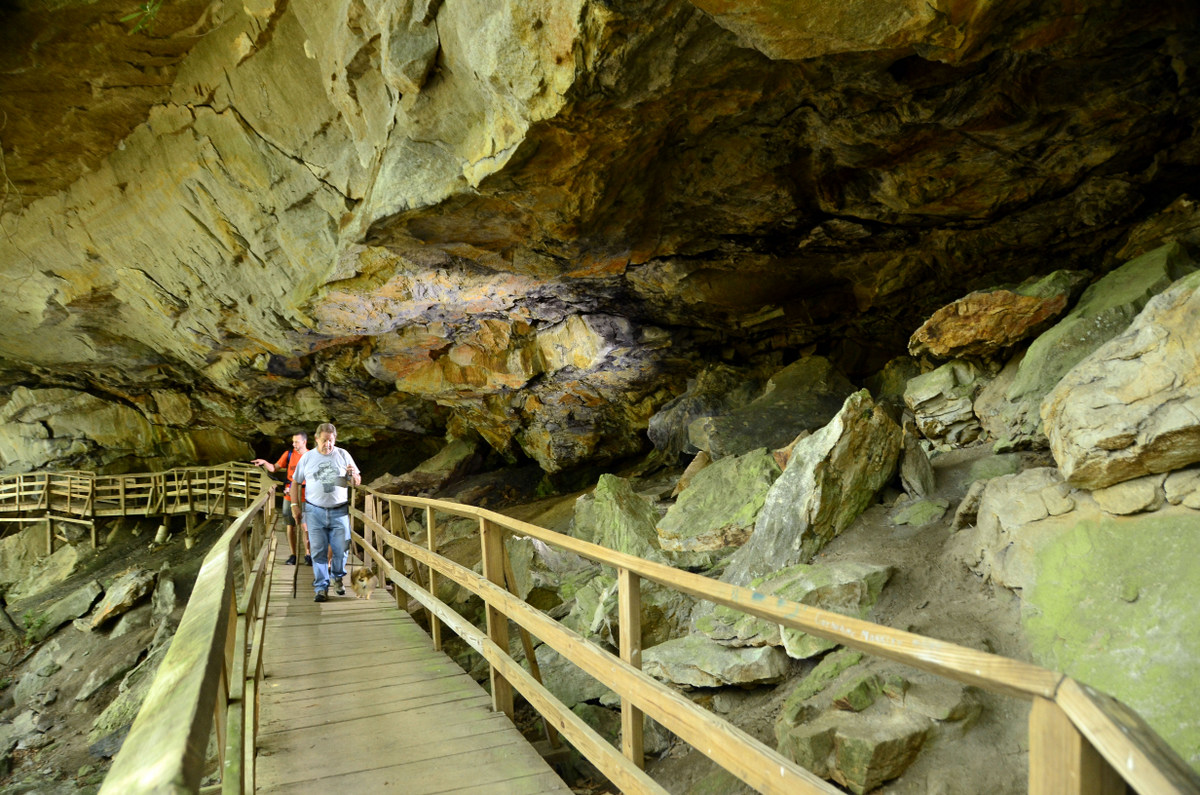
West Virginia state parks are often described as the hidden gems of the eastern United States. From historic lodges to waterfall-filled canyons, the state park system blends conservation, recreation, and Appalachian heritage in ways few states can match.
Here are 15 incredible facts about West Virginia State Parks that help explain why they continue to draw national attention and lifelong loyalty from visitors.
1. One of the nation’s oldest state park systems
West Virginia State Parks was established in 1925, placing it among the earliest organized state park systems in the country.
2. There are no entrance fees
Unlike many states, West Virginia State Parks are free to enter, making outdoor recreation accessible to everyone.
3. Built by the Civilian Conservation Corps
Many lodges, cabins, trails, and stone shelters were constructed in the 1930s by the CCC, and are still in daily use nearly a century later.
4. Nearly 150,000 acres protected
The system includes 48 state parks and nine state forests, preserving vast tracts of the Appalachian mountains, rivers, and forests.
5. Home to some of the East’s best waterfalls
Iconic sites like Blackwater Falls, along with dozens of lesser-known cascades, make the parks a magnet for photographers and hikers.
6. Full-service resort parks are rare nationwide
Several parks feature lodges with restaurants, conference facilities, golf courses, and spas, a level of service uncommon in most state systems.
7. Four seasons of recreation
You can ski in winter, raft in spring, hike in summer, and leaf-peep in fall—sometimes all in the same park.
8. Dark skies for stargazing
Parks such as Watoga State Park are known for their clear night skies, ideal for astronomy and astrophotography.
9. Rail trails preserve history
Popular trails like the Greenbrier River Trail and North Bend Rail Trail follow former railroad corridors, blending recreation with industrial heritage.
10. Wildlife thrives here
State parks help protect habitat for black bears, bald eagles, river otters, and migratory birds across the Appalachian region.
11. Affordable cabin vacations
West Virginia state park cabins are often more affordable than comparable private rentals, especially for families and more extended stays.
12. New Deal craftsmanship still stands
Hand-laid stonework, timber beams, and rustic architecture give many parks a distinctive historic character rarely replicated today.
13. Parks anchor local economies
Tourism tied to state parks supports jobs, small businesses, and outdoor outfitters in rural communities statewide.
14. Nationally recognized destinations
Parks like Canaan Valley Resort, Blackwater Falls, and Watoga frequently appear on national “best parks” and “best foliage” lists.
15. A defining part of West Virginia’s identity
Often called “West Virginia’s best idea,” the park system reflects the state’s commitment to conservation, public access, and outdoor heritage.
West Virginia State Parks are more than scenic places — they are economic engines, conservation strongholds, and cultural landmarks that continue to shape the Mountain State’s future.
Simply wanna admit that this is extremely helpful, Thanks for taking your time to write this.