
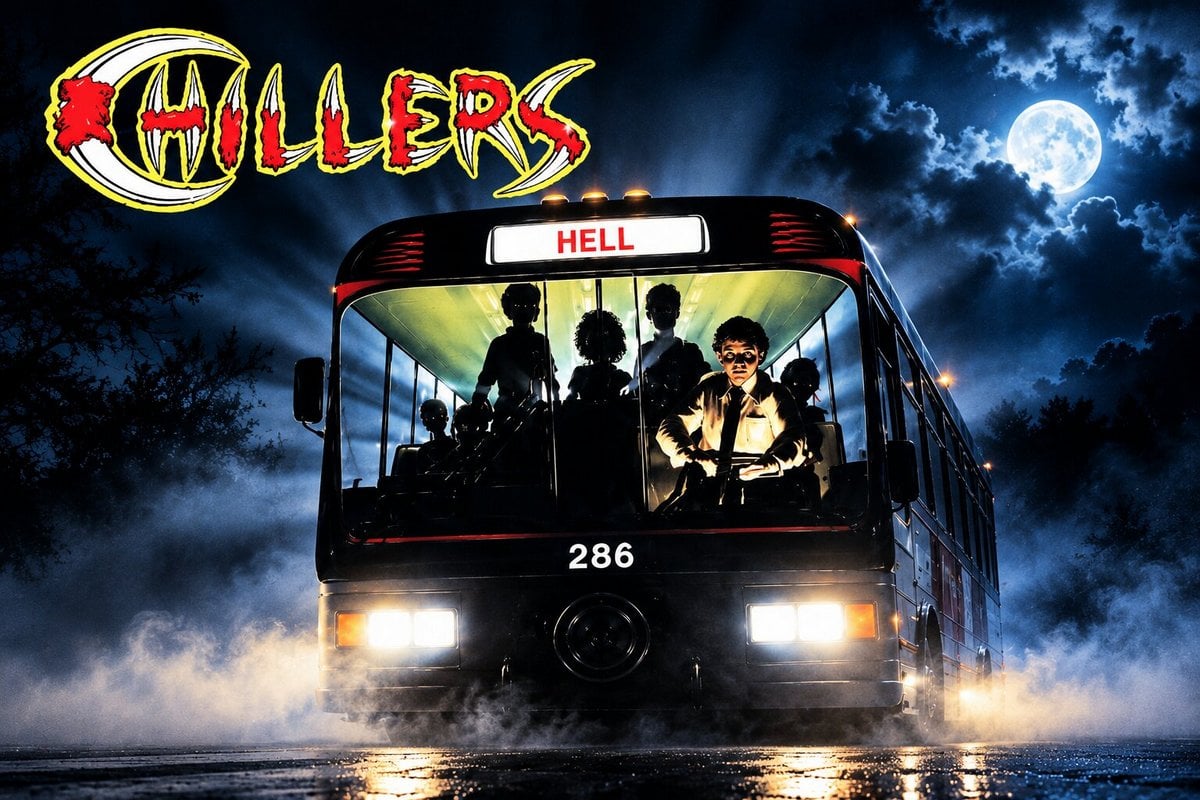
CHARLESTON, W.Va. — Nearly 40 years ago, a college professor gathered actors and filmmakers in West Virginia and made a strange little horror movie about five people waiting for an overdue bus.
Chillers, released in 1988, went far beyond West Virginia. The independently produced anthology horror film found international distribution and became the first feature in an unusual career that took filmmaker Danny Boyd from Appalachian movie sets to classrooms in Africa and even into a professional wrestling ring.
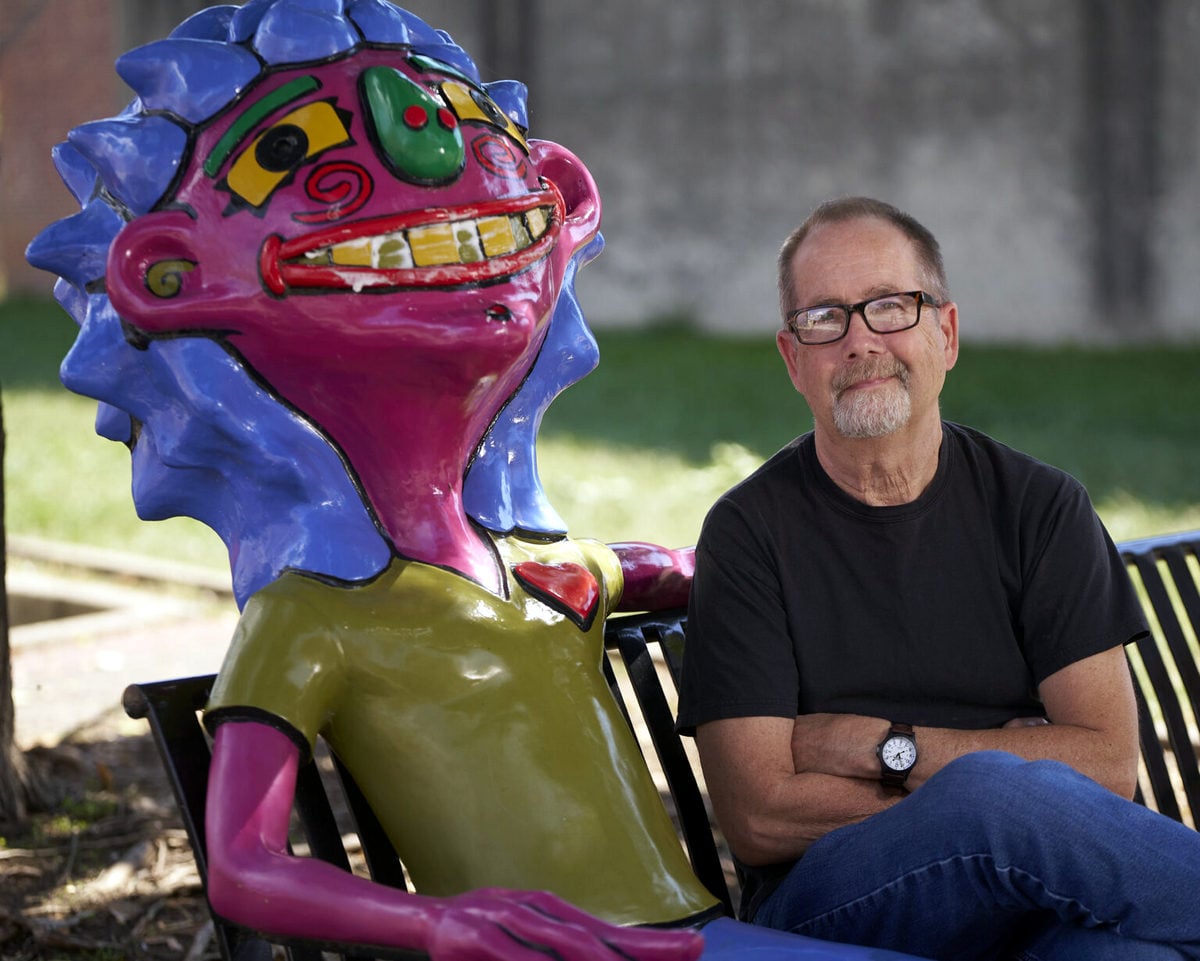
Now, months after Boyd’s death at age 69, his films are returning to theaters as filmmakers, former students and friends revisit what he accomplished far from the established centers of the film industry.
Four events planned this fall will celebrate Boyd and his work, including screenings of Chillers and Paradise Park.
“Danny lived and breathed creativity and made friends like a sunflower makes seeds,” said Dave Lavender, director of the West Virginia Film Office. “He proved over and over again that everything you need to make an entertaining film was right here in West Virginia.”
Making movies far from Hollywood
Boyd began as a documentary filmmaker before turning to features. In Chillers, five passengers stranded at a bus depot pass the time by telling frightening stories while waiting for a bus that never seems to arrive.
Shot in West Virginia and featuring local talent, the movie won a Silver Scroll from the Academy of Science Fiction, Fantasy and Horror Films and entered international video and television distribution.
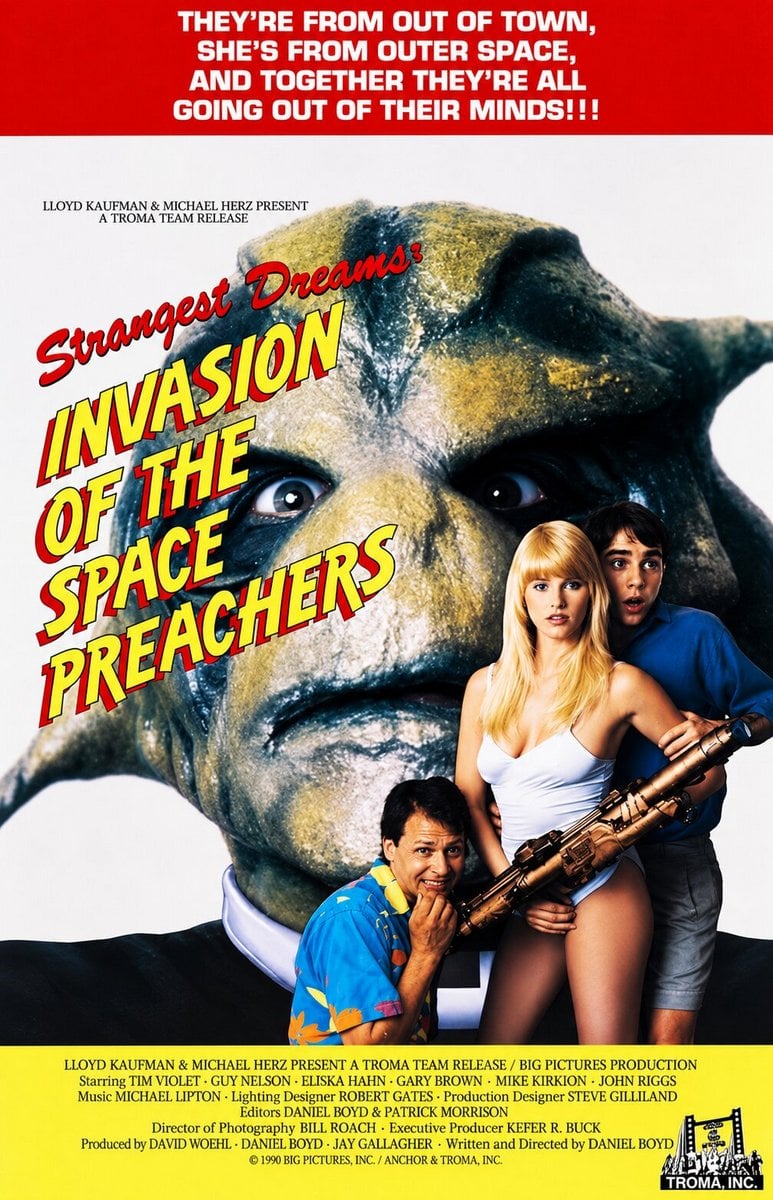
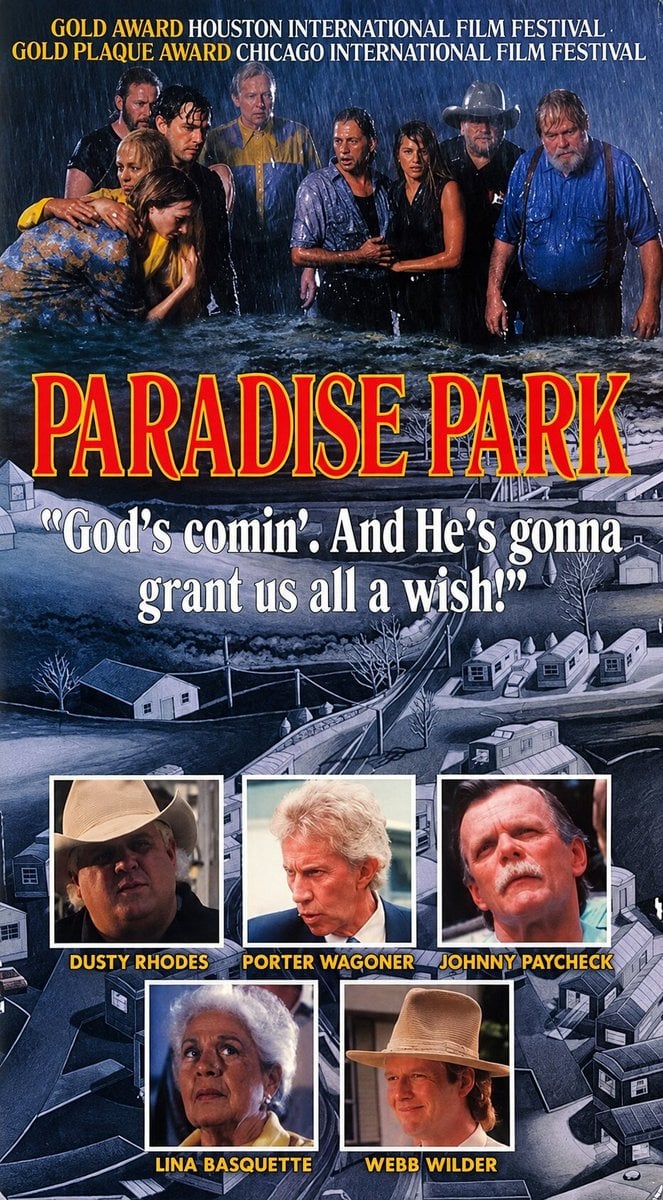
Boyd followed it with the science-fiction comedy Strangest Dreams: Invasion of the Space Preachers and Paradise Park, a fantasy-drama about people living in a West Virginia trailer park. Paradise Park won awards at film festivals in Houston and Chicago and was later presented at the Kennedy Center in Washington.
Rachel Allinder, director of the Foundry Theater in Huntington, said Chillers looks different when viewed nearly four decades later.
“This movie exists because somebody in West Virginia decided to make it happen,” Allinder said. “It’s not a Hollywood production pretending to be somewhere else. It’s a group of people here making something weird, ambitious and completely their own.”
That history has acquired new relevance as West Virginia again tries to develop a film industry. “Danny was doing this decades ago without the infrastructure we’re trying to build now,” Allinder said. “He was creating opportunities for West Virginia actors, artists, technicians and filmmakers and proving that you could make ambitious work here.”
His influence went beyond his own films
Boyd taught media studies for 33 years at West Virginia State University, where he frequently involved students in professional productions. In 1994, he established the Paradise Film Institute to support filmmaking through training, production assistance, and international exchanges.
As a three-time Fulbright scholar, he also taught filmmaking and screenwriting at the University of Dar es Salaam in Tanzania.
Ben Berry, director of the Mtn Craft Film Festival in Clarksburg, said Boyd’s willingness to teach and encourage other filmmakers became an important part of his legacy.
“He wasn’t as worried about promoting his work and himself as a filmmaker as he was about supporting the filmmaking community and teaching the next crop of filmmakers coming up,” Berry said.
The festival had already chosen Boyd as its 2026 Heritage Screening honoree before he died Feb. 5, Berry said.
The distinction matters. The retrospective was not conceived simply as a memorial after Boyd’s death. Festival organizers had already decided his work represented a part of Appalachian film history they wanted contemporary filmmakers to see.
“Sometimes we’re so focused on the future and who the next up-and-coming filmmaker is that we often forget to look back at those who came before us, and sort of paved the path for other filmmakers to be successful,” Berry said.
Then there was Professor Danger
Filmmaker, professor, and writer still don’t fully capture Boyd’s creative life. While researching an article in his late 40s, he pursued a childhood ambition and became a professional wrestler. Performing as Professor Danger, Boyd eventually worked more than 100 matches.
In 2005, he teamed with William Bitner, who wrestled as Death Falcon Zero, to form a duo called the Grapes of Wrath, Allinder said. Then they decided to make a movie.
Death Falcon Zero vs. Zombie Slug Lords was intended to become Boyd’s fourth feature, and the project took Boyd and Bitner as far as Tanzania and Prague. They never completed the film, but the idea survived. Boyd and Bitner turned it into the illustrated novel Death Falcon Zero vs. the Zombie Slug Lords, published in 2008.
Boyd later created graphic novels based on Chillers and wrote other books, while also working in musical theater. His Paradise Park eventually became a stage musical.

For Berry, that varied career reflects something younger filmmakers can learn from Boyd: he didn’t wait for ideal circumstances before making something.
“He wasn’t worried so much about the how but more about the why he was telling these stories and why he wanted to make these films,” Berry said. “Then he would go out and make them no matter what hurdles stood in his way.”
Boyd’s films return to the screen
The series of tributes begins with an outdoor VHS screening of Chillers in Ceredo organized by filmmaker Dylan Smith, who had befriended Boyd.
On Sunday, Oct. 4, the Mtn Craft Film Festival at the Robinson Grand Performing Arts Center in Clarksburg will devote its noon Heritage Screening to Boyd. The program includes interviews, Boyd’s short film Coal Dust Fair Dust, footage from the making of Paradise Park, and a screening of Paradise Park. His daughter, Danielle Boyd, will moderate a discussion with longtime collaborators Larry Groce and Steve Gilliland.
On Saturday, Oct. 24, the Foundry Theater in Huntington will screen Chillers at 7 p.m. Cast and production members are expected to attend and discuss how the film was made.
A final Chillers screening is scheduled for Nov. 1 at the West Virginia Music Hall of Fame in Charleston as part of its Glotfelty Film Series.
For Allinder, putting Chillers before an audience again is about more than preserving an unusual piece of regional film history. “People can appreciate the camp and the horror, but they can also see the ingenuity behind it,” she said.
Boyd spent decades demonstrating what could be made in a place without a large filmmaking industry. Allinder said his bigger accomplishment may have been convincing others they could do the same.
“He wasn’t just making films; he was helping create a community of people who believed they could make things.”
When I drove by West Washington Street in Charleston West Virginia always seen that purple man and I love him and it in spired me that it was part of West Virginia’s filming