
MOUNDSVILLE, W.Va. — Before 1966, a traveler making the 35-mile journey between Steubenville, Ohio, and Moundsville, West Virginia, could encounter seven time changes.

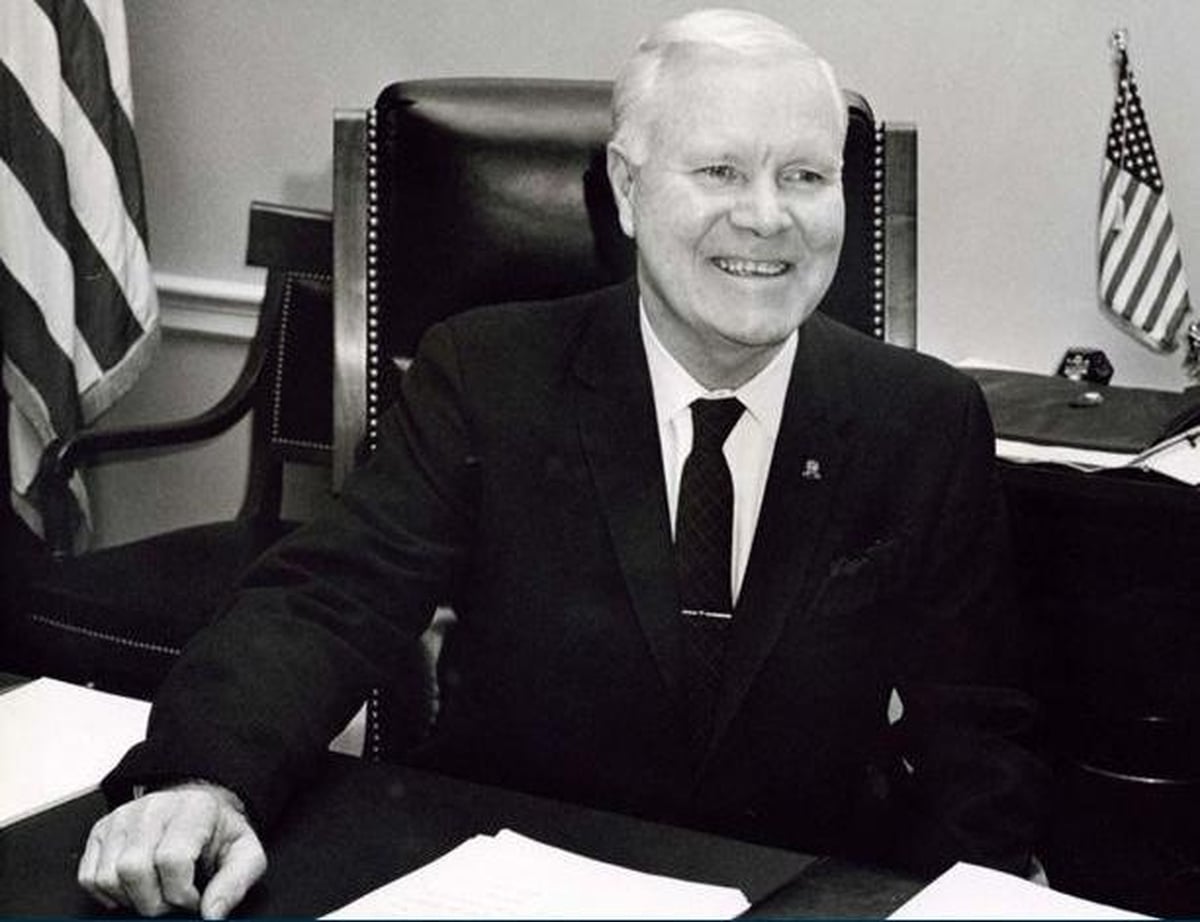
Some communities observed daylight saving time while others remained on standard time, creating a patchwork of conflicting schedules. The confusion became an example cited in Congress by U.S. Rep. Harley O. Staggers of West Virginia, who helped establish the federal rules governing daylight saving time.
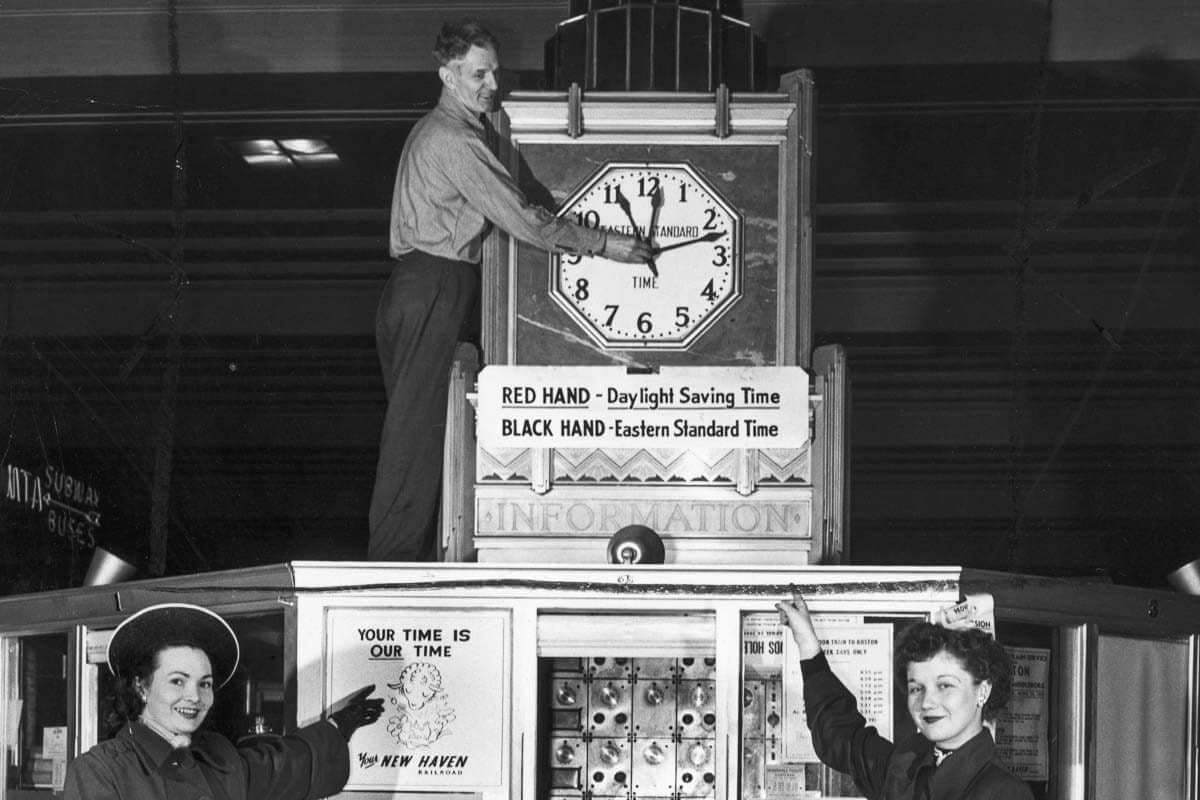
The problem was especially apparent along the Ohio River, where communities separated by short distances could follow different clocks. A 1963 Time magazine article, “A Chaos of Clocks,” described the difficulties created by inconsistent local practices.
Three years later, Congress passed the Uniform Time Act of 1966, establishing national dates for communities that observed daylight saving time.
When towns could choose their own time
American railroads had adopted standardized time zones in 1883, replacing a system in which communities commonly set their clocks according to local solar time. Daylight saving time, however, developed under different rules.
Congress introduced nationwide daylight saving time during World War I but repealed the federal requirement in 1919. Another nationwide measure took effect during World War II and expired in 1945.
After the war, states and municipalities resumed making their own decisions about whether and when to advance their clocks.
By 1965, according to the historical office of the U.S. House of Representatives, 15 states observed daylight saving time statewide, 19 did not, and 16 allowed local governments to decide.
Communities that adopted daylight saving time also disagreed about when it should begin and end. Across the country, clocks changed on 11 different dates during the year.
The conflicting schedules created difficulties for interstate transportation and broadcasting. Railroads estimated that revising their timetables cost $500,000 annually, while radio and television networks reported substantial expenses associated with maintaining different schedules.
The 2007 newsletter of the West Virginia Legislature recalled the bus journey from Steubenville to Moundsville, describing a route on which travelers faced seven changes in local clock time because of differing daylight saving laws.
A West Virginia congressman takes action
U.S. Rep. Harley O. Staggers Sr., a Democrat from Keyser, had represented West Virginia in Congress since 1949. In 1965, he introduced H.R. 6785, legislation intended to establish consistent national dates for daylight saving time.
Staggers became chairman of the House Committee on Interstate and Foreign Commerce in 1966, placing him in a position to guide the measure through the House. The committee oversaw legislation affecting transportation, communications, and interstate business.
During congressional debate, Staggers cited the Ohio River journey as an example of the problem. He explained that a traveler could cover 35 miles between Steubenville and Moundsville and pass through seven changes in local time.
The legislation required communities observing daylight saving time to begin and end it on the same dates. States would retain the authority to exempt themselves from the practice.
Some members of Congress opposed the measure, arguing that states and localities should keep timekeeping decisions under their control. Supporters maintained that conflicting rules interfered with interstate commerce and imposed unnecessary costs on businesses.
The House approved the legislation by a vote of 292 to 93.
On March 30, 1966, Staggers presented the conference report to the House. According to the Congressional Record, he explained that the measure would establish uniform dates and allow states to remain on standard time if they chose to do so statewide.
President Lyndon B. Johnson signed the Uniform Time Act into law on April 13, 1966.
The original law established the last Sunday in April and the last Sunday in October as the dates for beginning and ending daylight saving time.
The Robert C. Byrd Center for Congressional History and Education at Shepherd University has documented Staggers’ role in the legislation, which became an early achievement of his committee leadership.
West Virginia continued changing its laws
West Virginia established statewide daylight saving provisions in 1963, but its laws still required attention after Congress adopted the federal standard.
According to the Legislature’s 2007 historical account, West Virginia required an annual proclamation from the governor concerning daylight saving time until 1978.
That year, lawmakers passed Senate Bill 36, eliminating the annual proclamation requirement and establishing a continuing statewide rule.
Congress subsequently changed the national daylight saving schedule several times, extending the period during which clocks remained advanced.
In 2005, federal legislation established the present schedule, beginning daylight saving time on the second Sunday in March and ending it on the first Sunday in November. The change took effect in 2007.
West Virginia updated its own statute in 2016 to reflect those dates. Senate Bill 261 replaced the older April and October dates in state law with the March and November schedule.
Today, West Virginia Code §5-1-25 establishes daylight saving time as the statewide official time during the federally prescribed period. The law expressly applies to public schools, institutions of higher education, state agencies, and local governments.
Why the clocks still change
The Uniform Time Act established national consistency but did not end disagreements over the practice itself.

Congress temporarily extended daylight saving time during the 1970s energy crisis and later revised the schedule. Lawmakers have continued debating whether the country should change its clocks twice a year.
Under current federal law, states may choose to stay on standard time year-round, but they cannot independently adopt permanent daylight saving time. Hawaii and most of Arizona do not observe the seasonal changes.
The U.S. Department of Transportation oversees national time-zone boundaries and compliance with federal daylight saving requirements.
For West Virginians, the next change comes Sunday, November 1, 2026, when clocks move backward one hour at 2 a.m.
The change will take place statewide, including in Ohio River communities whose conflicting schedules helped persuade Congress to establish a national standard 60 years ago.