
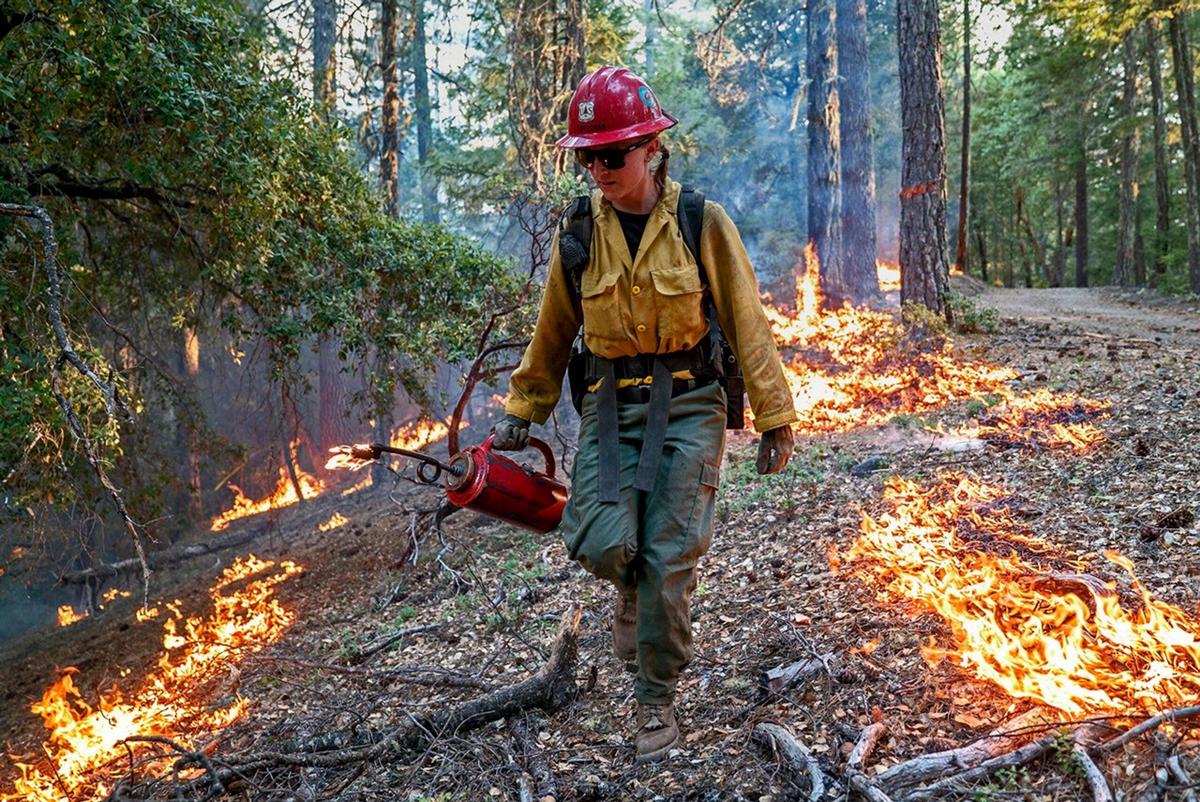
ELKINS, W.Va. — Federal forest managers plan to deliberately burn 726 acres of West Virginia’s mountain forests this fall, using controlled fires to improve wildlife habitat, restore natural ecological processes, and reduce the risk of destructive wildfires.

The U.S. Forest Service announced Friday that it plans prescribed burns in the Monongahela National Forest in the Allegheny Mountains in Tucker and Pocahontas counties between mid-October and mid-November, weather permitting.
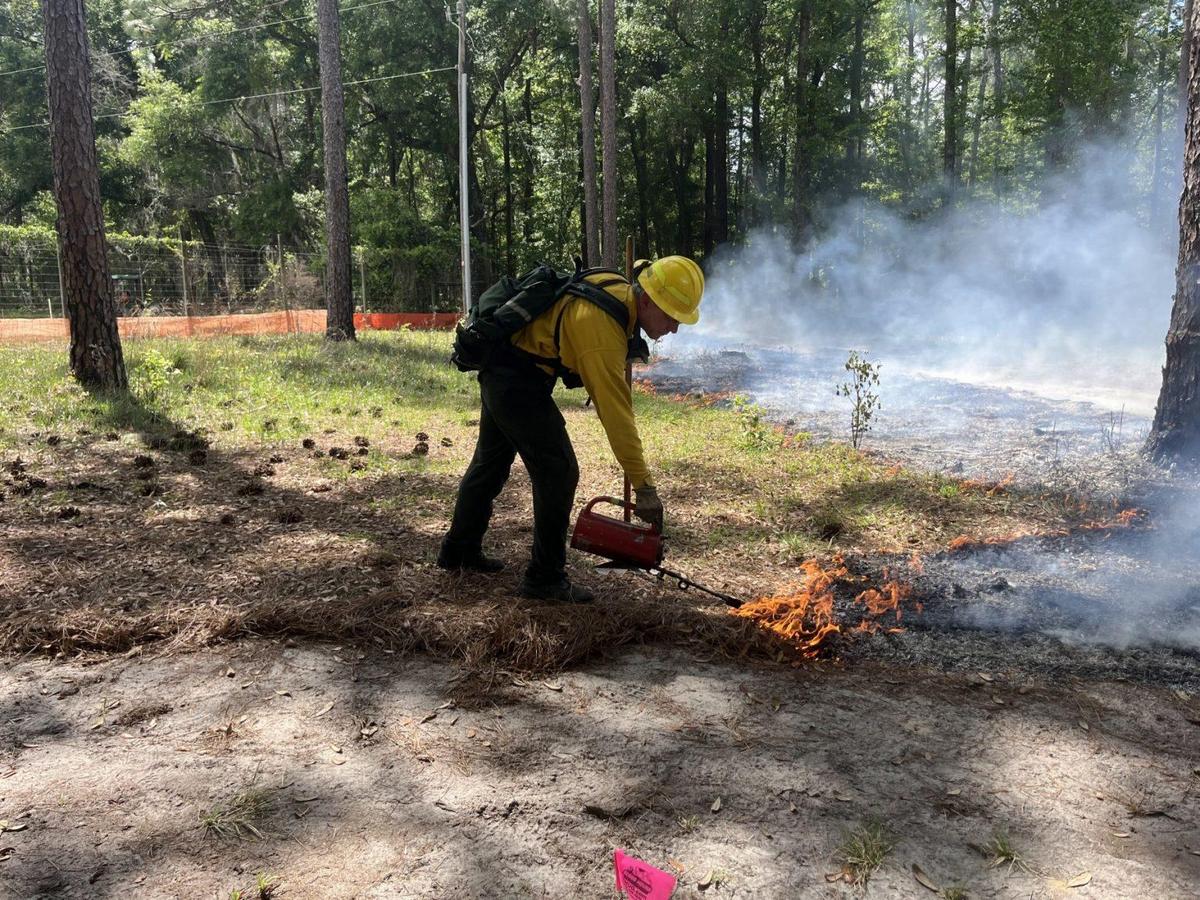
Although deliberately setting forests on fire may seem contrary to conservation, decades of scientific research have shown that carefully managed fires can benefit woodland ecosystems, particularly those historically shaped by periodic burning.
According to forest service spokesperson Andrea Brandon, the treatments aim to improve forest health, enhance wildlife habitat, and reduce hazardous fuels that could contribute to more severe wildfires.
The planned burns include three locations:
| Project area | County | Acres |
|---|---|---|
| Nursery Bottom | Tucker | 52 |
| Upper John B. Hollow | Tucker | 210 |
| Upper Greenbrier North | Pocahontas | 464 |
| Total | 726 |
Each burn area will be closed to the public on the day of the operation and may remain closed for several days afterward. Signs will be posted along nearby roads.
Residents and visitors may see or smell smoke for several days. Motorists encountering smoke should reduce their speed, turn on their headlights, and adjust their driving to visibility conditions.
The forest service conducts prescribed burns only when temperature, humidity, wind, and smoke-dispersion conditions meet established requirements. Operations will be postponed if conditions fall outside those limits.

Why fire can benefit Appalachian forests
For much of the 20th century, forest management in the eastern United States emphasized extinguishing wildfires as quickly as possible. Although suppression protected communities and valuable timber, excluding fire also altered ecosystems that had developed under recurring burns.
Many oak and hickory species are comparatively well adapted to surviving low-intensity surface fires. Some competing trees, including red maple and American beech, can become more dominant without fire.
The resulting changes can make it harder for young oaks to establish themselves.
Read also: Why prescribed fire benefits oak forests
That matters to wildlife. Acorns provide an important food source for white-tailed deer, wild turkeys, black bears, squirrels, and other animals. Prescribed fires can also encourage grasses, wildflowers, and low-growing vegetation that provide additional food and cover.
The benefits depend on the forest type, timing, intensity, and frequency of burning. Fire is not appropriate for every woodland, and repeated or poorly timed burns can damage some habitats.
What 20 years of research revealed
Long-term research by the U.S. Forest Service has demonstrated how prescribed burning can influence the future composition of eastern hardwood forests.
In a study examining two decades of prescribed fire and related forest treatments, researchers found that repeated burns could reduce competition from certain shade-tolerant trees and improve conditions for oak and hickory regeneration.
The treatments also increased native plant diversity under some conditions, allowing vegetation that benefits from additional sunlight to become more established.
The findings suggest that prescribed burning can accomplish more than reducing combustible material. It can help determine which trees and plants dominate a forest decades later.
However, researchers have also documented variations in results according to terrain and forest conditions. Burning does not uniformly reduce every category of wildfire fuel, and some management objectives require repeated treatments or additional forestry practices.
Fire has a long history in Appalachia
Fire influenced eastern North American landscapes long before modern forest management began.
Indigenous peoples used controlled burning to manage vegetation, improve hunting conditions, maintain useful plants, and facilitate travel. Lightning also ignited fires, although the frequency and ecological importance of burning varied considerably among landscapes.
European settlement introduced new patterns of land clearing, agriculture, logging, and burning. During the 20th century, organized wildfire suppression further changed fire’s role in eastern forests.
Scientists have identified a process called mesophication, in which some formerly more open oak-dominated woodlands gradually become shadier, cooler, and moister as shade-tolerant vegetation increases.
Those conditions can favor species that compete with oak seedlings, reinforcing a gradual shift in forest composition.
Prescribed fire is one tool land managers can use to maintain or restore fire-adapted woodland ecosystems.
What happens after the burns?
The immediate effects of prescribed burning can be striking. Leaves and fallen branches are consumed, portions of the forest floor become blackened, and some understory vegetation is killed or damaged.
Over time, however, surviving plants may resprout, dormant seeds may germinate, and additional sunlight can encourage new growth.
The response depends on local conditions, and not every burn produces the same results. Forest managers must also account for smoke exposure, potential damage to desirable vegetation, and the possibility of fire escaping its intended boundaries.
The three planned Monongahela treatments are intended to advance longer-term management goals, but their ecological results will depend on how the sites respond.
For visitors, the most immediate considerations are temporary closures and smoke. For wildlife and the forest itself, the effects may extend for years.
More information about prescribed burning and forest conditions is available through the Monongahela National Forest and its official Facebook page.