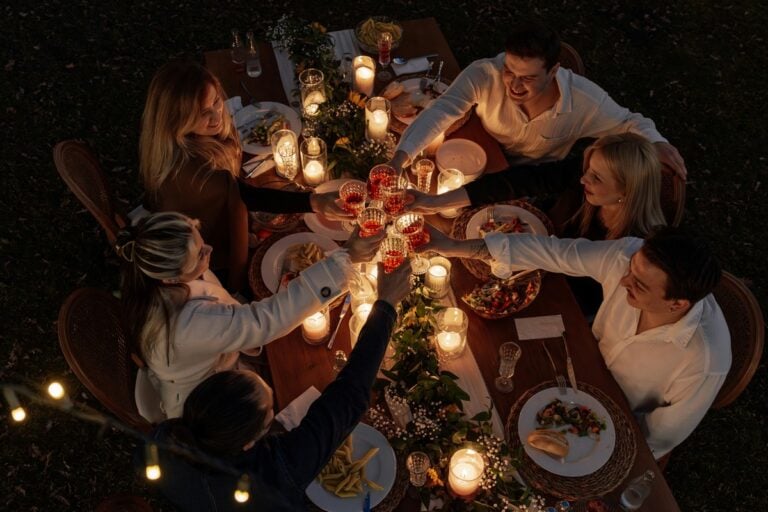
MORGANTOWN, W.Va. — In some Italian-American households in northern West Virginia, as in neighboring western Pennsylvania, Thanksgiving dinner begins with wedding soup and a pasta course. The turkey waits its turn.
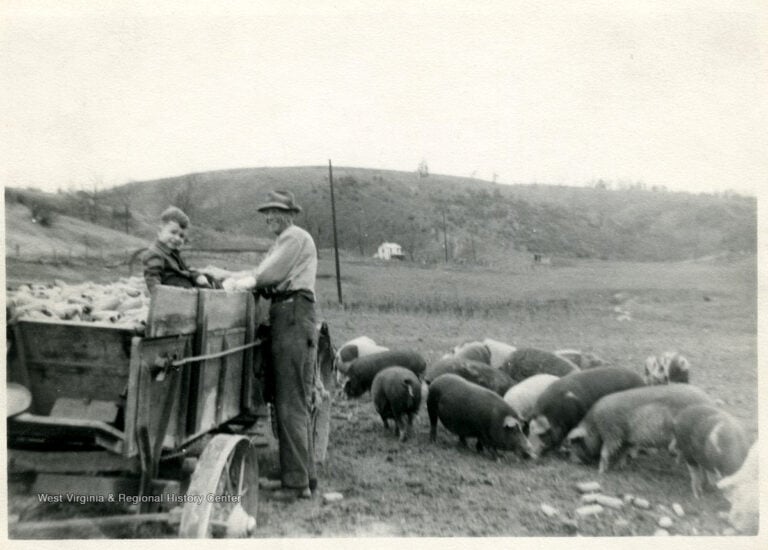
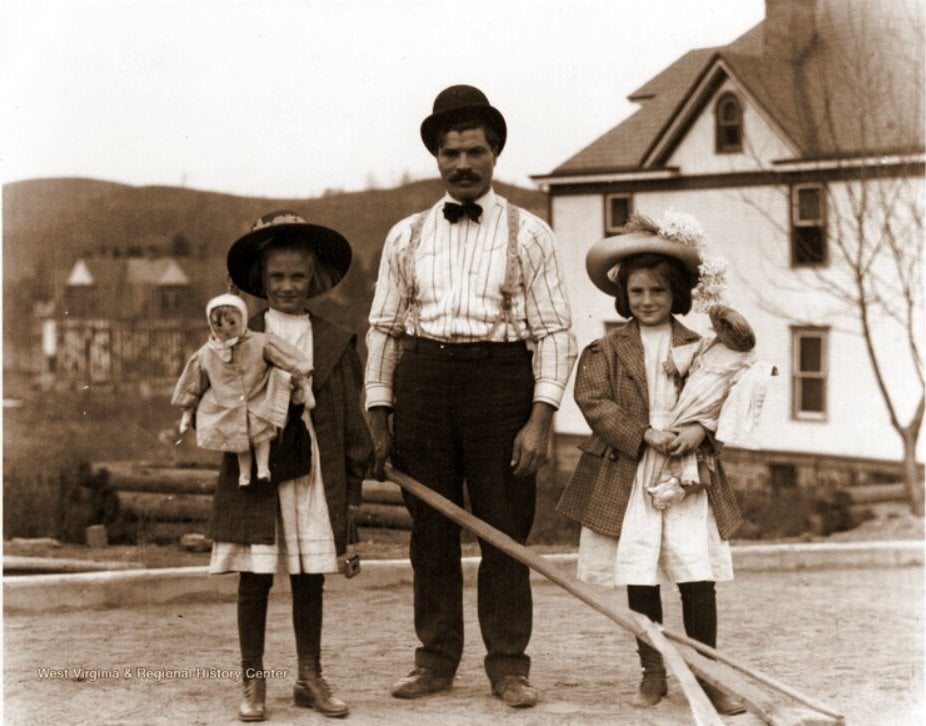
The tradition reflects a chapter of Appalachian history in which immigrants from Italy and elsewhere in Europe arrived by the thousands to work in the coal mines, factories, and rail yards of the Ohio and Monongahela valleys.
From the steelmaking communities of Weirton and Follansbee in West Virginia’s northern panhandle to the historic coal and industrial centers of Fairmont and Clarksburg in the Monongahela Valley, generations of Italian-American families have preserved culinary traditions with roots in their ancestral homeland.
“My family isn’t Italian, but I have Italian friends, and I’ve heard about these tables for years,” said chef Matt Welsch, executive chef for West Virginia State Parks and owner of the Vagabond Kitchen in Wheeling. “The soup and the pasta come first, and the turkey waits its turn.”
Italian immigration helped shape Appalachia
Though frequently associated with the descendants of early British and Scots-Irish settlers, Appalachia became increasingly diverse as its industrial economy expanded in the late 19th and early 20th centuries.
According to historian Merle Moore, Italians constituted the largest immigrant ethnic group to arrive in West Virginia during this period of industrialization.
Many came from southern Italy, bringing culinary traditions that emphasized bread, pasta, vegetables, and meats. In northern West Virginia, they established bakeries, restaurants, businesses, and social organizations that became gathering places for their communities.
That heritage remains particularly evident in Clarksburg, where the West Virginia Italian Heritage Festival has celebrated the contributions of Italian immigrants and their descendants since 1979. Held over Labor Day weekend, the festival features Italian cooking, music, and traditional sports such as bocce.
Wheeling, on the Ohio River, also celebrates its Italian heritage with an annual summer festival.
Why Italian wedding soup is called wedding soup
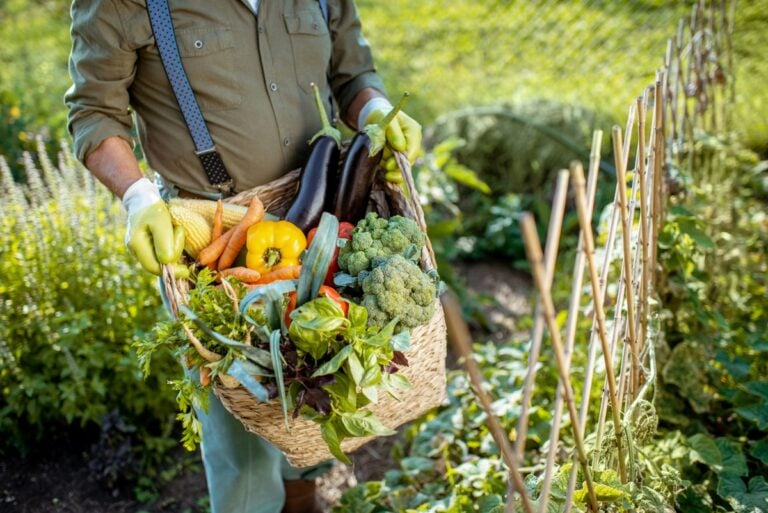
Among the dishes that have endured in Italian-American kitchens is wedding soup, a broth-based dish of leafy greens and meat. American versions frequently include small meatballs and pasta, though recipes vary considerably.
The soup takes its name not from the occasion on which it is served but from the Italian minestra maritata, meaning “married soup,” a reference to the pairing of meat and greens.
“Wedding soup has nothing to do with weddings,” Welsch said. “The name means married soup: greens and meat. That’s a good description of this whole region. Things that came from different places got married here.”
The dish has roots in southern Italian cooking, notably in Campania, the region surrounding Naples. Traditional Italian preparations may incorporate cabbage, escarole, and broccoli rabe with cuts of beef and pork rather than the small meatballs familiar to American diners.
Wedding soup remains a familiar offering at Italian-American restaurants in Pittsburgh and elsewhere in the industrial Northeast, where generations of Italian immigrants adapted recipes to locally available ingredients.
From Italian kitchens to West Virginia coal mines
Though wedding soup is familiar to diners across much of the United States, another product of Italian-American cooking is more distinctly associated with West Virginia.

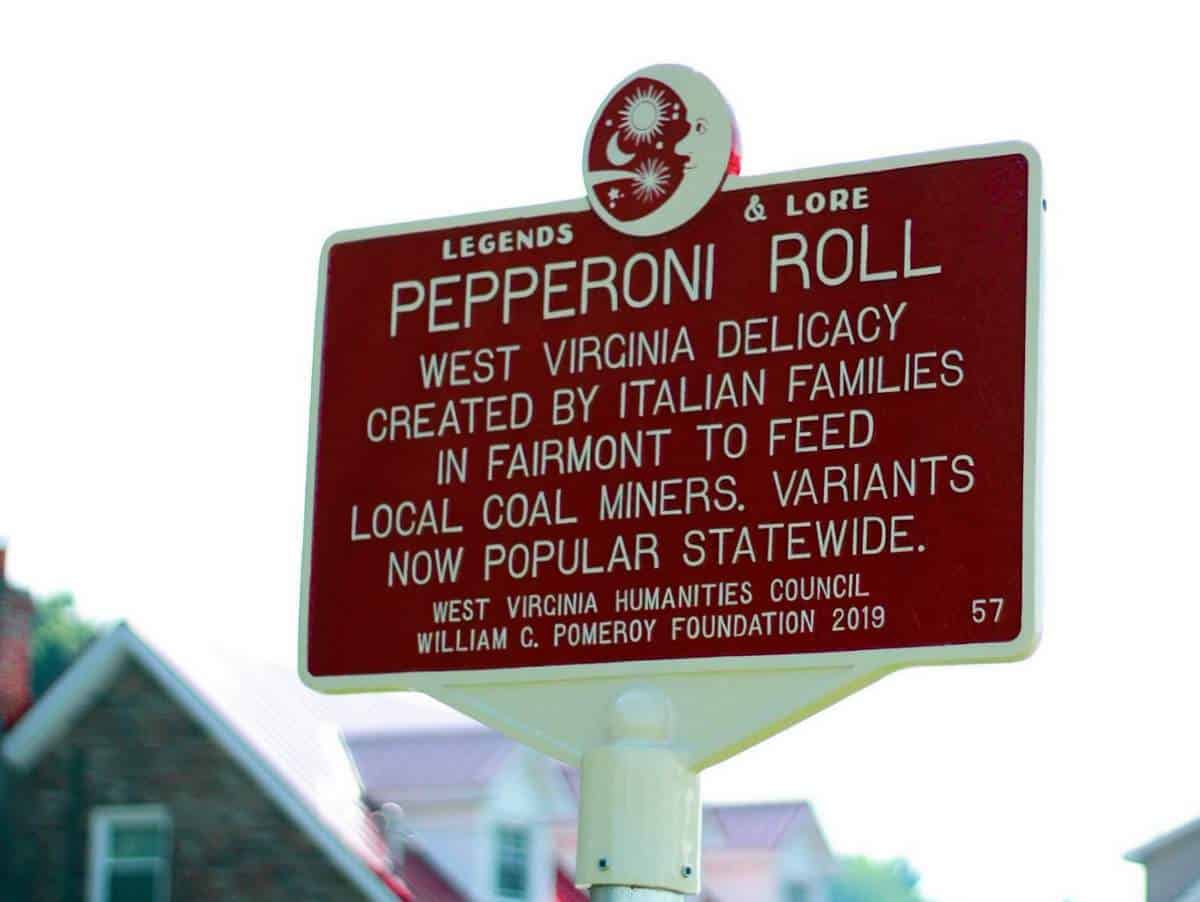
The pepperoni roll, a soft bread roll baked with pepperoni inside, was commercialized in Fairmont during the early 20th century.
Giuseppe “Joseph” Argiro, an Italian immigrant and former coal miner who founded Fairmont’s Country Club Bakery, is generally credited with introducing the roll commercially.
According to Rachelle Bott Beckner, Argiro drew inspiration from miners who carried bread and pepperoni to work. Combining the two produced a portable meal that could be eaten by hand underground.
Other northern West Virginia bakers developed variations, and pepperoni rolls now come in a variety of cheeses, peppers, and sauces. Though particularly popular in communities with large Italian-American populations, the rolls eventually spread throughout the state.
A historical marker erected in Fairmont in 2019 commemorates the pepperoni roll’s origins and its association with the region’s Italian immigrants.
An Appalachian culinary heritage beyond state lines
Italian cooking represents only one component of the culinary diversity that developed in northern Appalachia during its industrial expansion.
In the valleys of the Ohio and Monongahela rivers, families of central and eastern European descent have preserved the tradition of making pierogies, while Lebanese-American culinary traditions bring dishes such as spiced rice, stuffed grape leaves, and kibbee to Appalachian holiday tables.
For descendants of immigrant families who have moved away from Appalachia, these foods can evoke memories not only of their ancestral homelands but also of the communities in which their families settled. Welsch sees that connection in the pepperoni roll’s enduring appeal.
“The pepperoni roll started as a coal miner’s lunch,” Welsch said. “Now it’s what West Virginians crave when they leave home. Immigrant food becomes home food once enough people miss it.”
This is the third installment in a West Virginia Explorer series examining the immigrant culinary traditions that have helped shape Thanksgiving in northern West Virginia.