
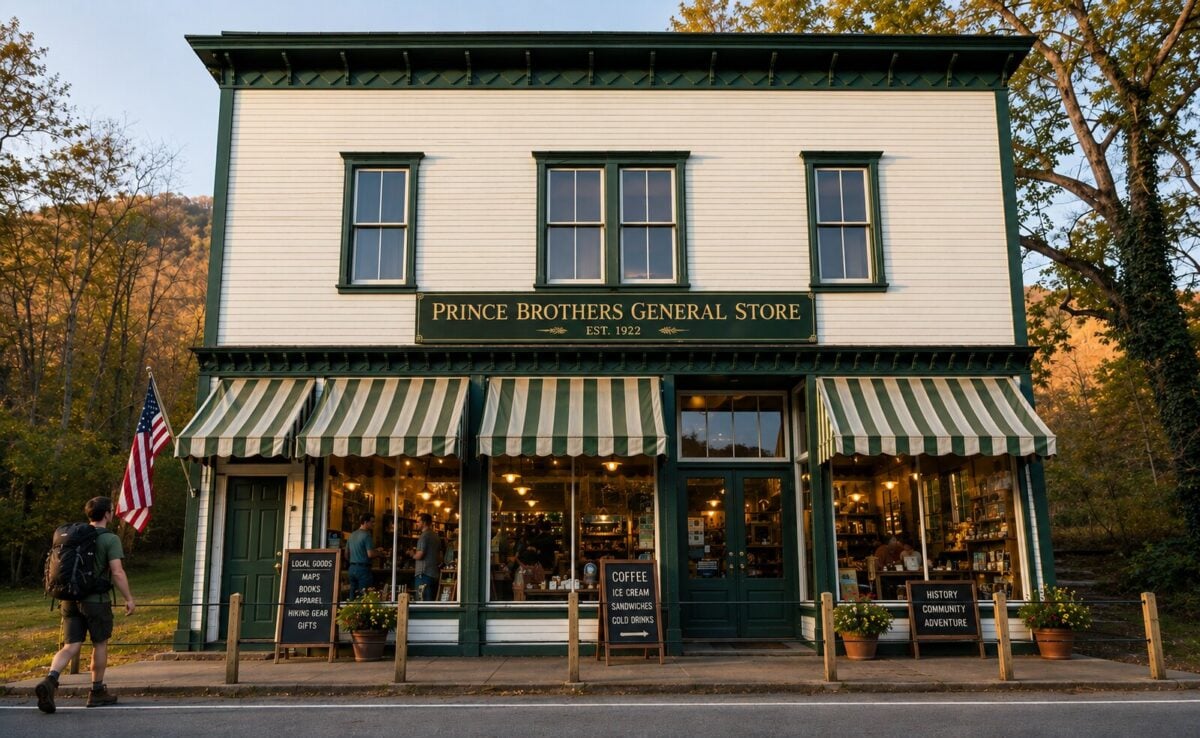
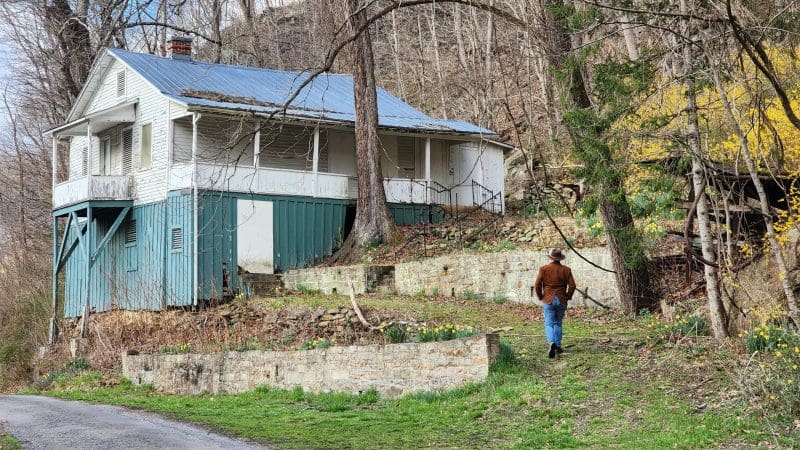
THURMOND, W.Va. — As the National Park Service moves forward with plans to demolish more than a dozen deteriorating historic buildings in the New River Gorge National Park and Preserve, a new proposal argues that Washington and West Virginia need not choose between preserving unsafe structures and tearing them down.
Instead, advocates say the park could become the proving ground for a new national model—one that transforms historic buildings into engines of tourism, outdoor recreation, education, and economic development while reducing the long-term financial burden on the federal government.

The proposal, developed by public administration scholar Jennings Berry, Ph.D., president of the New River Gorge Historical Society, envisions a regional partnership that would restore historic buildings through adaptive reuse rather than relying solely on National Park Service funding.
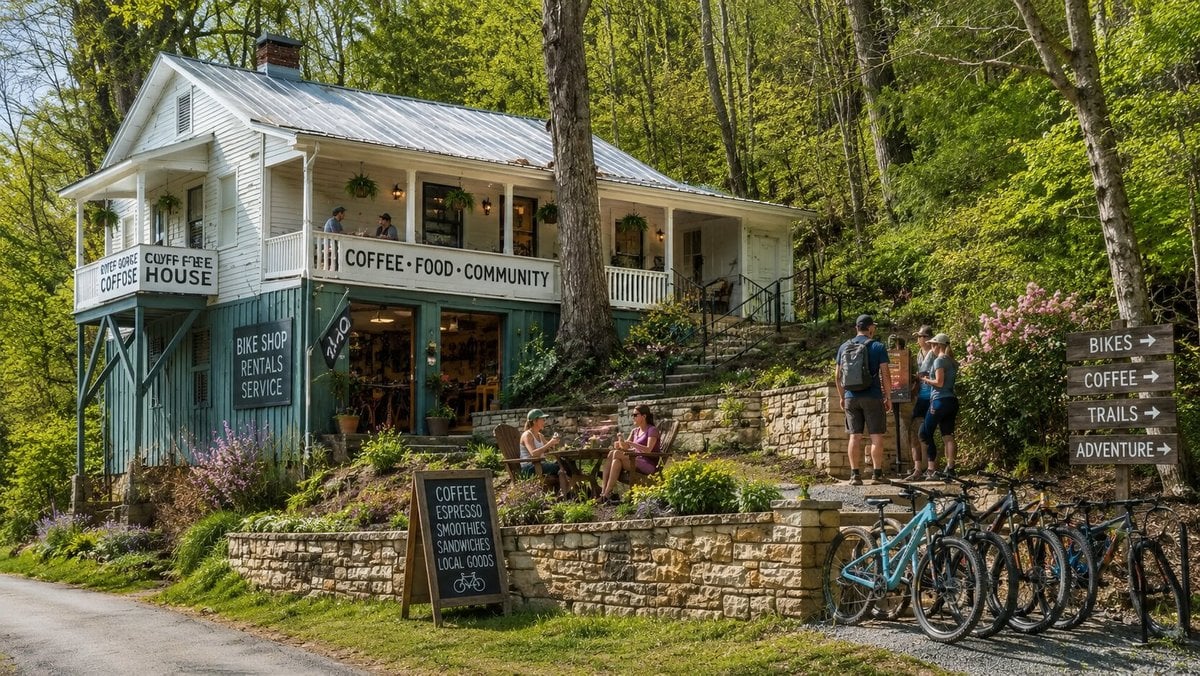
Under the concept, vacant structures throughout the New River Gorge could become museums, artist studios, outdoor recreation centers, educational facilities, maker spaces, cafés, outfitters, and visitor services connected through a proposed New River Gorge Artisan Corridor.
“The discussion should not be framed as preservation versus demolition,” Berry said. “These buildings can once again become productive assets that strengthen communities while preserving the cultural landscape that makes the New River Gorge unlike any other national park.”
A problem extending far beyond West Virginia
Supporters acknowledge that the National Park Service faces legitimate financial challenges.
According to an individual familiar with National Park Service operations who requested anonymity because they were not authorized to discuss agency policy publicly, the pressures driving demolitions in the New River Gorge reflect broader challenges across the national park system.
Congress has continued expanding the National Park System while operational funding has struggled to keep pace. Much of the agency’s recent infrastructure funding has been directed toward roads, bridges, utilities, and visitor facilities rather than cultural resources.

Changes to employee housing policies, management turnover, and limited staffing devoted to leasing historic properties have further reduced opportunities to place vacant buildings back into productive use.
Those realities, preservation advocates say, explain why demolition has increasingly become the preferred solution even for structures listed on the National Register of Historic Places.
Historic preservation as economic development
Berry believes the solution is not simply to ask Congress for additional appropriations.
Instead, he proposes building partnerships among nonprofit organizations, universities, preservation groups, local governments, tourism organizations, businesses, and volunteers to share responsibility for restoring historic structures.
Such a coalition could pursue grants, philanthropic support, private investment, educational programming, and volunteer labor while reducing the maintenance burden carried by the National Park Service.
Viewed this way, preservation becomes less an expense than an investment capable of generating tourism, jobs, small businesses, and new educational opportunities throughout southern West Virginia.
Building America’s premier outdoor heritage destination
Perhaps the proposal’s most ambitious idea is to reposition Thurmond as the cultural and commercial hub of outdoor recreation in the New River Gorge.

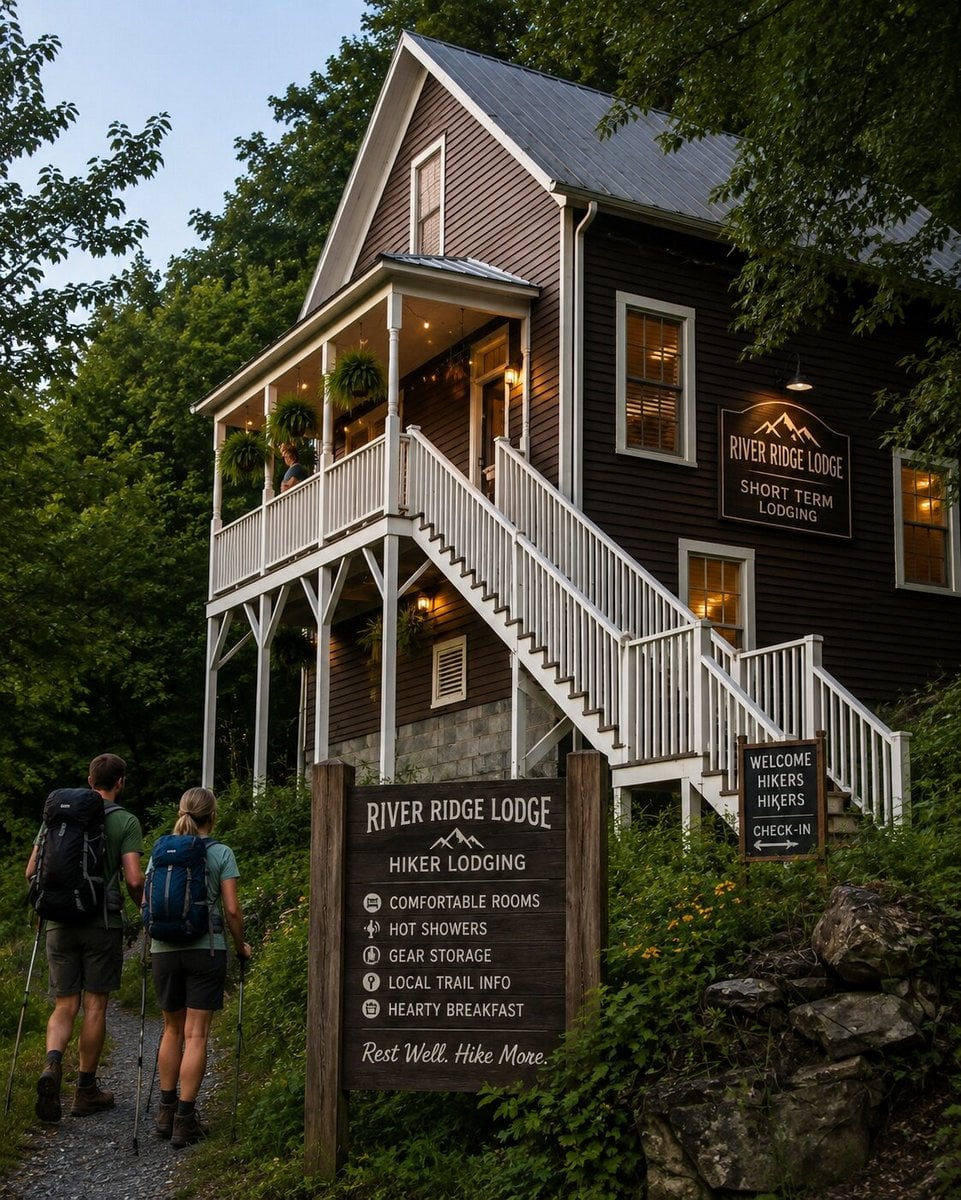
Rather than functioning primarily as a preserved railroad town, Berry envisions its historic buildings housing bicycle outfitters, rafting and climbing guides, hiking services, gear rental businesses, interpretive museums, cafés, lodging, and outdoor education programs that encourage visitors to begin and end their adventures there.
As West Virginia increasingly emphasizes trails, public lands, river recreation, and outdoor tourism as pillars of its economy, Berry argues that Thurmond is uniquely positioned to unite those investments with the region’s extraordinary industrial and railroad heritage.
Instead of separating recreation from history, the proposal blends them into a single visitor experience.
A family arriving to ride mountain bike trails, paddle the New River, climb sandstone cliffs, or hike the Gorge could also explore museums, attend cultural events, shop at locally owned businesses, and spend additional nights in surrounding communities.
Supporters believe that combination would distinguish the New River Gorge from competing outdoor destinations across the eastern United States by offering visitors experiences rooted in Appalachian history as well as world-class adventure.
One corridor; many communities
The broader New River artisan corridor would link communities from Hinton to Montgomery, with each town developing a distinct identity while contributing to a unified regional destination.
Rather than concentrating visitors in a single destination, the corridor would encourage travelers to explore multiple communities, extending overnight stays and spreading tourism spending across the region.
Read More: Filmmaker says here’s why everyone should visit this West Virginia ghost town
A model Washington could replicate
Although inspired by the New River Gorge, Berry says the proposal was designed with a broader purpose in mind.
National parks across the United States manage hundreds of historic structures that no longer serve operational purposes but remain culturally significant. If adaptive reuse partnerships prove successful in southern West Virginia, supporters believe similar collaborations could eventually help preserve historic resources in parks nationwide while reducing long-term federal maintenance costs.
Rather than relying exclusively on public funding, the model would leverage universities, nonprofits, local governments, philanthropy, volunteers, educational institutions, tourism organizations, and private investment.
Berry argues that the result would be shared responsibility for preservation, rather than expecting the National Park Service to solve every challenge alone.
Beginning with one success
Recognizing that restoring dozens of buildings at once would be unrealistic, Berry recommends starting with a pilot project in Thurmond or another historic community.
Demonstrating successful adaptive reuse in one location, he argues, would provide a practical model that can be replicated throughout the Gorge and, potentially, beyond the Gorge in the national park system.
More than preserving buildings
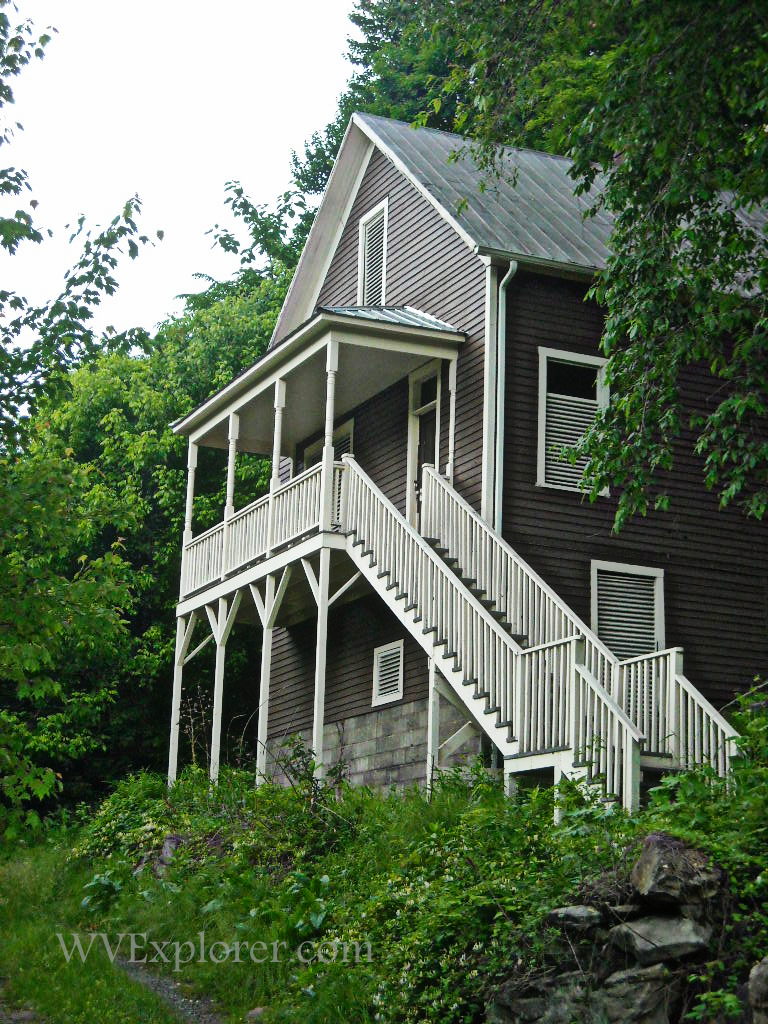
The National Park Service has identified thirteen historic structures for demolition while retaining several others for their greater potential for reuse or leasing. Officials say the project aims to improve visitor safety and reduce maintenance demands, with funding from the Great American Outdoors Act.
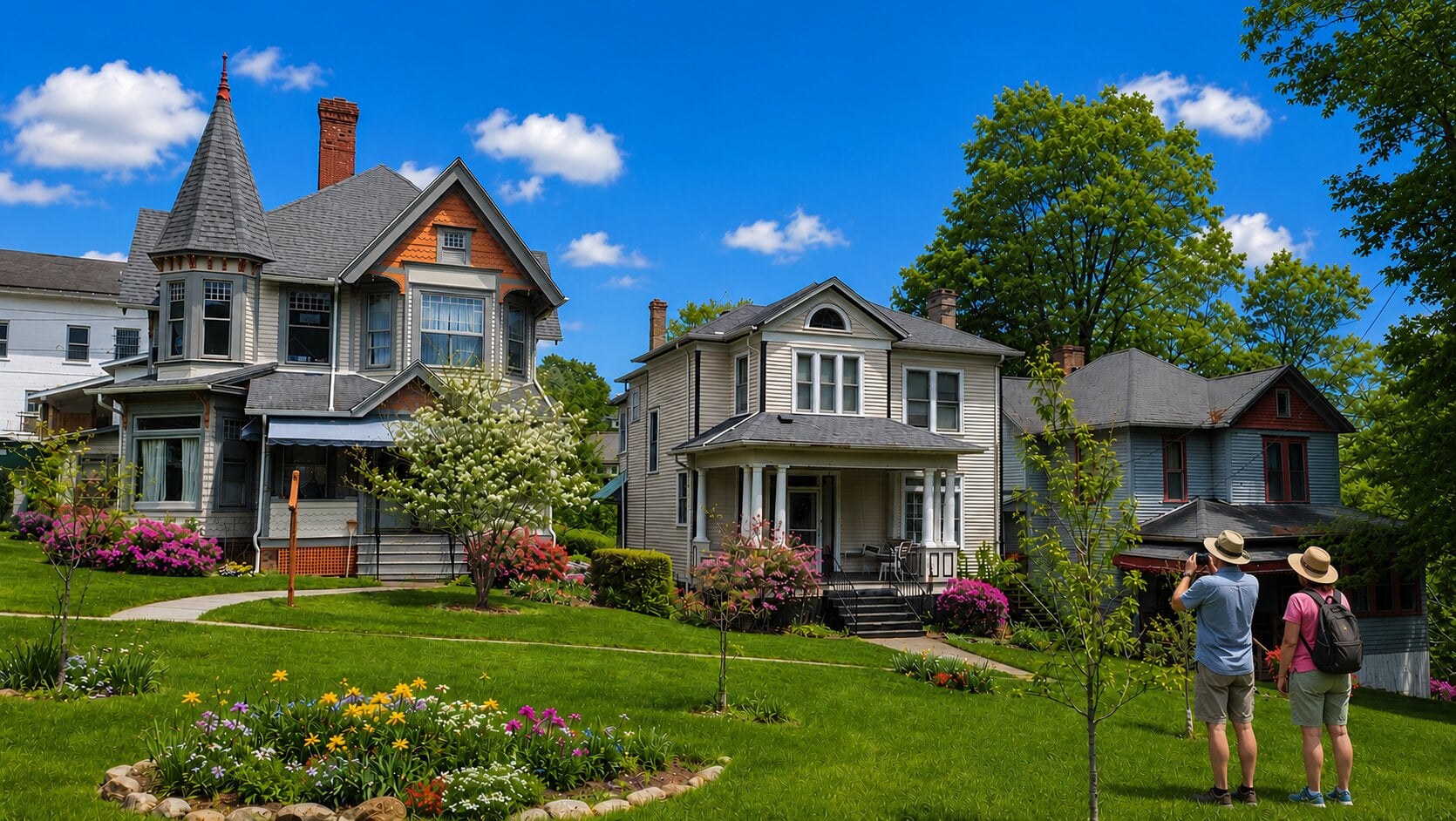
Berry believes the decision presents an opportunity for a broader conversation.
Rather than asking simply how many historic buildings can be saved, he believes Congress, the Department of the Interior, the State of West Virginia, local governments, preservation organizations, universities, and private investors should ask how America’s historic public landscapes can once again become places of innovation, entrepreneurship, education, and community renewal.
“The goal isn’t simply to preserve old buildings,” Berry said. “It’s to preserve the living story of the New River Gorge while creating opportunities for future generations.”
If that vision succeeds, the New River Gorge could become more than one of America’s newest national parks. It could become the place where the nation discovers that preserving history and building a modern outdoor economy are not competing priorities but complementary ones.
I think restore, the community!
I dearly hope this comes to pass, I would think it tragic to destroy any of these historic buildings and it would be amazing to create retail and dining spaces in these historic buildings.
I agree that it needs to become more of a destination for everyone. It has so much to offer and it needs to be done. Save our heritage.
I have long hoped for a vision such as this to be more than my own!! How can citizens help to bring this to pass or support the effort to save our parks and our heritage!? That’s truly what WV has the best of to offer! Please wire an article of what can be done by citizens to help bring this to fruition! Thank you for this article and efforts of everyone
Wonderful idea-totally support!!
is it possible to buy a home in thurmond?any type of restorable property?
I love this idea and would be happy to volunteer. This part of the state needs an economic boost. I know the Dun Glen Hotel burned, but it would be nice to commemorate the longest consecutive running poker game in Thurmond. I was just at a conference of 100 Social Studies teachers from 50 states and many of them spoke of our beautiful state and had visited the Gorge and Hatfield & McCoy Trails. Rebuild it and they will come.
Yes! This is a fantastic idea and doable plan. It also syncs well with the story about investing in culture and the arts in Fayetteville, plus all of the other great work already going on in the region. There’s a natural synergy with the work by Larry Rowe and others at Malden as a part of a gateway between Charleston and the park. Also with the long legacy of work by the Coal Heritage Authority and the newer contributions of the Mine Wars Museum and others further south, plus everyone else in between. It’s a great time to think big! So much work to do, but many hands make the load light!
The slated for demo could all be moved to an area that could be visited Lon a historic-tourist area. Beckley WV did that with the Coal Mine. They now have a whole little coal town for people to visit and see how life was in a WV Coal town . Build instead of destroy.