
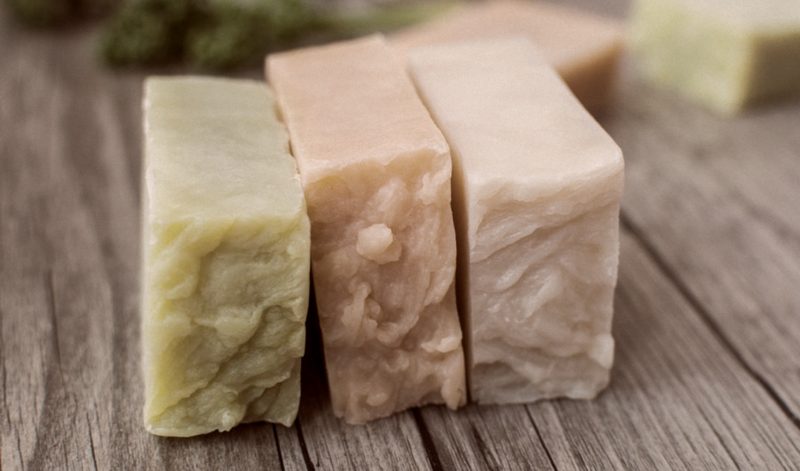
BECKLEY, W.Va. — Homemade soap was widely used in West Virginia before commercial products became available in the 20th century, and spring was ultimately soap-making time.
Soap was made with pork fat, beef tallow, or mutton fat, and lye—ingredients that were generally available in good measure by the end of winter.
After the autumn butchering season, the fat and tallow were easy to store through the winter, as low temperatures usually kept them frozen.
The lye could be purchased in the store, though it was usually homemade. To produce lye, families saved the wood ashes from their stoves and fireplaces for several months, often an entire winter.
When it was time to make lye, families placed the ashes in a crude trough or half-barrel set on a rock or stand and let water drip through them into a container. The liquid which dripped out was usually a strong enough lye solution for making soap.
When soap was needed, grease would be rendered from the fat and placed in a large pot, into which the lye solution was added. The proportions were about two pounds of grease to a gallon of lye.
They built a fire under the pot and let the mixture boil. It was stirred occasionally until it became very thick—the consistency of jelly. It was then poured into a crock or a wooden container and allowed to harden.
Some of the mixture might be poured into shallow pans, to be cut later into cakes for household use. The rest was left in larger containers to be used for washing dishes and clothes.

In some cases, herbs and flowers might be added—as they are now by makers of artisan soaps—but in the early days the matter was one of practicality, and little time was available for invention.
How to make butter at home—West Virginia style
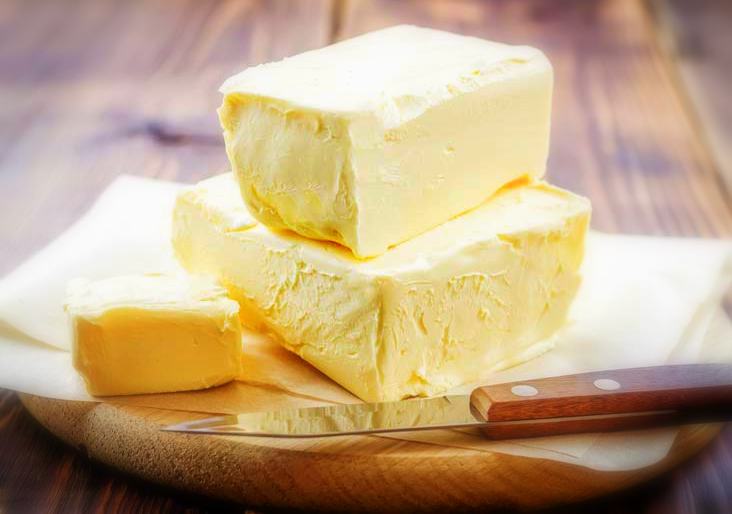
The process of making butter is older than civilization, and a wide variety of butter-making methods exist—from ghee in southern Asia to bog butter in northern Europe. But mountain folk in West Virginia had their own methods, surely not so different than others, though influenced by tradition and climate. Read the full story here.