
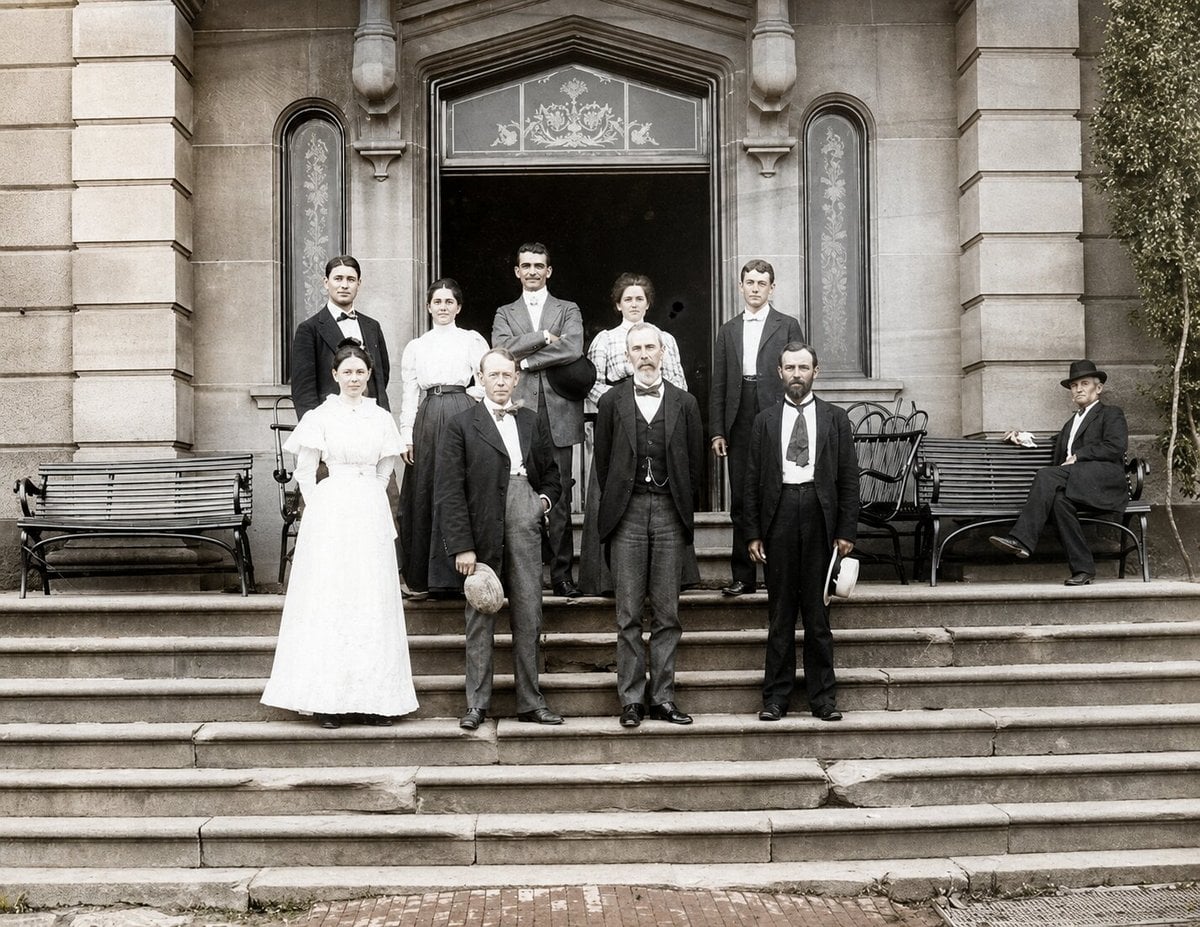
WESTON, W.Va. — In 1899, the directors of West Virginia’s hospital for the mentally ill concluded a highly publicized investigation into allegations of improper conduct by Superintendent W.E. Stathers, finding him not guilty after days of testimony from female employees and other witnesses.

The decision followed testimony about alleged unwanted advances, visits to women’s rooms, and a disputed railroad journey in which a woman was said to have traveled under the name “Maude Stathers.” Stathers denied the allegations, and witnesses testified both for and against his accusers.
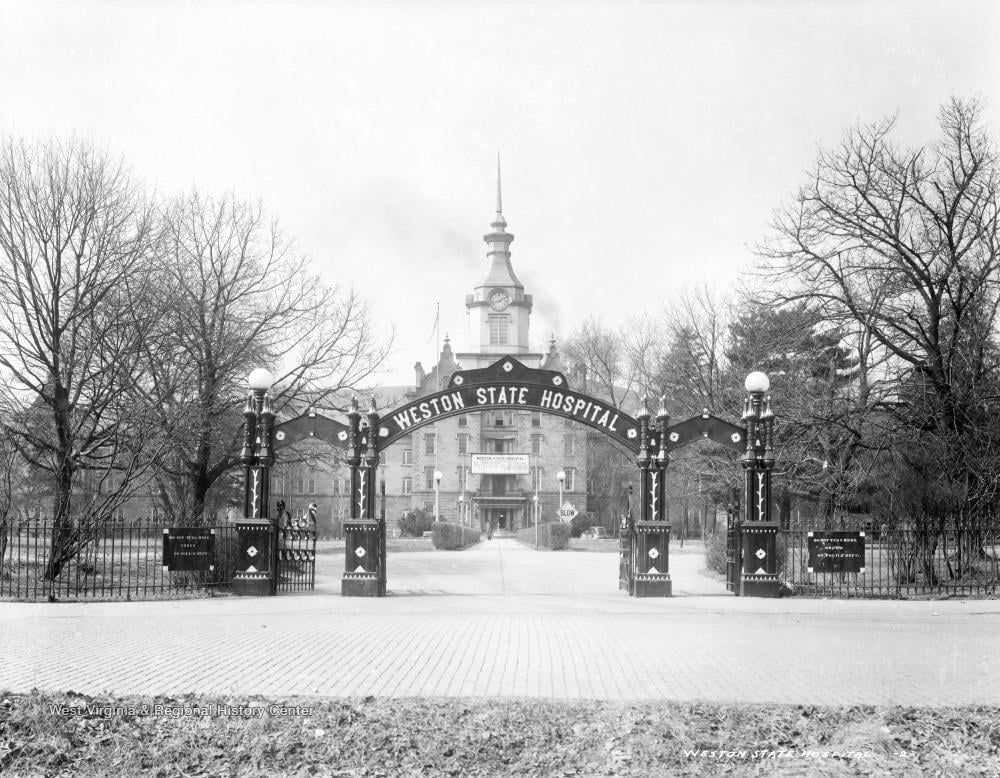
The decision nonetheless prompted accusations of a political “whitewash” and fueled controversy over Stathers’ continued leadership of the institution at Weston now known as the Trans-Allegheny Lunatic Asylum.
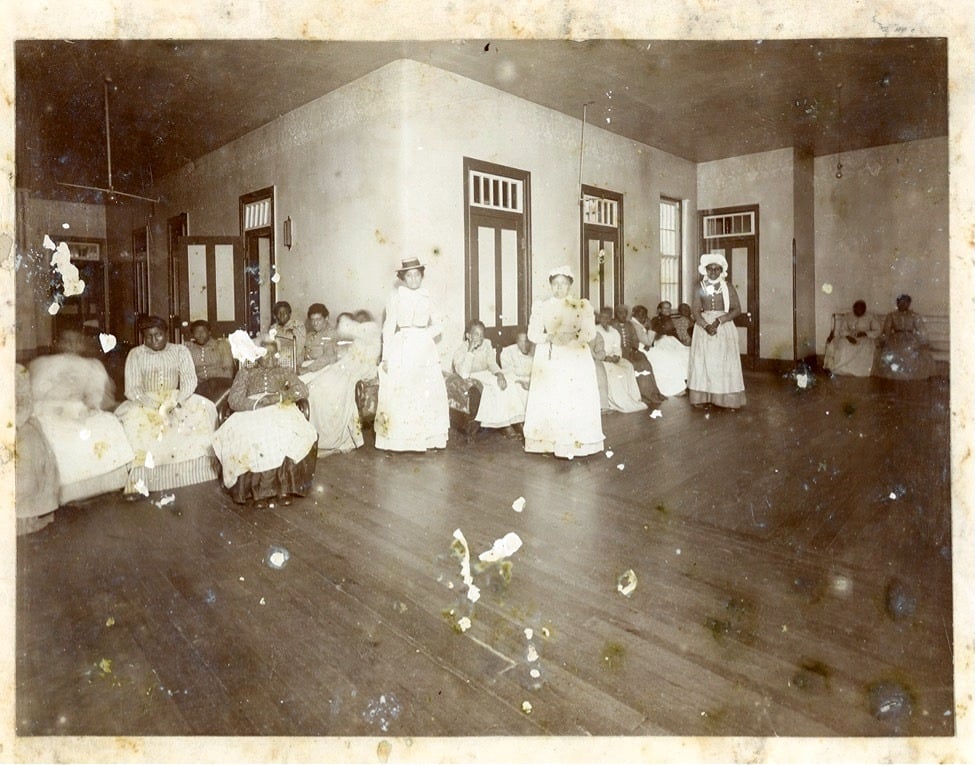
At the time, the institution was known as the West Virginia Hospital for the Insane and housed more than 1,200 patients with fewer than 200 employees, according to contemporary newspaper accounts. Its superintendent held one of the most consequential positions in West Virginia’s public institution system.
Former patient becomes a principal witness
Among the principal witnesses against Stathers was Mary L. Sommerville, whose history with the hospital began not as an employee but as a patient.
Sommerville had been admitted from Grafton about three years before the investigation. Contemporary reporting said she improved, was discharged, and later obtained employment at the hospital, where she was placed in charge of the storeroom.
During the August hearing, Sommerville testified that Stathers had come to her room and attempted on several occasions to persuade her to become his “pet.” Stathers later denied entering her room or making improper proposals.
Much of Sommerville’s cross-examination focused on her personal history and credibility. Private letters she had written to Morris Smith, a nephew of Stathers, were introduced during the proceedings. Contemporary reporting said the letters concerned an intimate relationship and included details of Sommerville’s marriage and personal life.
The letters were read before the board while Sommerville was present, according to the Weston Democrat, which described the examination in unusually sympathetic terms. Sommerville remained on the witness stand until Friday afternoon and eventually told those conducting the hearing that she was “very tired.”
Defense witnesses disputed her credibility. Several hospital employees testified that they would not believe Sommerville under oath, while others said she had previously spoken favorably of Stathers or suggested she had been influenced by people seeking his removal.
Other employees testify about Stathers
Other female employees also described encounters with the superintendent. Grace Bussey testified that Stathers had gained her confidence by telling her he was a Mason and that, because her father was also a Mason, he felt an obligation to act as a father toward her. She alleged that Stathers later suggested she accompany him on a trip and said there would be no harm if it was not discovered.
Bussey acknowledged that part of an earlier affidavit she had given was incorrect and said she had been pressured to make it. She said she had remained at the hospital after the alleged encounter because she was poor and needed the employment, and she eventually resigned.
Alice Custer, another employee, testified that Stathers had complimented her appearance and, at one point, put his arm around her.
Alfaretta Wilson testified that Stathers entered her room after she had retired on the night of April 30. According to the contemporary account, Wilson said he extinguished the electric light, sat on her bed, and attempted to embrace and kiss her. She testified that Stathers told her he meant no harm and that she would lose nothing by becoming his “little pet.”
Wilson had already filed a $10,000 damages suit against Stathers by the time she testified. Records reviewed for this story do not establish how the lawsuit was resolved.
Disputed trip raises questions
Testimony about Harriet Green, a former hospital employee, centered on a trip Stathers took to St. Louis in May 1898.
A hotel porter testified that Green was in Grafton on May 5 and that he took her to nearby Pruntytown to visit an inmate at the state reform school. He said she returned the following day and that he carried a note from her to someone at Grafton’s Central Hotel.
According to contemporary reporting, a Grafton ticket agent testified that he saw Stathers and Green at the railroad station on May 6. Stathers purchased Pullman accommodations for St. Louis, and a mileage book was sold to a woman using the name “Maude Stathers.”
The name became an issue during the investigation. Dr. Mark Perry, an assistant physician at the hospital, testified that Stathers’ wife was named Virginia and that no one named Maude Stathers was at the institution. Perry and another physician also testified that Green was absent from the hospital when Stathers traveled to St. Louis.
Green denied accompanying Stathers. She testified that she had been in Grafton but had traveled from there to Washington with her sister. She denied buying the mileage book, using the name Maude Stathers, or traveling to St. Louis with the superintendent. Green also testified that Stathers had always treated her appropriately and that no improper conduct had occurred between them.
Green and her sister were questioned extensively about Washington, including buildings, parks, monuments, museums, and other places they said they had visited. The questioning was intended to test their account of the trip.
Physicians and employees offer conflicting testimony
The investigation included testimony from physicians and other hospital employees supporting opposing sides of the dispute.

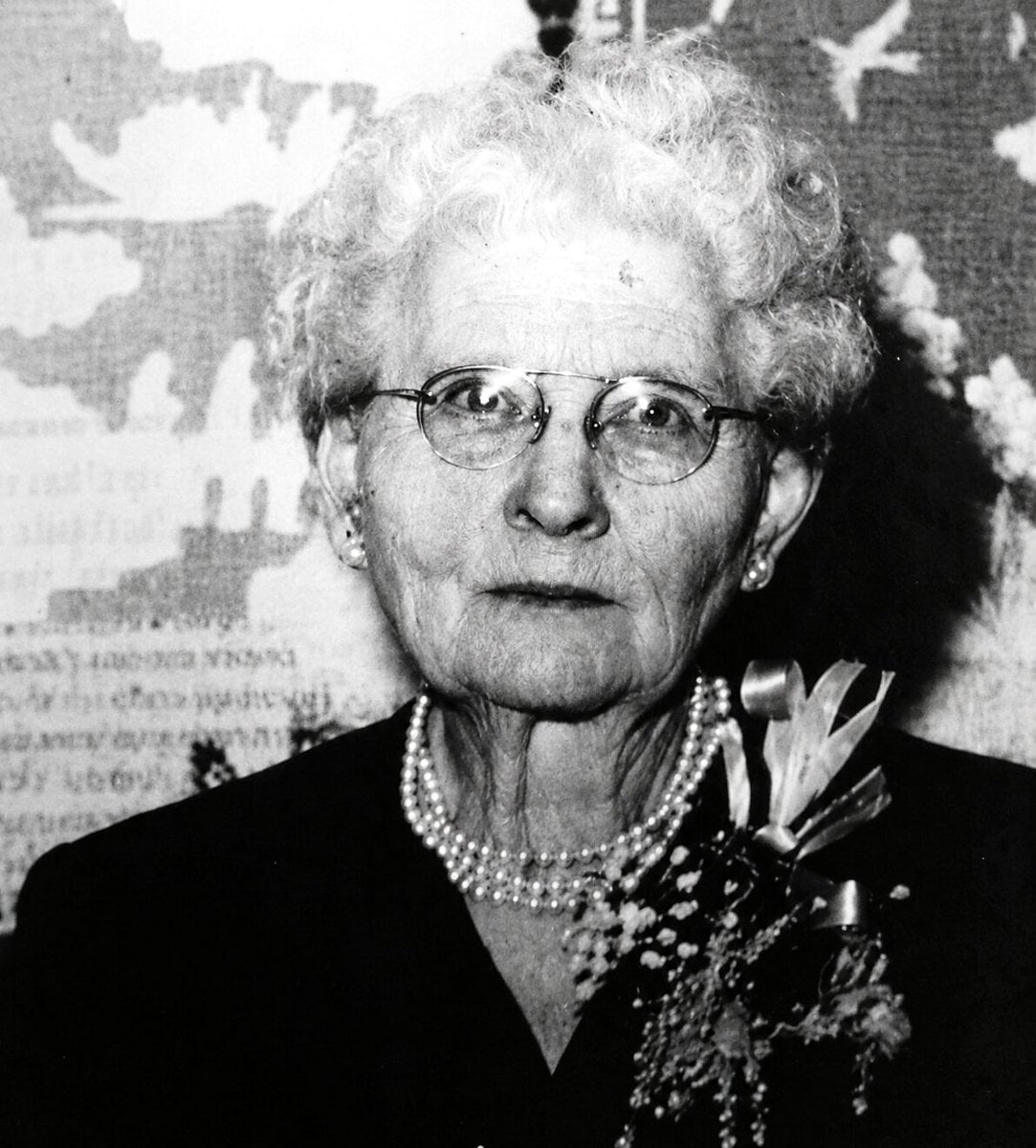
Dr. Lorilla F. Bullard, the hospital’s female physician, testified that she had treated Green after Green attempted suicide by taking an ounce of bromo-chloral. Bullard said she knew of no reason for the attempt but had heard rumors about Green and Stathers.
Bullard also corroborated Perry’s testimony that Green, while working as a night watch employee, frequently made reports in Stathers’ private office rather than in the general office used for such reports. The frequency of these visits drew comments from hospital employees.
Dr. George Snyder, a former assistant physician, offered another allegation. Snyder testified that during a trip to a political convention in Buckhannon, Stathers had made an improper statement to him about Sommerville and suggested that Snyder could facilitate a relationship with her.
Other hospital employees challenged Sommerville’s and Wilson’s character and credibility. Some testified that the women had poor reputations for truthfulness within the institution, although at least some acknowledged that their opinions were based on what they had heard from others.
The conflicting testimony unfolded against a backdrop of longstanding political divisions at the state hospital.
Politics surrounds the investigation
The West Virginia Hospital for the Insane was a major state institution whose jobs and leadership had long been affected by changes in political administration. Contemporary reporting described it as a frequent source of political disputes, particularly over employment and patronage.
The Weston Democrat noted that the 1899 investigation differed from earlier controversies because some of those pursuing the allegations belonged to Stathers’ own political party. His opponents said they were acting in the interests of party integrity and hospital reform.
Stathers and his supporters described the effort as a conspiracy motivated by political and personal interests. They accused his opponents of using intimidation and other improper methods to obtain employees’ affidavits.
Stathers took the witness stand during the final days of the hearing. He was 51 and had served as superintendent since June 1897.
He denied improper relations with Sommerville, Wilson, Bussey and Green. He denied traveling to St. Louis with Green and denied entering Sommerville’s room or asking her to become his “little pet.” He also testified that Sommerville had retracted earlier allegations and told him she had been frightened and influenced into making them.
Board finds Stathers not guilty
The board of directors met in executive session on Aug. 19 to consider the evidence. Attorneys and newspaper reporters were excluded, and directors disclosed little about their deliberations afterward.
The board’s formal order stated that, after considering the charges and evidence, it determined that the prosecution had failed to sustain the allegations and found Stathers not guilty.
Six directors supported the finding. Alex McVeigh Miller was the only member who did not vote for acquittal.
During its deliberations, the board also considered a prosecution request to subpoena O.C. Runge, superintendent of the St. Louis hospital for the insane. Prosecutors hoped Runge could determine whether Stathers had been accompanied by a woman in St. Louis and whether that woman was Green.
The board did not act on the request. Board President Meighen said both sides could be presumed to have presented the strongest cases available to them and that he did not believe the board was expected to seek additional evidence that might incriminate its superintendent.
Directors also divided over whether to postpone a decision until their October meeting. Three members favored additional time to review the evidence and allow absent directors to participate. The board instead proceeded with the vote. The board deferred supplemental charges for possible consideration at a later meeting.
Newspapers question the decision
The Wheeling Sunday Register reported the decision the following day under the headline “Board Says Not Guilty” and asked whether the result was a “just verdict or whitewash?”
Stathers’ supporters welcomed the decision, and contemporary accounts reported that he received congratulatory telegrams. His opponents maintained that the evidence warranted a finding against him and alleged that Republican Gov. George W. Atkinson had influenced the board.
The surviving material reviewed for this story does not independently establish that Atkinson directed the board’s decision. Stathers’ opponents made the allegation publicly, and newspapers covering the investigation reported it.
Local Republicans who had participated in the prosecution announced plans for a public “indignation meeting” in Weston following the decision. Available records reviewed for this story do not establish whether the meeting occurred.
Public and political pressure regarding Stathers’ position continued after the August hearing.
Board seeks Stathers’ resignation
A January 1900 account in the Weston Independent reported that when the board returned to the hospital the previous October, directors asked Stathers to resign amid continued criticism of their August decision.
According to the newspaper, Stathers initially refused. Directors then threatened to remove him, and he submitted a resignation that the board accepted. However, the resignation did not immediately end his tenure, and he continued to serve while directors struggled to choose a successor.
At the board’s January 1900 meeting, votes for superintendent were split among several candidates. Dr. A.H. Kunst of Weston received two votes, and Stathers also received two. Other candidates received one vote each.
The board voted 5-4 to postpone selecting a new superintendent until its April meeting, leaving Stathers in charge. The Independent, which was sharply critical of him, listed his candidacy as “Dr. W.E. Stathers, of the Pullman Sleeping Car,” a reference to the disputed St. Louis trip.
The episode remained part of the hospital’s political affairs into the following year.
New asylum board chooses a successor
A newly constituted board met in June 1901 under Gov. Albert B. White and unanimously elected Kunst superintendent.
The Weston Democrat reported that Kunst’s term would begin July 1, when Stathers would retire. Several other hospital positions were filled or retained during the reorganization, and the new superintendent was given expanded authority to appoint and dismiss subordinate employees.
Stathers’ departure came nearly two years after the board had formally cleared him of the allegations from the August 1899 investigation.
The sandstone hospital where the hearings occurred remains one of West Virginia’s most recognizable historic buildings. Now known as the Trans-Allegheny Lunatic Asylum, the national historic landmark is widely associated today with psychiatric history, its Kirkbride-plan architecture, and paranormal tourism.
The 1899 investigation documents a less familiar period in its history, when allegations by female employees, conflicting witness testimony, and political divisions over the superintendent sparked a statewide public controversy. The board’s Aug. 19 decision resolved the formal charges against Stathers, but debate over his continued leadership persisted until a new superintendent was selected in 1901.
This well-written story makes me sad as it reflects the status of women as a vulnerable, and often disbelieved, element of society in those years of our history. I appreciate the thoroughness and research that went into this historical article!
Sadly, not much has changed since “those years of our history.”
Just like today, people in the 19th century apparently determined the innocence or guilt of the accused based on political bias rather than the actual evidence.
In the story, it was local Republicans who pushed for Strathers’ prosecution (the story doesn’t say, but I’m guessing Strathers was a Democrat).
In modern times, people continue to judge allegations of sexual misconduct against men like Clinton, Trump, and others based solely on the political party of the accused.
Great article. Thanks for sharing.
127 years ago, but it still reads like current events.