
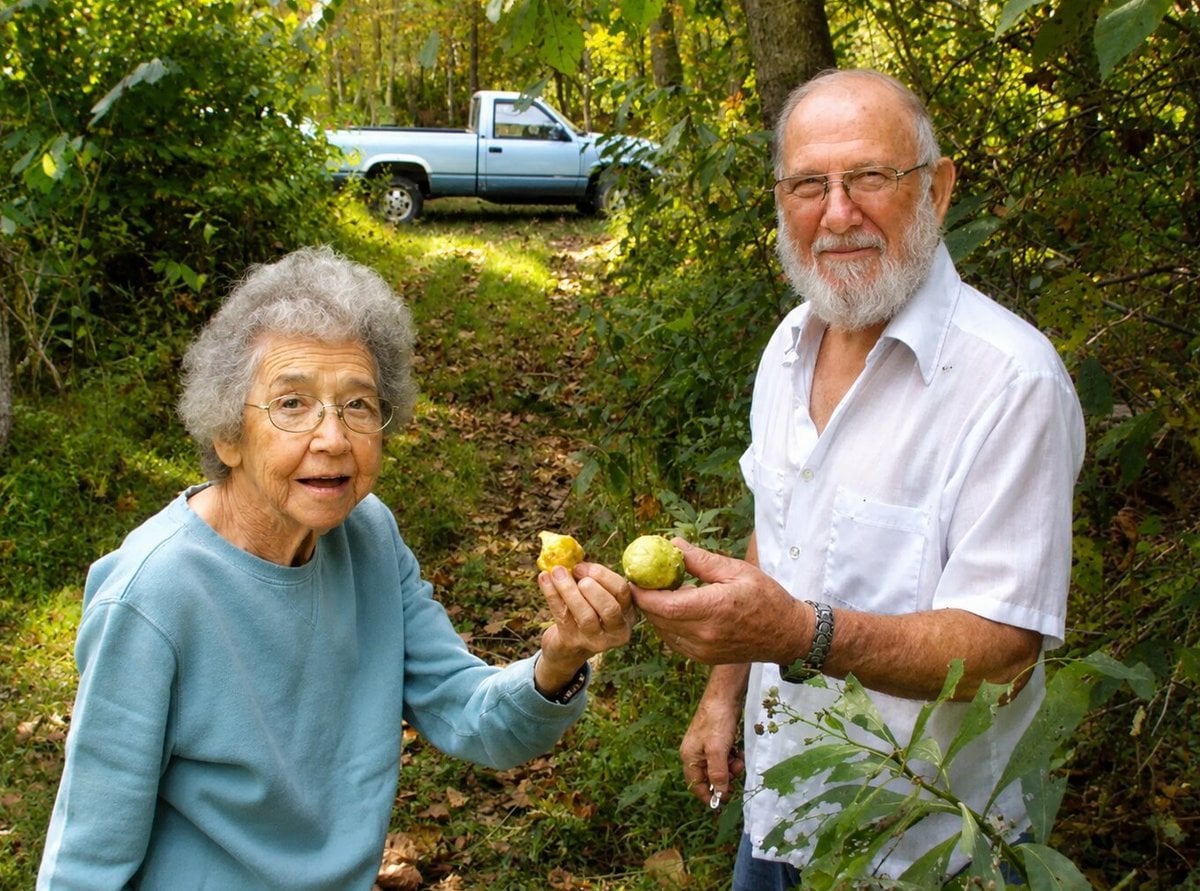
PAW PAW, W.Va. — Every autumn, a remarkable fruit ripens quietly beneath the forests of Appalachia. It has a creamy texture, a flavor often compared to banana, mango, and vanilla, and a history stretching back thousands of years. Yet many Americans have never tasted one.
In the tiny Morgan County community of Paw Paw (410 residents), however, the fruit has become the centerpiece of a celebration that’s putting the town on the map.
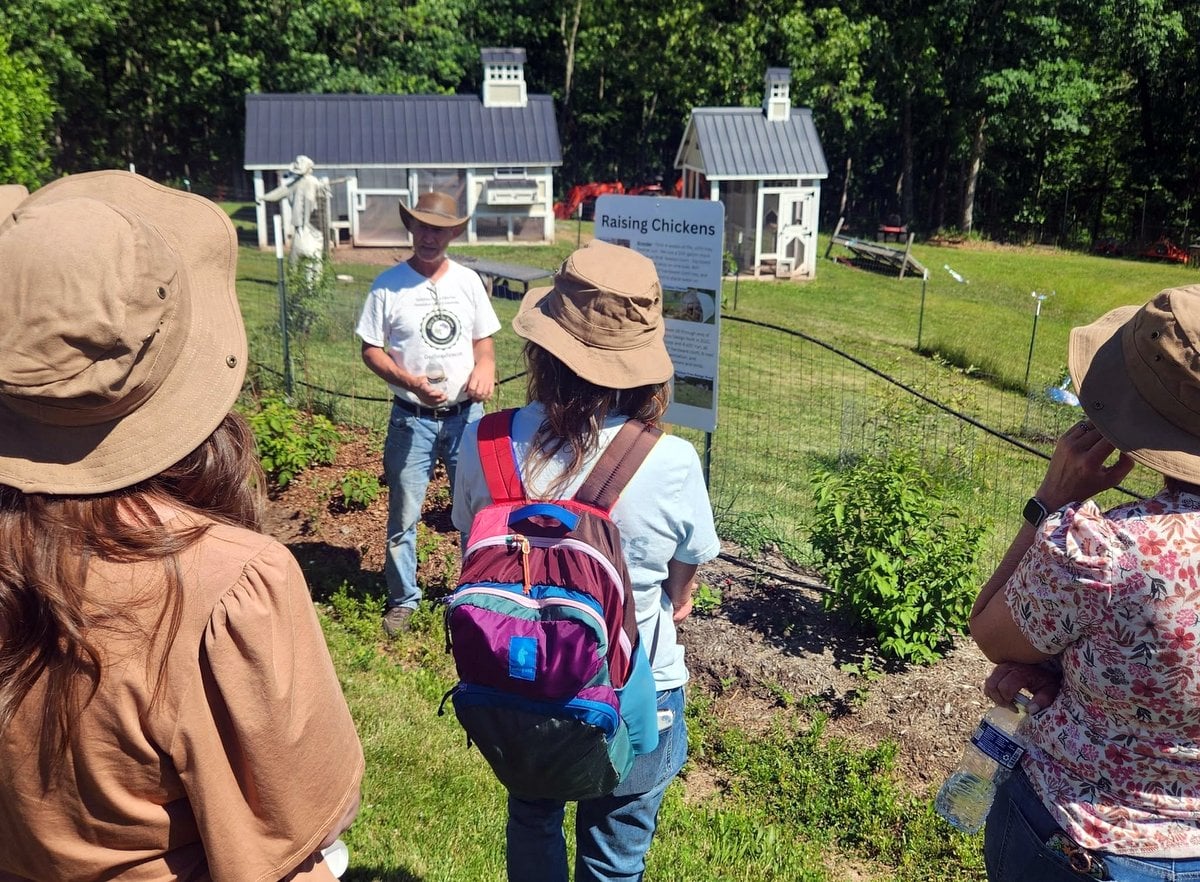
The third annual Pawpaw Festival returns Sept. 12, transforming the canal town into a gathering place for fruit lovers, gardeners, historians, musicians, and curious travelers eager to discover one of North America’s best-kept culinary secrets.
For years, residents heard the same question from visitors. Organizer Emma Kesner recalled people asking local greenhouse owner Maria Gloyd, “Wouldn’t it be cool if Paw Paw had a pawpaw festival?”
Eventually, Gloyd decided someone needed to make it happen.
“So she got tired of everybody asking,” Kesner said. “‘Can we do this?’ So we made it happen.”
What began as one resident’s dream has grown into one of West Virginia’s most distinctive heritage festivals, celebrating both a unique Appalachian fruit and the community that proudly shares its name.
More visitors than anyone expected
When volunteers organized the first festival in 2024, expectations were modest. “We figured the town would show up; it’d give the kids something to do,” Kesner said.

Instead, visitors arrived from across the region. “Then half the country showed up, which was pretty cool.”
Attendance estimates for the inaugural festival topped 1,000—a remarkable turnout for a community of only a few hundred residents.
Even more remarkable is that the event is organized by a core group of about six volunteers. “We do pretty well until the day of,” Kesner said. “It’s hectic.”
This year, organizers have recruited additional volunteers to help with parking, food service, and one of the festival’s most popular attractions: sampling fresh pawpaws.
What exactly is a pawpaw?
Although unfamiliar to many Americans, the pawpaw (Asimina triloba) is the largest edible fruit native to North America.
Long before European settlement, Indigenous peoples gathered pawpaws throughout the eastern forests. Early explorers, including George Washington and members of the Lewis and Clark Expedition, also wrote about eating the fruit.
Pawpaws grow naturally from southern Ontario to northern Florida and west to the Mississippi Valley, thriving in the rich woodlands of West Virginia, where they often form dense patches along streams and shaded hillsides.
Their soft flesh has earned comparisons to tropical fruits such as banana, mango, and pineapple, even though the tree is entirely native to eastern North America.
Because ripe pawpaws bruise easily and stay fresh for only a few days, they rarely appear in supermarkets. Instead, they have developed an almost mythical reputation among foragers, gardeners, and chefs who eagerly await their brief harvest each September.
For many visitors to the festival, it will be their very first taste.
The fruit remains the star
While the festival now features music, vendors, children’s activities, and educational programs, Kesner says the fruit itself still draws the biggest crowds.
“Everybody just wants the actual pawpaws,” she said.
Visitors can purchase fresh fruit and reserve tasting sessions featuring several pawpaw varieties.
The demand has surprised organizers from the start. “The first year there were people in line for hours,” Kesner said.
Learning from those early crowds, volunteers have redesigned this year’s sampling program with scheduled tasting times in the Paw Paw School cafeteria, allowing visitors to spend less time waiting and more time enjoying the festival.
Fresh fruit is picked shortly before the event and carefully refrigerated overnight to preserve its delicate flavor.
Learning from the nation’s experts
One reason the festival has quickly gained attention beyond West Virginia is its educational program.
This year’s guest speakers include nationally recognized pawpaw breeder Rodney Dever, agroecology author Michael Judd, native fruit specialist Todd McCree, architect and preservation advocate David Abruzzi, agroforestry educator Greg Sherbert and foraging instructor Osier Blackthumb.
Their presentations cover topics ranging from growing healthier pawpaw trees and preserving native edible plants to regenerative agriculture, forest ecology and the history of the Paw Paw community.
Visitors can also join question-and-answer sessions, plant walks and workshops focused on sustainable gardening and Appalachian food traditions.
This combination gives newcomers not only the chance to taste the fruit but also to understand why it has become one of the region’s most treasured native plants.

Handmade, homegrown and distinctly Appalachian
Unlike many large festivals, organizers intentionally emphasize local craftsmanship and authentic Appalachian culture.
Vendor spaces are reserved primarily for handmade goods and for local artists and businesses whose products reflect the festival’s theme.
“We only open it to handmade,” Kesner said, noting that vendors frequently create pawpaw-inspired artwork, clothing, decorations, and gifts especially for the event.
Food vendors also embrace the festival’s signature ingredient with creative recipes that showcase the fruit in desserts, baked goods, and other seasonal specialties.
A town worth discovering
For many visitors, the festival serves as an introduction not only to the pawpaw but also to the town itself.
Paw Paw sits along the historic canal corridor near the famous Paw Paw Tunnel, surrounded by forested ridges, winding rivers and dramatic mountain scenery that have long defined the eastern edge of West Virginia.
Its quiet streets, historic character and welcoming atmosphere offer the kind of small-town experience many travelers increasingly seek.
The festival gives residents the opportunity to share that hospitality while introducing visitors to local history, architecture and the natural beauty of the Potomac Highlands.
For travelers from the Mid-Atlantic, Paw Paw is closer than many may realize. The town is about a 2½-hour drive from Washington, D.C., Pittsburgh and Harrisburg, roughly three hours from Baltimore, and within an hour of Martinsburg, Cumberland and Hagerstown, making it an easy day trip or weekend getaway for thousands of visitors across the region.
Growing community one pawpaw at a time
Organizers say the event’s greatest success can’t be measured by attendance alone. The festival has become a source of hometown pride, bringing together neighbors, volunteers, growers, and visitors around something uniquely Appalachian.
Its mission, organizers say, is “to celebrate the heritage of the pawpaw fruit, support local makers and growers, and cultivate meaningful connections that grow community spirit—one pawpaw at a time.”
That spirit is perhaps best reflected in the festival’s origin story. It wasn’t created by a tourism agency or a major sponsor. It began when one resident decided the town named Paw Paw deserved a festival celebrating the fruit that made its name famous.
Three years later, visitors are discovering both. For travelers looking beyond the familiar autumn festivals, the West Virginia Pawpaw Festival offers something increasingly rare—an authentic hometown celebration where visitors can taste a fruit they may never have encountered before, meet the people who grow it, and experience a corner of Appalachia that remains proudly, unmistakably itself.
I’d love to be there. ❤️
I think children in small groups singing “Where 0 where O where is Susie 3x’s way down yonder in the paw paw patch. (picking up paw paws and putting them in a basket ) 3x’s, way down yonder in the paw paw patch.
It is amazing how many folks in Paw Paw have never heard this song . We were singing this song
down in Logan county When l was in grade school (not elementary)
I’d love to try a paw paw again, the last time I tried one I was in the 2nd grade at Nellis Elementary School in Boone County. I loved it but never got the chance to eat another
One interesting fact about this is that beautiful zebra swallowtail butterflies lay their eggs only on pawpaw leaves!
Trying my first one this year